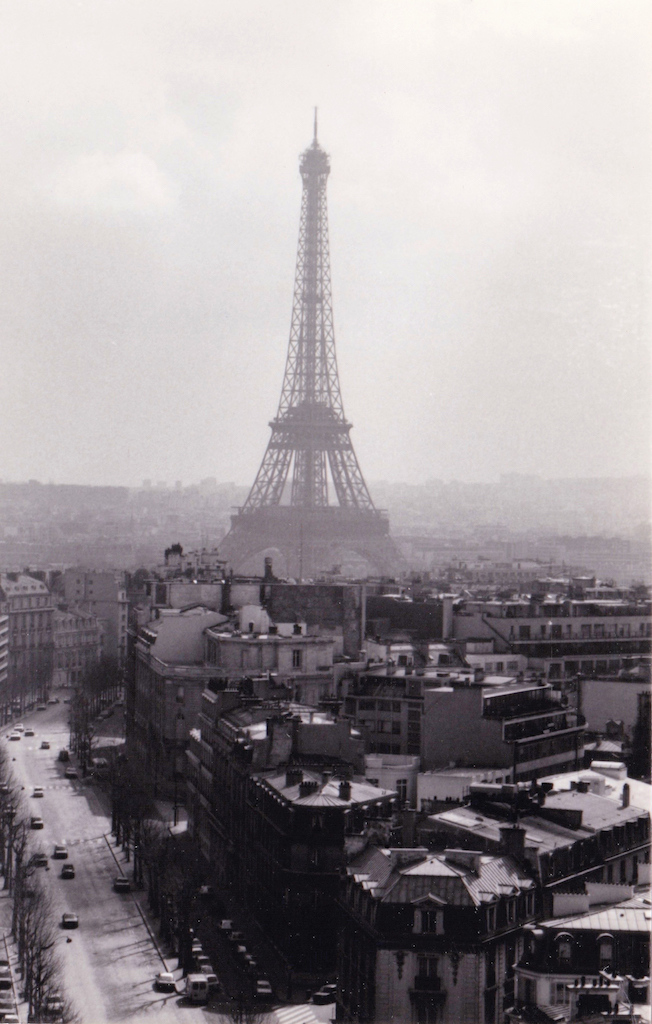
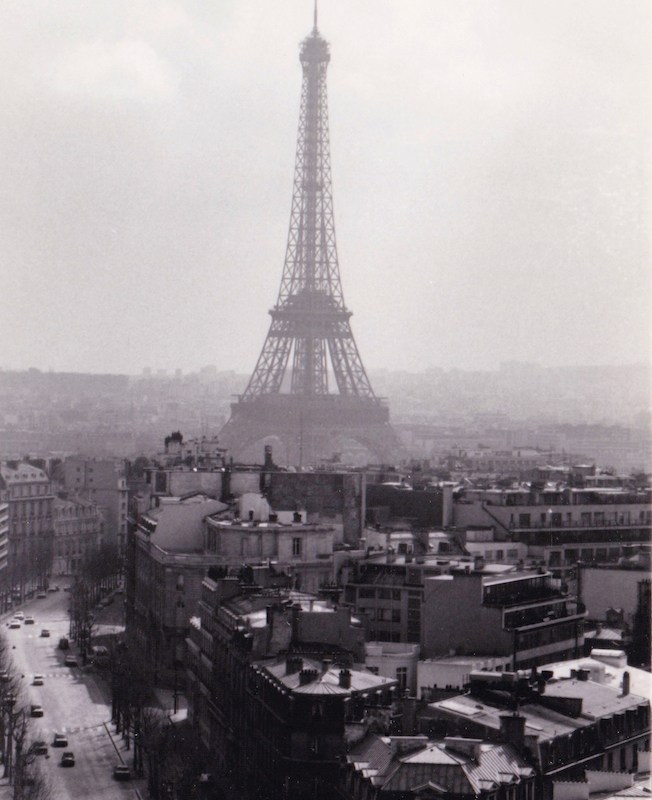
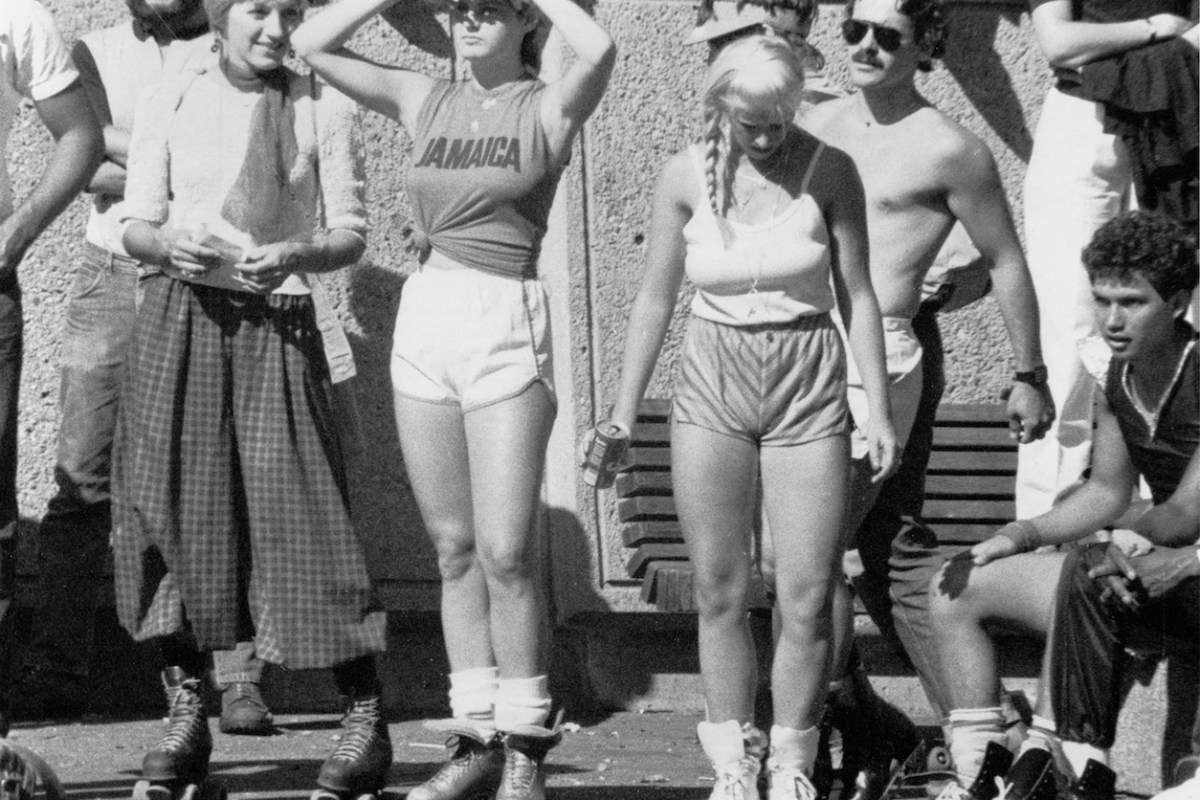
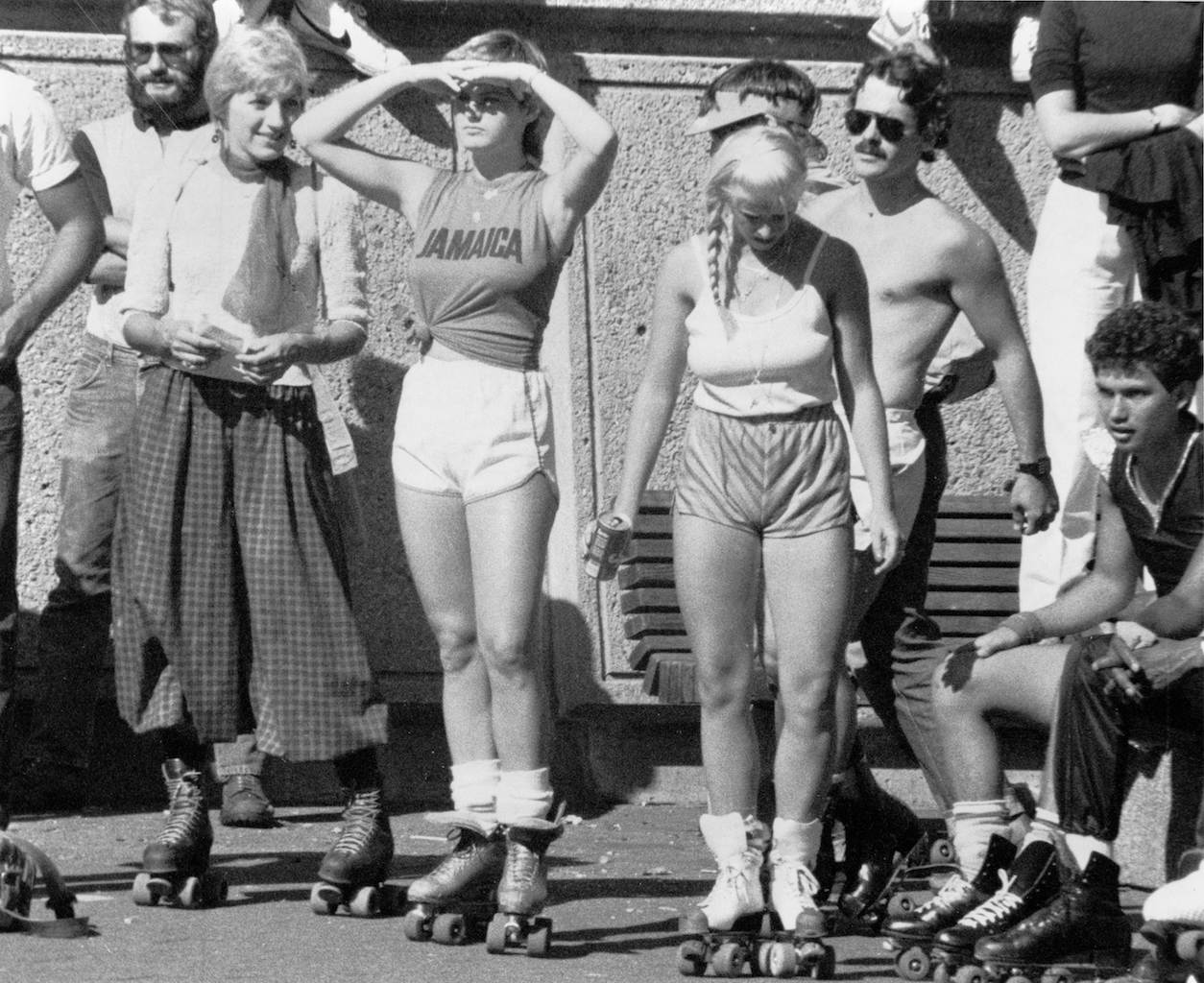
Exposure bracketing is a simple technique professional photographers use to ensure they properly expose their pictures, especially in challenging lighting situations. When you expose for a scene, your camera’s light meter will select an aperture / shutter speed combination that it believes will give a properly exposed picture. Exposure bracketing means that you take two more pictures: one slightly under-exposed (usually by dialing in a negative exposure compensation, say -1/3EV), and the second one slightly over-exposed (usually by dialing in a positive exposure compensation, say +1/3EV), again according to your camera’s light meter.
For my tests, I chose a familiar subject, Mother Brook and added some shots of the dam at Stone Mill.
https://realrealityproductions.wordpress.com/2013/03/05/stone-mill-mother-brook-dedham-ma/
I chose an auto exposure bracketing setting of 2/3, which produces an image of normal(0)EV, +2/3(+.7)EV and -2/3(-.7) EV. All these images are jpgs and have been shot large. I also shoot raw. I’m looking for a certain balance of grays and a deeper black from my black and white images. lb
Note: One thing that I never really thought about, with respect to auto exposure bracketing is how the images are shot by the camera (i.e. were three separates images with three different exposure settings produced or did the camera use the same image and somehow produce different exposure settings with the data from the one image, three times?). The camera produces three separate images which are three different moments in time. The image differences are indistinguishable in a static scene but not in a scene with movement. You can see this with the snowflakes in the second series of shots.
Example #1
It was a clear, sunny day. This set of three images below is a good example of what you can expect in good light from the Xpro1 when bracketing is set as mentioned above.
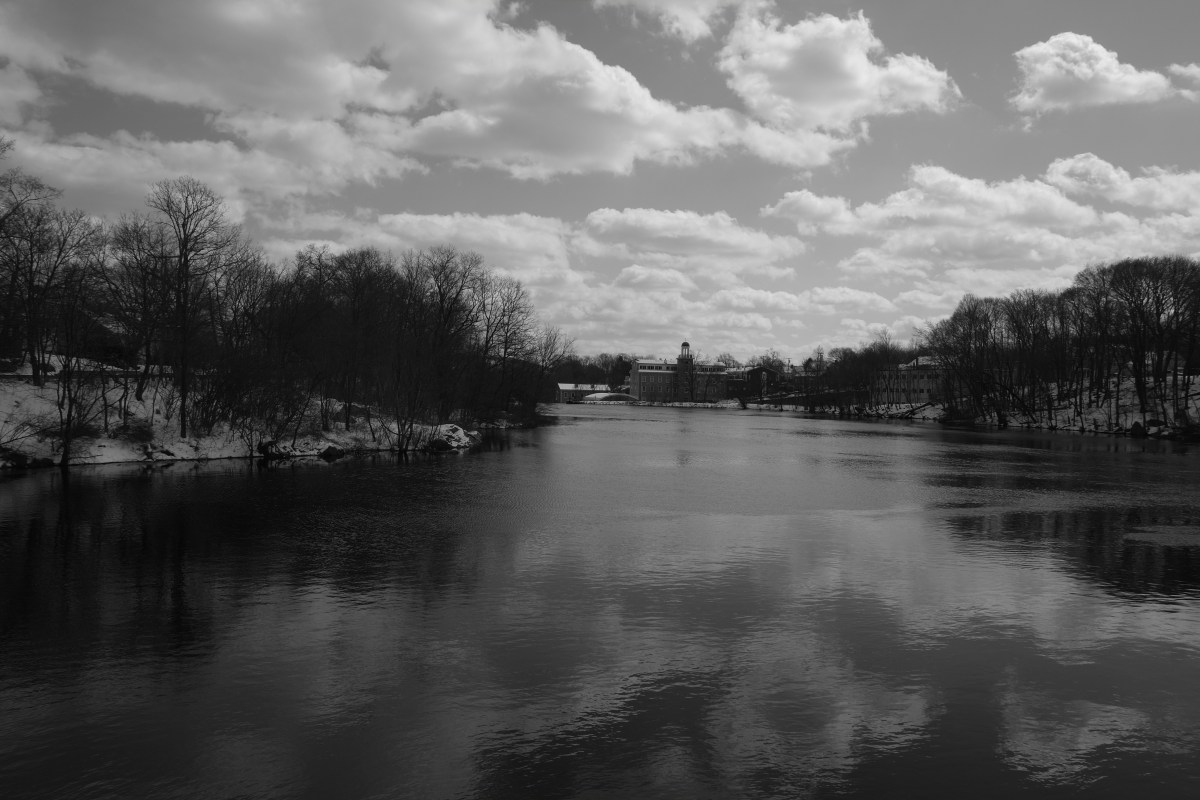 Fuji XPro1 18mm(27mm equiv.) f/13 @ 1/420s 0EV
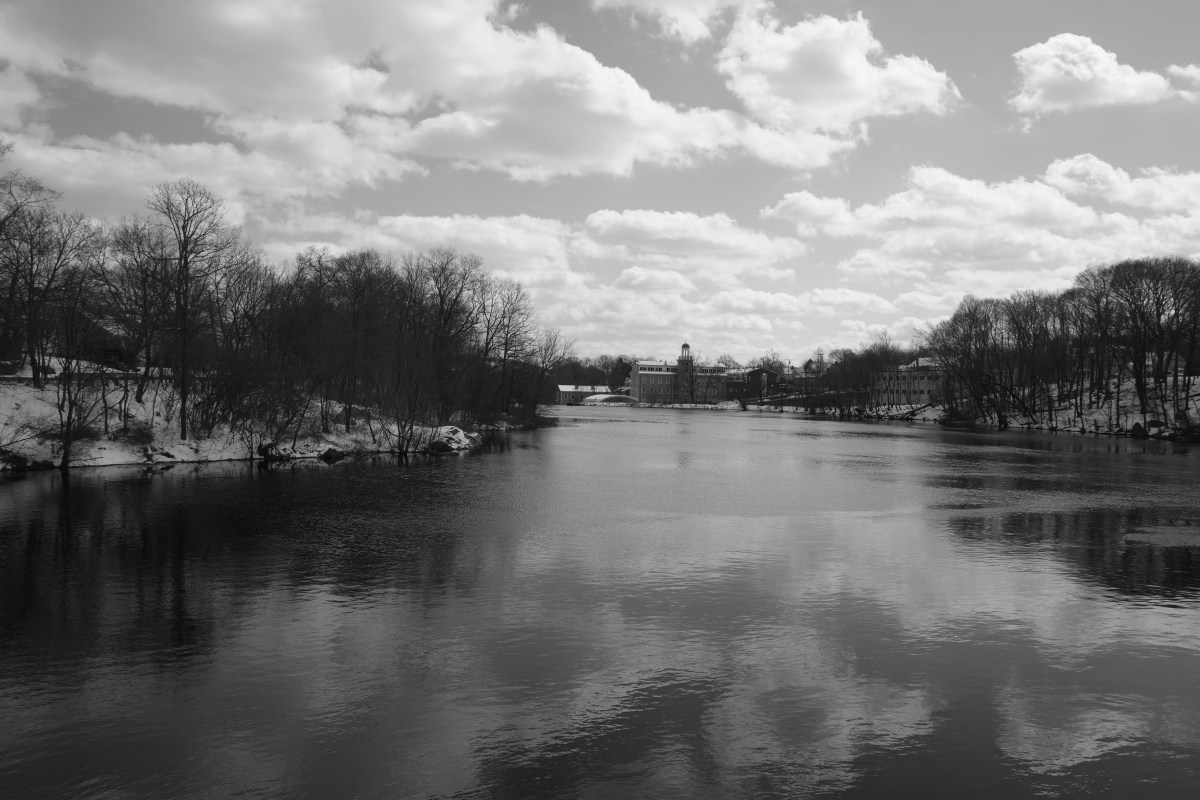 Fuji XPro1 18mm(27mm equiv.) f/10 @ 1/420s +0.7EV
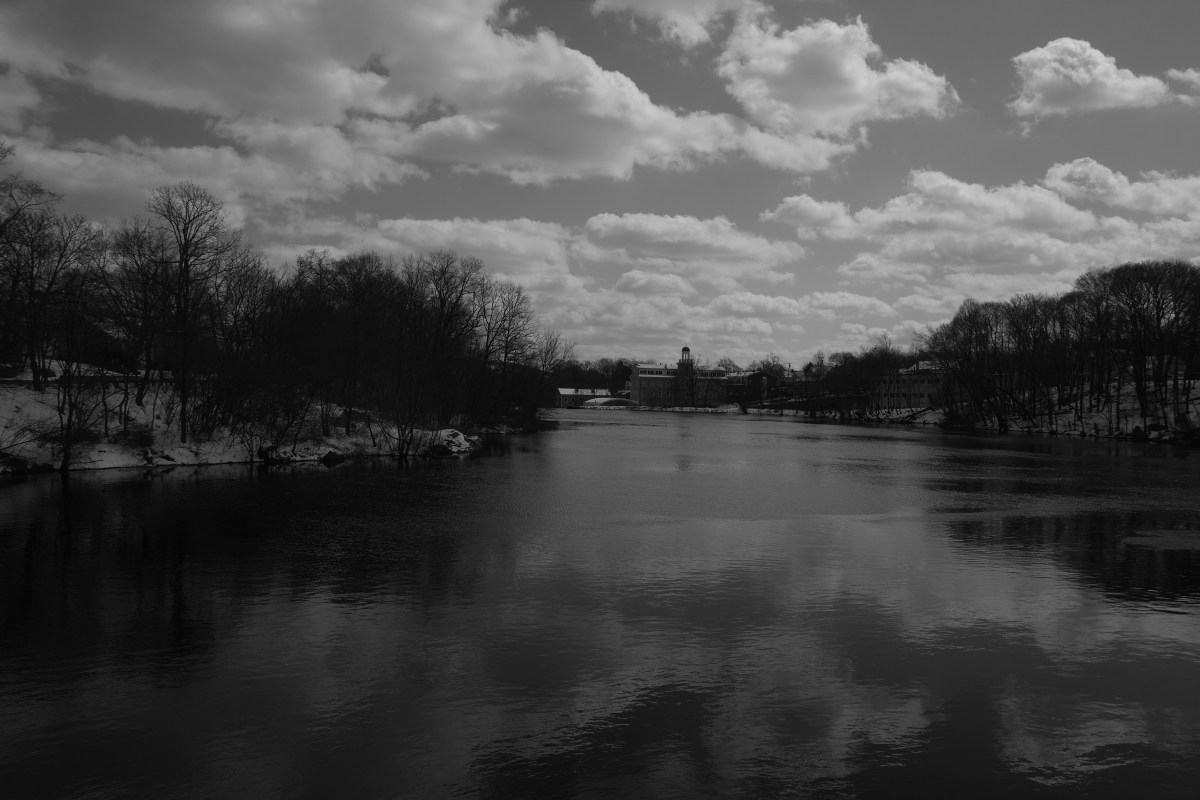 Fuji XPro1 18mm(27mm equiv.) f/16 @ 1/420s -0.7EV
Example #2
It was a gray, snowy day for this set of three images.
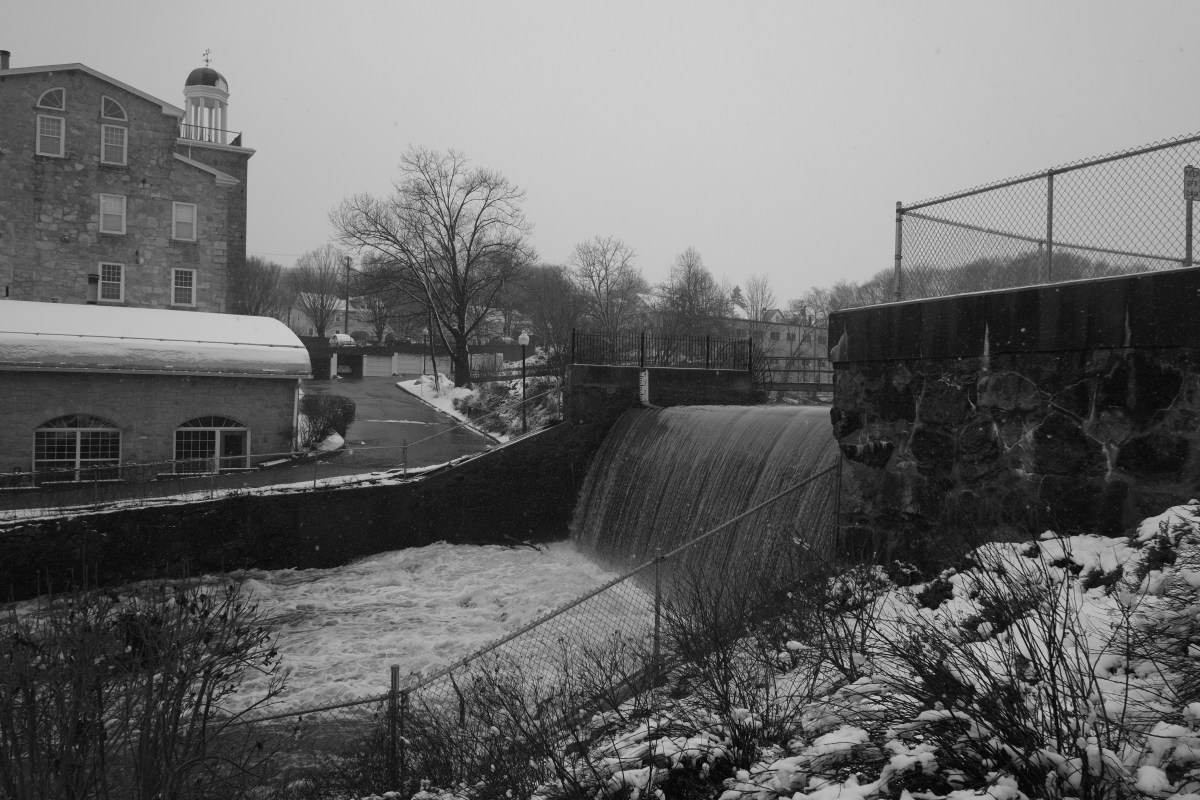 Fuji XPro1 18mm(27mm equiv.) 0EV
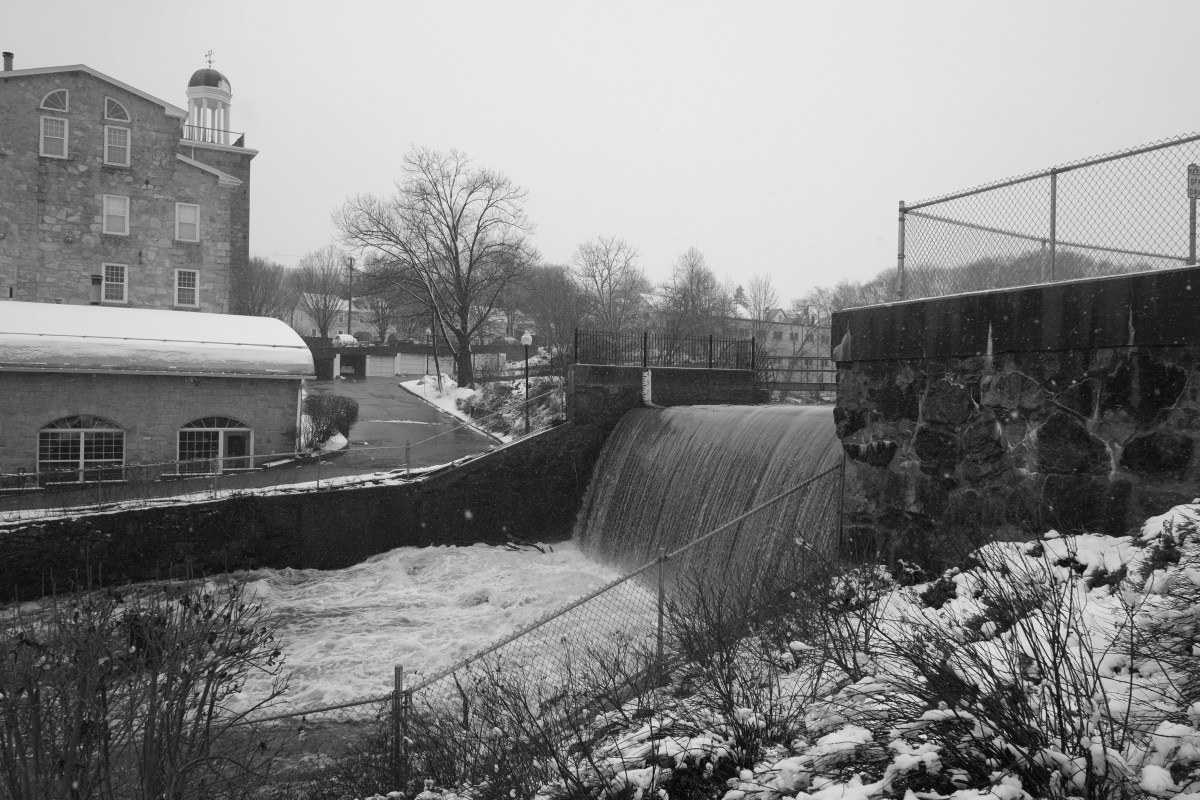 Fuji XPro1 18mm(27mm equiv.) +.7EV
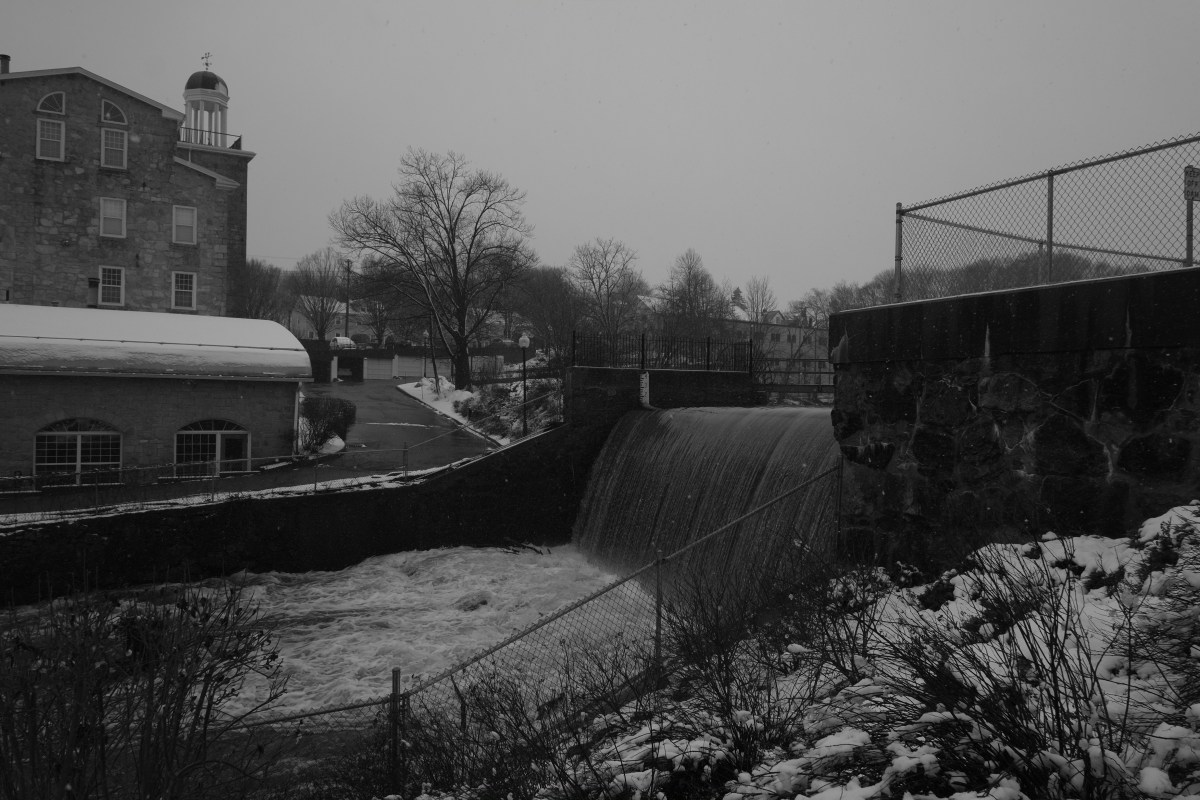 Fuji XPro1 18mm(27mm equiv.) -.7EV
More images to come from the mill complex and dam.
All rights reserved © 2018 Leo F. Brady
just change… ;-)
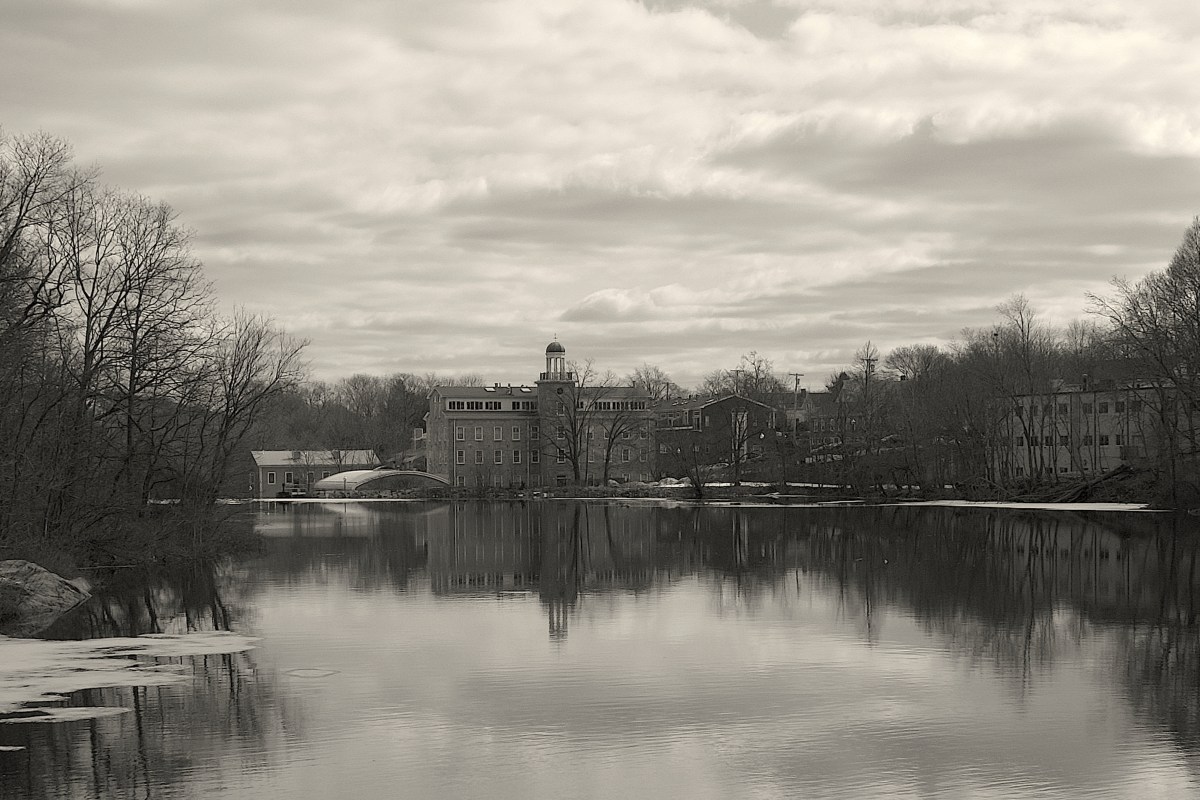
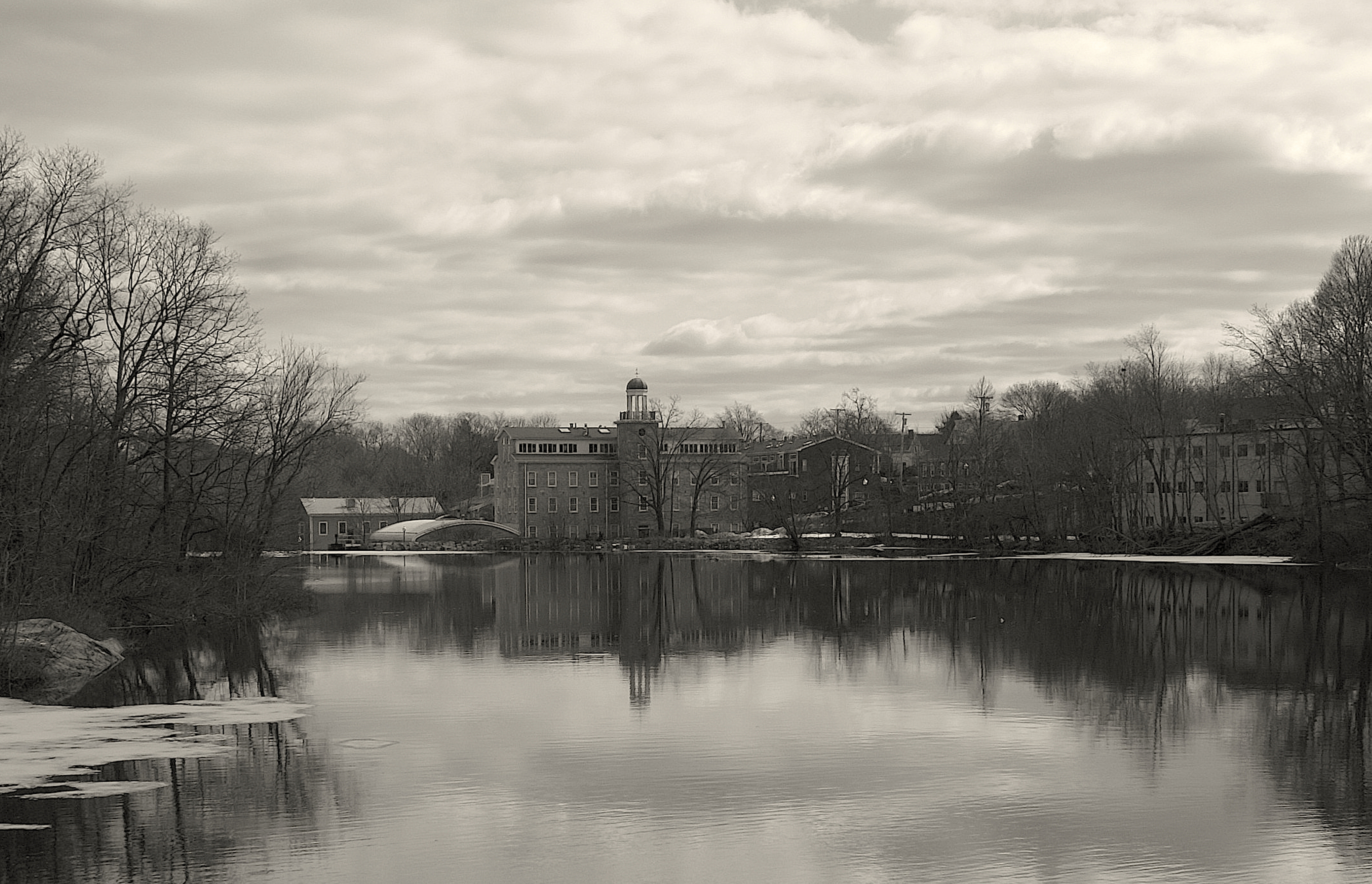
The Fourth Privilege – Stone Mill and Dam at Mother Brook, Dedham, MA.
The Fourth Privilege is the fourth mill and damn built on Mother Brook. It’s fed by the Charles River. The Mill is now condominiums. You can’t see the damn from this angle but it’s on the left.
More Info:
http://www.waymarking.com/waymarks/WMDRPB_1639_History_of_Mother_Brook_2009_Dedham_MA
https://en.wikipedia.org/wiki/Mother_Brook#Fourth_privilege_2
A Winter’s Lament
This is a short time-lapse video, filmed over a 4 day period in 1080/30.
Running Time: 2:21
Sound and Vision: Leo Brady
realreality productions – realrealityproductions.com
Exposure bracketing is a simple technique professional photographers use to ensure they properly expose their pictures, especially in challenging lighting situations. When you expose for a scene, your camera’s light meter will select an aperture / shutter speed combination that it believes will give a properly exposed picture. Exposure bracketing means that you take two more pictures: one slightly under-exposed (usually by dialing in a negative exposure compensation, say -1/3EV), and the second one slightly over-exposed (usually by dialing in a positive exposure compensation, say +1/3EV), again according to your camera’s light meter.More at http://www.photoxels.com/tutorial_exposureBracketing.html
The above link is an excellent tutorial for those interested in learning more about and exploring the technique further.
For my tests, I chose a familiar subject, Mother Brook and added some shots of the dam at Stone Mill. https://realrealityproductions.wordpress.com/2013/03/05/stone-mill-mother-brook-dedham-ma/
I chose an auto exposure bracketing setting of 2/3, which produces an image of normal(0)EV, +2/3(+.7)EV and -2/3(-.7) EV. All these images are jpgs and have been shot large. I also shoot raw. I’m looking for a certain balance of grays and a deeper black from my black and white images. lb
Note: One thing that I never really thought about, with respect to auto exposure bracketing is how the images are shot by the camera (i.e. were three separates images with three different exposure settings produced or did the camera use the same image and somehow produce different exposure settings with the data from the one image, three times?). The camera produces three separate images which are three different moments in time. The image differences are indistinguishable in a static scene but not in a scene with movement. You can see this with the snowflakes in the second series of shots.
Example #1
It was a clear, sunny day. This set of three images below is a good example of what you can expect in good light from the Xpro1 when bracketing is set as mentioned above.
Fuji XPro1 18mm(27mm equiv.) f/13 @ 1/420s 0EV
Fuji XPro1 18mm(27mm equiv.) f/10 @ 1/420s +0.7EV
Fuji XPro1 18mm(27mm equiv.) f/16 @ 1/420s -0.7EV
Example #2
It was a gray, snowy day for this set of three images.
Fuji XPro1 18mm(27mm equiv.) 0EV
Fuji XPro1 18mm(27mm equiv.) +.7EV
Fuji XPro1 18mm(27mm equiv.) -.7EV
More images to come from the mill complex and dam.
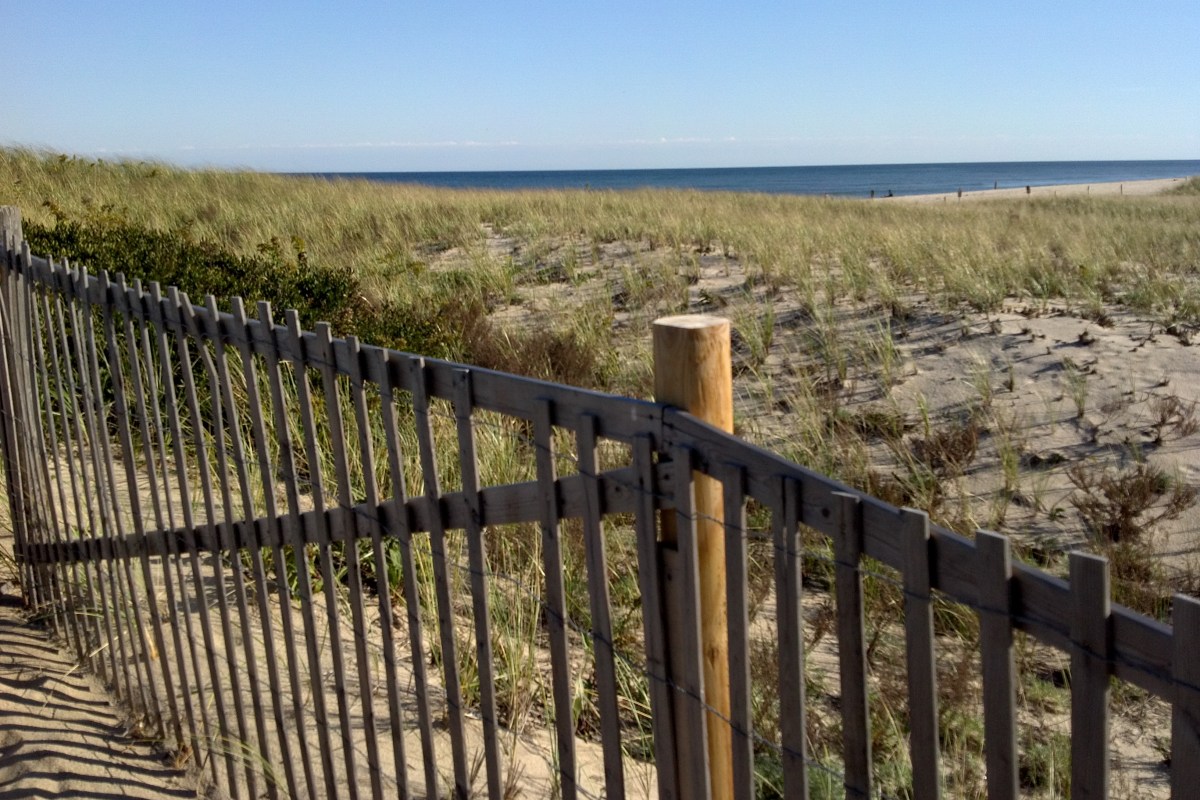
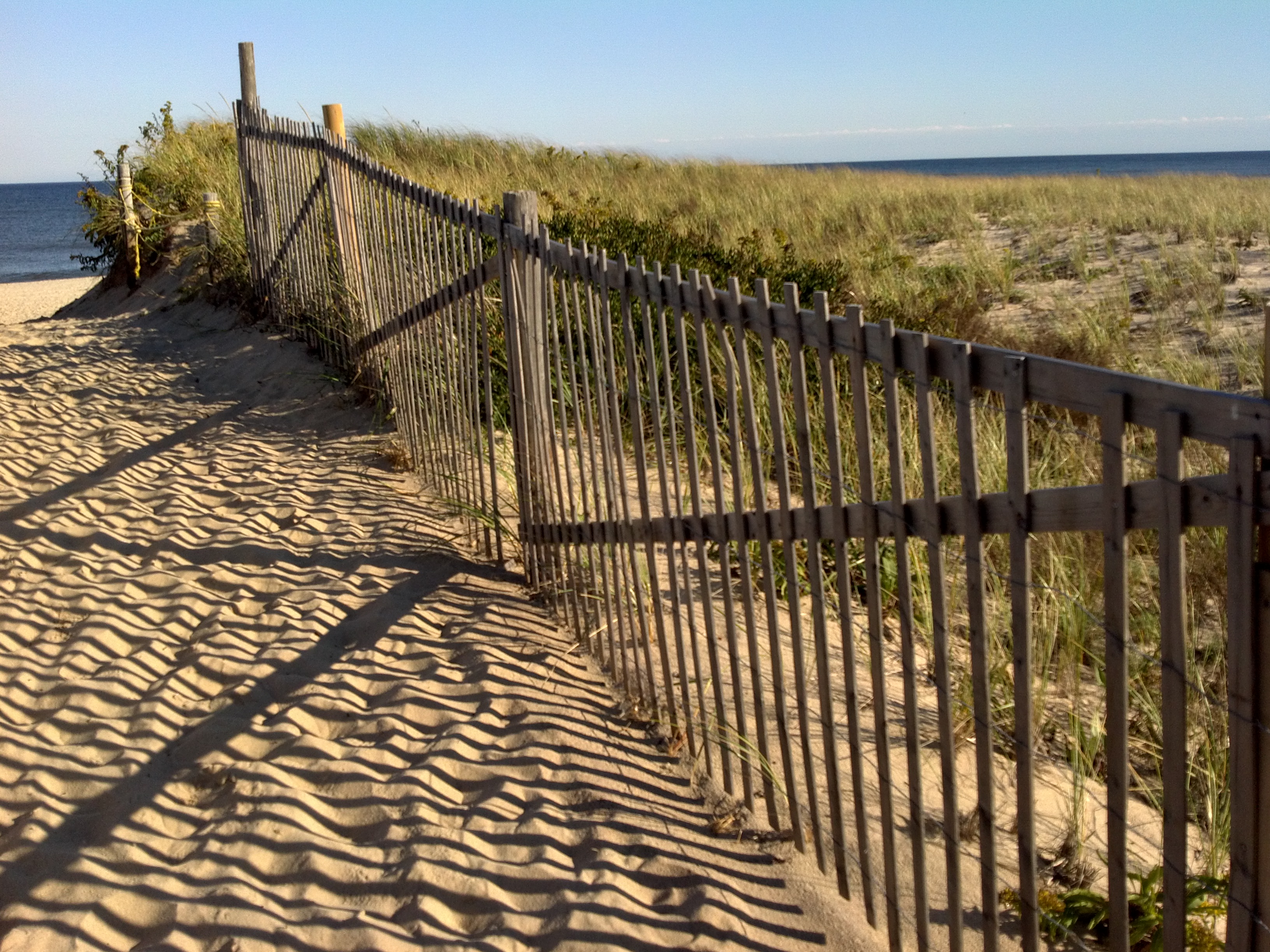
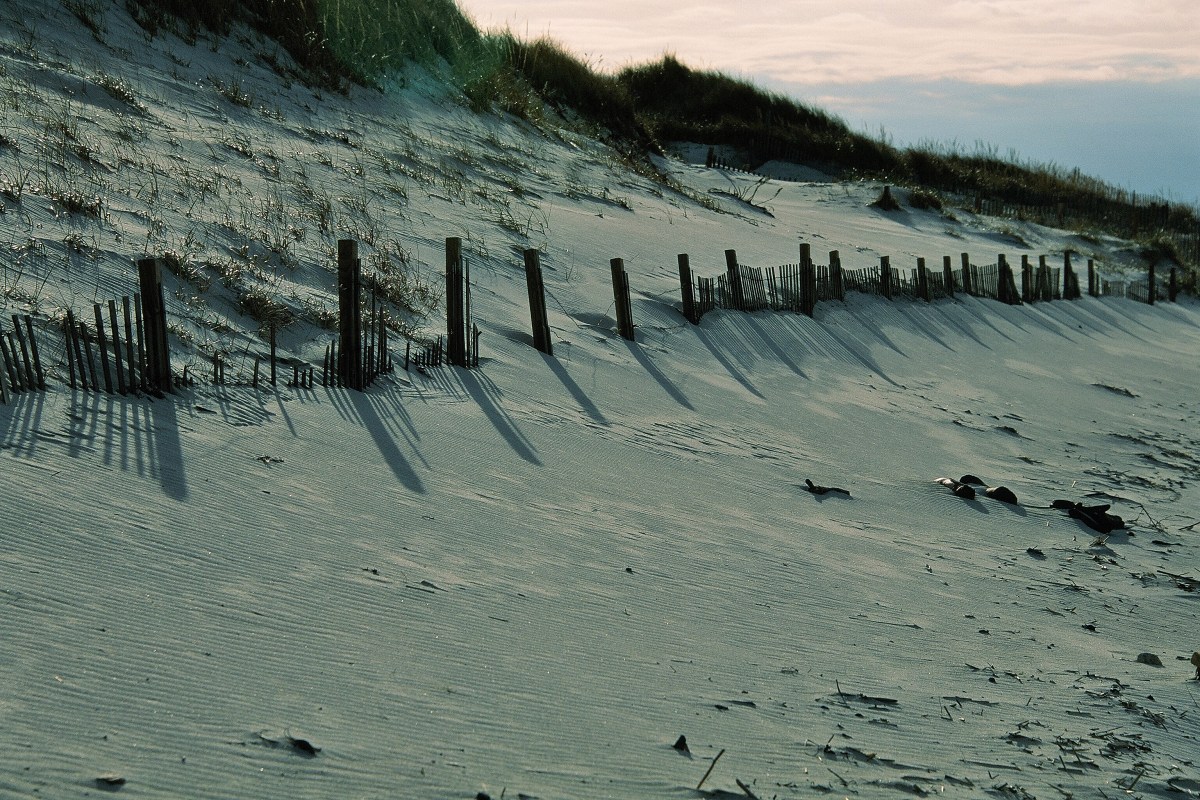
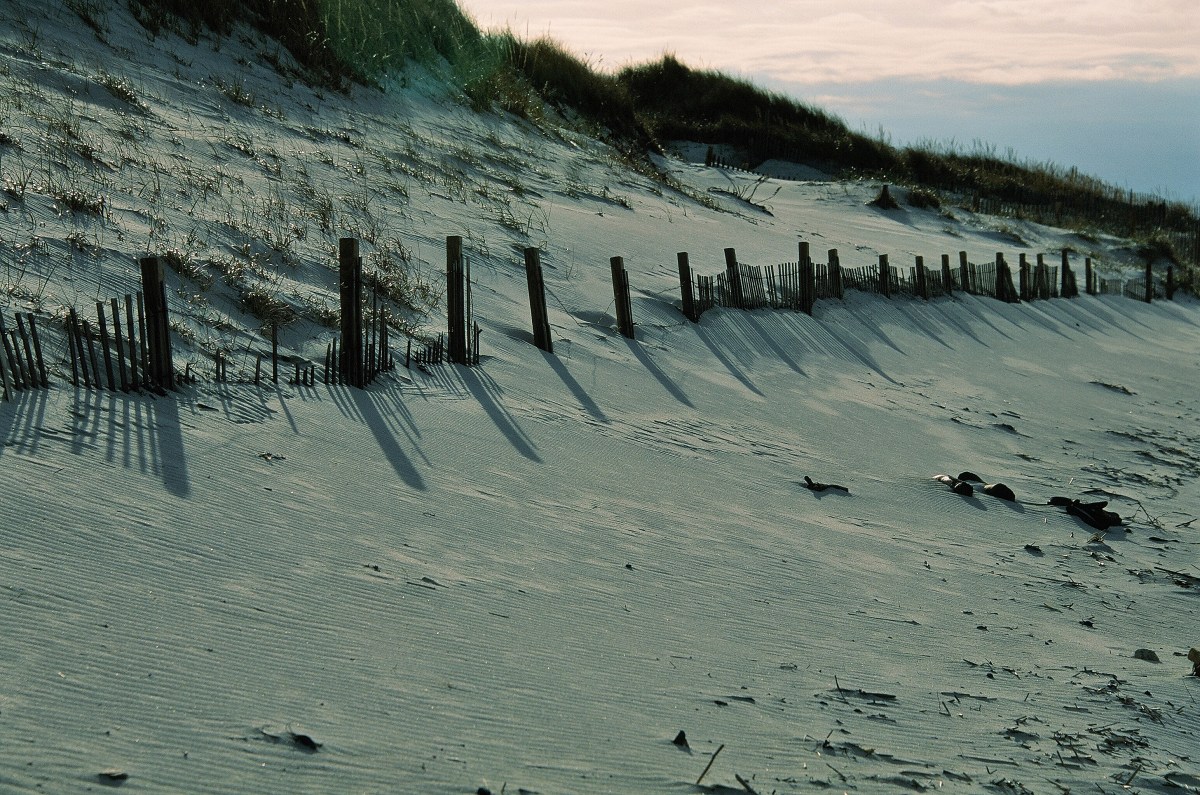
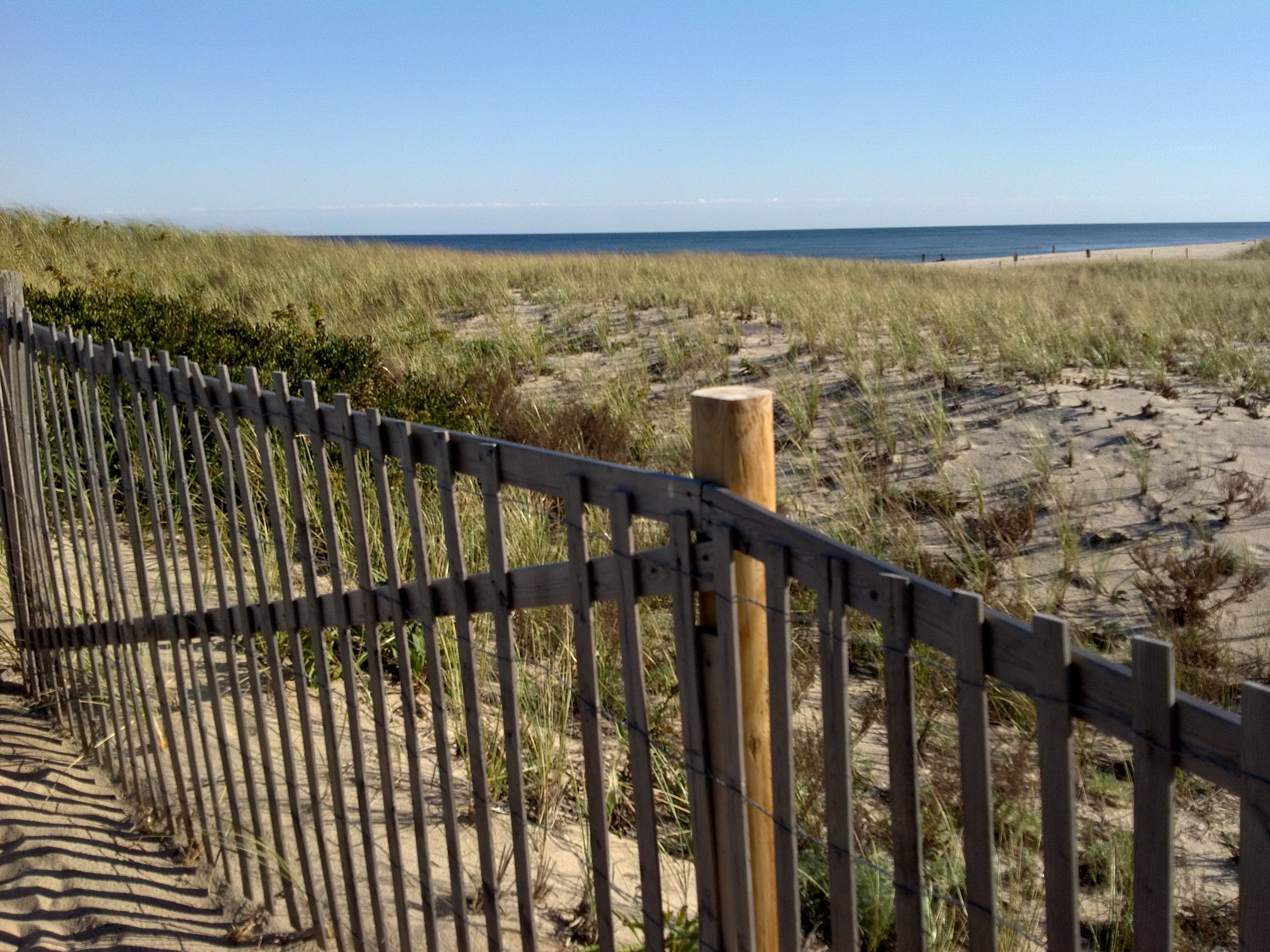
Like many, I love the beach. I’m drawn to it and many of my photos contain it’s beauty. What caught my eye here was the pattern of the fence and shadow with the colors of the sand. the natural aspect with the man-made.
I use a variety of film and digital cameras and devices for my film work. In this instance, all I had with me was a Droid 3 phone: 8 megapixels, LED flash, autofocus camera. I love my tech, low and high and am quite impressed by these little devices. Obviously most of them don’t provide the highest quality when enlarged but not too bad at this size. I’m finding it more important these days to carry a simple setup that produces quality results and just get the photo. This setup isn’t it but it wasn’t too bad in a pinch.
I have been trying a number of setups and will detail some in future posts. leo brady
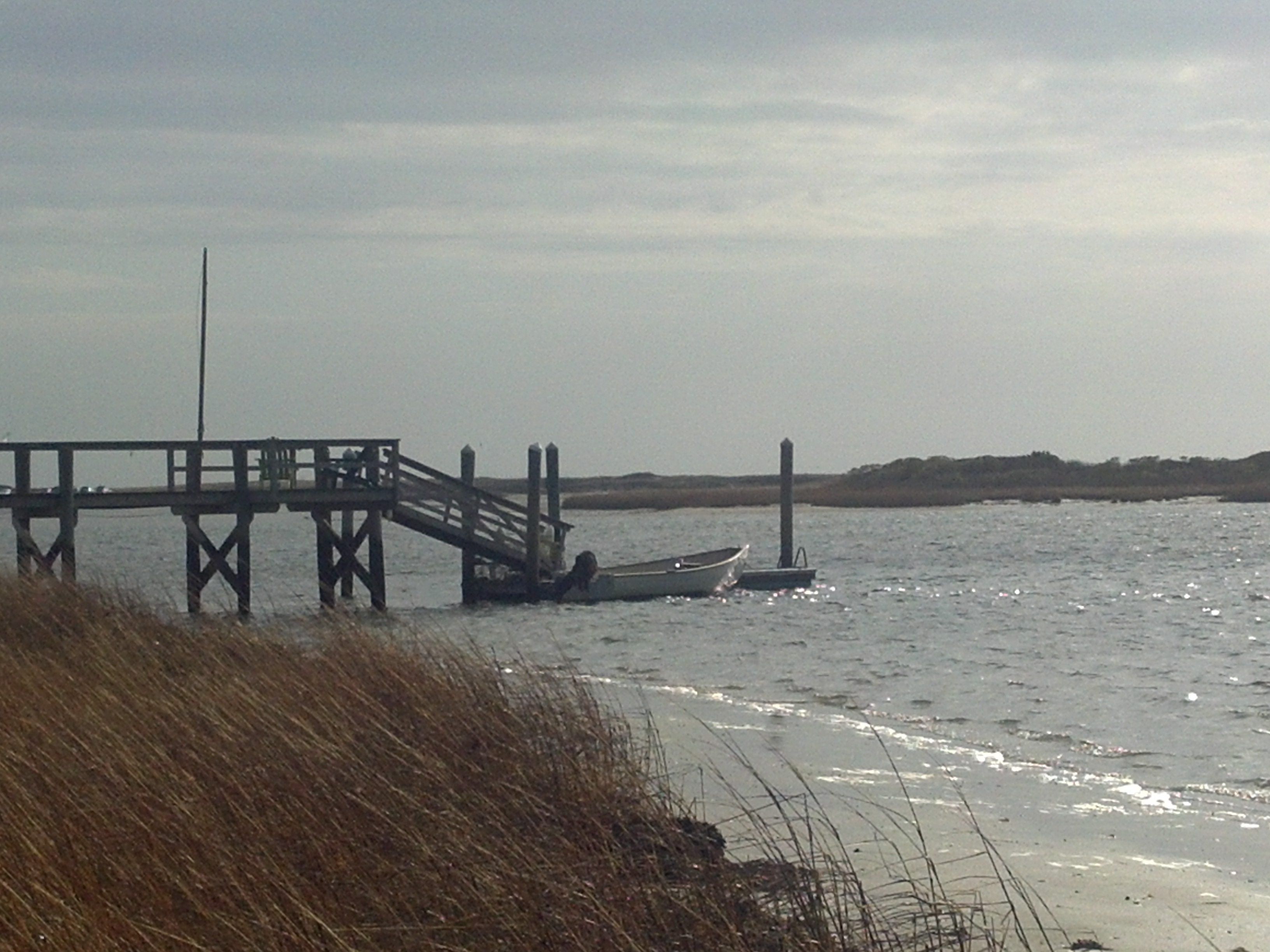
Here’s a couple of more from the set:
All rights reserved © 2021 Leo F. Brady
 realreality Productions let's get real ...