
fueling hope: step 1



Hi All
I hope you’re well!
This is my second submission to the” Fuel Hope (Zündstoff Hoffnung)” Project. By the way, you can find out more and enter your own submissions here. I see a lot of beautiful, hopeful, work out there. Don’t be shy. The more hope, the better.
I’ve been thinking a lot about the word, “hope” lately, thanks to Petra ;-) I’m finding I have mixed feelings about the word but I will write more on that in my next submission.
I’m a hopeful person by nature but ooohhh, I’ve had my dark days. And at present, we are in some, dark, days. But we can’t let that darkness bring us to despair. We must hold on and lift up those that are stumbling, knowing better days are ahead.
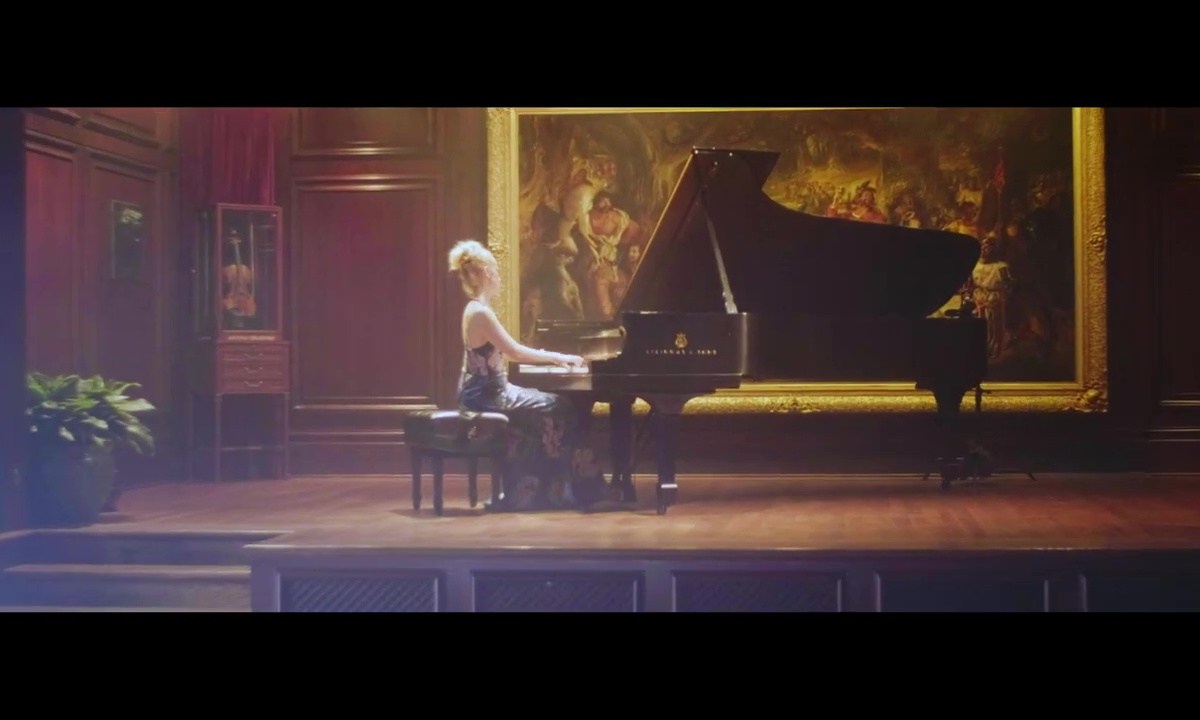
Music – creating, playing and listening has always been a great source of hope for me and I’m sure for most of you. It can take you out of yourself and focus your spirit on the positive. Find those pieces of music that work for you and fuel your hope.
Be strong; Be brave; Honor your ancestors.
Hold the line !
take care
leo


Therefore you must always keep in mind that a path is only a path; if you feel you should not follow it, you must not stay with it under any conditions….
Does this path have a heart? If it does, the path is good; if it doesn’t, it is of no use. Both paths lead nowhere; but one has a heart, the other doesn’t. One makes for a joyful journey; as long as you follow it, you are one with it. The other will make you curse your life. One makes you strong; the other weakens you.
don Juan
from The Teachings of Don Juan: A Yaqui Way of Knowledge by Carlos Casteneda

Hi All
I hope you’re all well.
The American West was a brutal period in US history, for all peoples involved. Propaganda abounds on all sides.
As with any his-story, it’s best to find “primary sources” when trying to research what may have occurred.
Geronimo’s autobiography is “one” of those sources. It’s a honest, eye-opening, look at the period.
And Librivox is one of the few remaining resources, on the Net, to find a bit of reality.
Good hunting ! ;-) lb

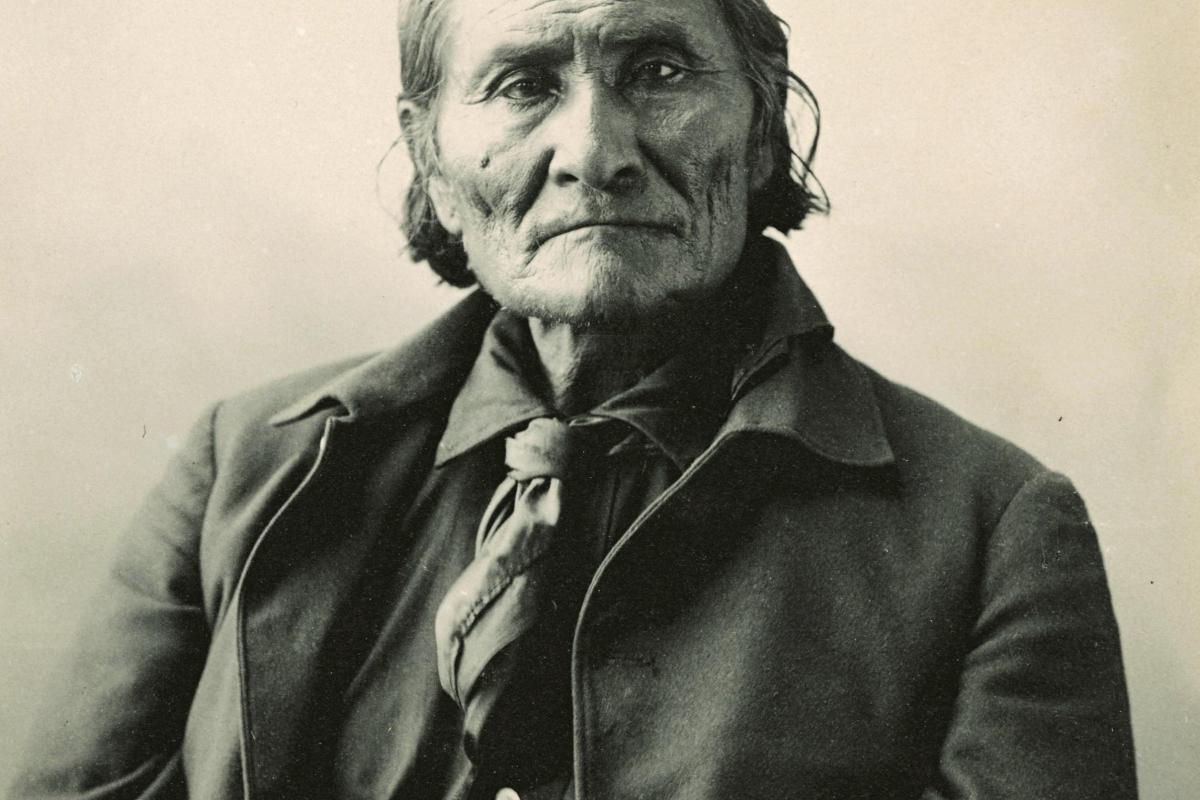
Geronimo “one who yawns”; June 16, 1829 — February 17, 1909) was a prominent leader of the Bedonkohe Apache who fought against Mexico and the United States for their expansion into Apache tribal lands for several decades during the Apache Wars. “Geronimo” was the name given to him during a battle with Mexican soldiers. His Chiricahua name is often rendered as Goyathlay or Goyahkla in English.
Full free Librivox recording and text available here – Geronimo’s Story of His Life
Read by Sue Anderson
Below is a couple of sample chapters.
Geronimo’s Autobiography
Dedicatory, Preface, Introductory
Chapter 1 The Apaches Part 1
Blog Featured Image
Geronimo, Chiricahua Apache leader. Photograph by Frank A. Rinehart, 1898.

They Live – Seeing the Truth: Nada (Roddy Piper) wears the sunglasses for the first time and discovers the truth of our world.
FILM DESCRIPTION: Nada (Roddy Piper), a wanderer without meaning in his life, discovers a pair of sunglasses capable of showing the world the way it truly is. As he walks the streets of Los Angeles, Nada notices that both the media and the government are comprised of subliminal messages meant to keep the population subdued, and that most of the social elite are skull-faced aliens bent on world domination. With this shocking discovery, Nada fights to free humanity from the mind-controlling aliens.
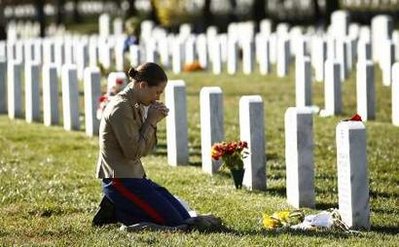
For those of you who have served our country – Thank You!
And I should have said the same to those men and women throughout the world who have served their respective countries in the cause of freedom!
Congress of the United States
begun and held at the City of New-York, on
Wednesday the fourth of March, one thousand seven hundred and eighty nine.
THE Conventions of a number of the States, having at the time of their adopting the Constitution, expressed a desire, in order to prevent misconstruction or abuse of its powers, that further declaratory and restrictive clauses should be added: And as extending the ground of public confidence in the Government, will best ensure the beneficent ends of its institution.
RESOLVED by the Senate and House of Representatives of the United States of America, in Congress assembled, two thirds of both Houses concurring, that the following Articles be proposed to the Legislatures of the several States, as amendments to the Constitution of the United States, all, or any of which Articles, when ratified by three fourths of the said Legislatures, to be valid to all intents and purposes, as part of the said Constitution; viz.
ARTICLES in addition to, and Amendment of the Constitution of the United States of America, proposed by Congress, and ratified by the Legislatures of the several States, pursuant to the fifth Article of the original Constitution.
Note: The following text is a transcription of the first ten amendments to the Constitution in their original form. These amendments were ratified December 15, 1791, and form what is known as the “Bill of Rights.”
Congress shall make no law respecting an establishment of religion, or prohibiting the free exercise thereof; or abridging the freedom of speech, or of the press; or the right of the people peaceably to assemble, and to petition the Government for a redress of grievances.
A well regulated Militia, being necessary to the security of a free State, the right of the people to keep and bear Arms, shall not be infringed.
No Soldier shall, in time of peace be quartered in any house, without the consent of the Owner, nor in time of war, but in a manner to be prescribed by law.
The right of the people to be secure in their persons, houses, papers, and effects, against unreasonable searches and seizures, shall not be violated, and no Warrants shall issue, but upon probable cause, supported by Oath or affirmation, and particularly describing the place to be searched, and the persons or things to be seized.
No person shall be held to answer for a capital, or otherwise infamous crime, unless on a presentment or indictment of a Grand Jury, except in cases arising in the land or naval forces, or in the Militia, when in actual service in time of War or public danger; nor shall any person be subject for the same offence to be twice put in jeopardy of life or limb; nor shall be compelled in any criminal case to be a witness against himself, nor be deprived of life, liberty, or property, without due process of law; nor shall private property be taken for public use, without just compensation.
In all criminal prosecutions, the accused shall enjoy the right to a speedy and public trial, by an impartial jury of the State and district wherein the crime shall have been committed, which district shall have been previously ascertained by law, and to be informed of the nature and cause of the accusation; to be confronted with the witnesses against him; to have compulsory process for obtaining witnesses in his favor, and to have the Assistance of Counsel for his defence.
In Suits at common law, where the value in controversy shall exceed twenty dollars, the right of trial by jury shall be preserved, and no fact tried by a jury, shall be otherwise re-examined in any Court of the United States, than according to the rules of the common law.
Excessive bail shall not be required, nor excessive fines imposed, nor cruel and unusual punishments inflicted.
The enumeration in the Constitution, of certain rights, shall not be construed to deny or disparage others retained by the people.
The powers not delegated to the United States by the Constitution, nor prohibited by it to the States, are reserved to the States respectively, or to the people.
 realreality Productions let's get real ...