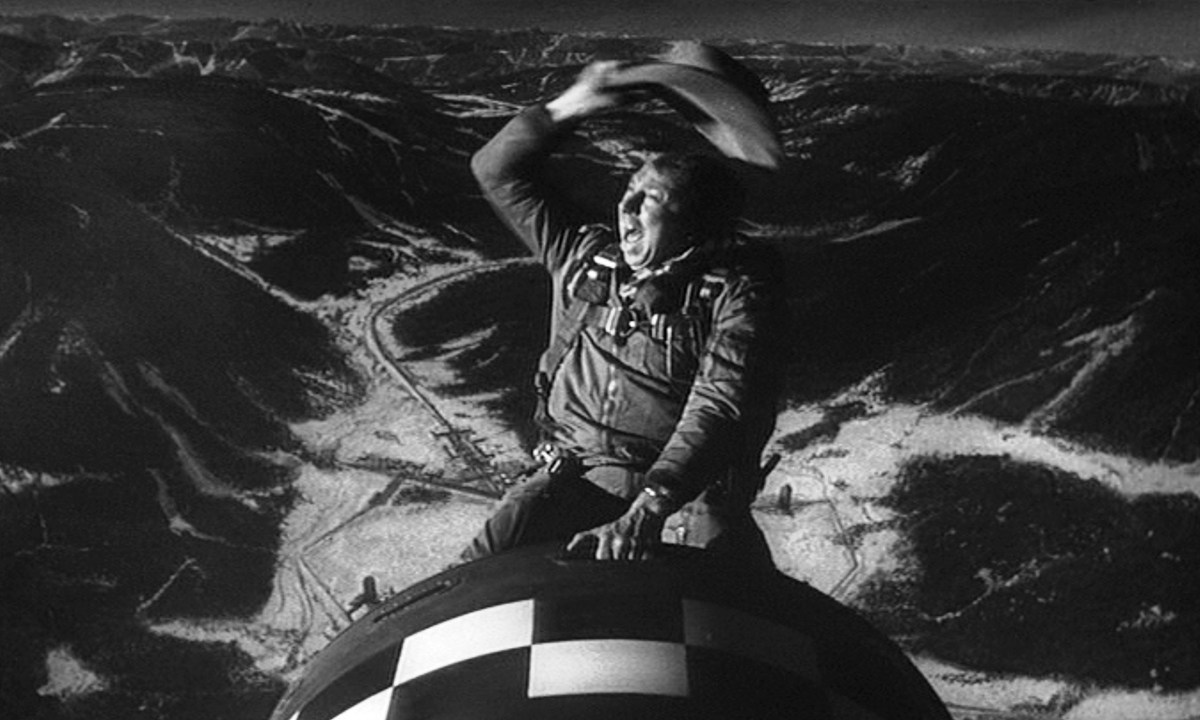
War is “still” a Racket | Why has Congress abrogated its responsibility?

I grew up in the the US, during the Vietnam War era. I’m an anti-war advocate, unless we are attacked and then all bets are off.

Whatever side of this current war you are on, it’s the US Congress’ responsibility, not a President’s or a Foreign government’s, to declare war.

I don’t think I’ve ever seen the US Congress declare war in my lifetime.

That said, Congress should all be dismissed and new elections run, if  it can’t or won’t fulfill its responsibilities. lb

ArtI.S8.C11.2.1 Overview of Declare War Clause

[The Congress shall have Power . . . ] To declare War, grant Letters of Marque and Reprisal, and make Rules concerning Captures on Land and Water; . . .

The Declare War Clause is a central element of Congress’s war powers and its meaning is among those most heavily debated.1 The Supreme Court has observed that only Congress has the power to declare war,2 but the implications of this exclusive assignment are not well-settled. In particular, the relationship between Congress’s power to declare war and the President’s war powers granted under Article II of the Constitution is a subject of significant disagreement.3

The first draft of the Constitution considered in Philadelphia in 1787 would have given Congress the power to make war, but the Framers substituted the word declare in what James Madison described as an effort to ensure that the President was empowered to repel sudden attacks.4 Under Congress’s interpretation of the Constitution, the President may introduce troops into hostile circumstances if Congress has (1) declared war, (2) specifically authorized the President to use force, or (3) there is a national emergency created by an attack on the United States or its territories.5 The executive branch claims much broader authority and asserts that the Constitution empowers the President to initiate and engage in many types of military action without congressional authorization.6

While this interbranch debate remains active, other questions concerning the Declare War Clause have been settled by longstanding practice and judicial opinions. For example, the Supreme Court has recognized that Congress need not issue a formal declaration of war to authorize the United States to engage in military action.7 Congress also can, by statute, authorize the President to use force within defined parameters that do not rise to the level of a general declaration of war.8 The United States has issued declarations of war against eleven countries during five conflicts, but it has not formally declared war since World War II.9 As a result, statutory authorizations have become the predominant method for Congress to permit military action since the Second World War.10

The Supreme Court has also observed that the Declare War Clause confers broad authority upon Congress to pursue the war effort.11 The power to Declare War, the Supreme Court stated in 1870, involves the power to prosecute it by all means and in any manner in which war may be legitimately prosecuted.12 In line with this interpretation, Congress has enacted an extensive set of statutes that trigger a host of special wartime authorities concerning the military, foreign trade, energy, communications, alien enemies, and other issues if Congress declares war.13


War is a Racket | Why has Congress abrogated its responsibility?

I grew up in the the US, during the Vietnam War era. I’m an anti-war advocate, unless we are attacked and then all bets are off.

Whatever side of this current war you are on, it’s the US Congress’ responsibility, not a President’s or a Foreign government’s, to declare war.

I don’t think I’ve ever seen the US Congress declare war in my lifetime.

That said, Congress should all be dismissed and new elections run, if  it can’t or won’t fulfill its responsibilities. lb

ArtI.S8.C11.2.1 Overview of Declare War Clause

[The Congress shall have Power . . . ] To declare War, grant Letters of Marque and Reprisal, and make Rules concerning Captures on Land and Water; . . .

The Declare War Clause is a central element of Congress’s war powers and its meaning is among those most heavily debated.1 The Supreme Court has observed that only Congress has the power to declare war,2 but the implications of this exclusive assignment are not well-settled. In particular, the relationship between Congress’s power to declare war and the President’s war powers granted under Article II of the Constitution is a subject of significant disagreement.3

The first draft of the Constitution considered in Philadelphia in 1787 would have given Congress the power to make war, but the Framers substituted the word declare in what James Madison described as an effort to ensure that the President was empowered to repel sudden attacks.4 Under Congress’s interpretation of the Constitution, the President may introduce troops into hostile circumstances if Congress has (1) declared war, (2) specifically authorized the President to use force, or (3) there is a national emergency created by an attack on the United States or its territories.5 The executive branch claims much broader authority and asserts that the Constitution empowers the President to initiate and engage in many types of military action without congressional authorization.6

While this interbranch debate remains active, other questions concerning the Declare War Clause have been settled by longstanding practice and judicial opinions. For example, the Supreme Court has recognized that Congress need not issue a formal declaration of war to authorize the United States to engage in military action.7 Congress also can, by statute, authorize the President to use force within defined parameters that do not rise to the level of a general declaration of war.8 The United States has issued declarations of war against eleven countries during five conflicts, but it has not formally declared war since World War II.9 As a result, statutory authorizations have become the predominant method for Congress to permit military action since the Second World War.10

The Supreme Court has also observed that the Declare War Clause confers broad authority upon Congress to pursue the war effort.11 The power to Declare War, the Supreme Court stated in 1870, involves the power to prosecute it by all means and in any manner in which war may be legitimately prosecuted.12 In line with this interpretation, Congress has enacted an extensive set of statutes that trigger a host of special wartime authorities concerning the military, foreign trade, energy, communications, alien enemies, and other issues if Congress declares war.13
NEH Announces New Grant Program for Cultural Organizations on the People, Events, and Legacy of 1776

Washington, DC (May 16, 2025)

The National Endowment for the Humanities (NEH) is pleased to announce a new grant program for museums, libraries, archives, and other cultural organizations to support public programs on the ideas of the American Revolution and the founding of the United States.

To mark the 250th anniversary of the signing of the Declaration of Independence in 2026, NEH’s Public Impact Projects Celebrating America’s 250th Anniversary program offers grants of up to $200,000 for projects that focus on public interpretation of the Founding Era and the lasting impact of the people and events that propelled the Revolution.

“The 250th anniversary of the signing of the Declaration of Independence is an opportunity to revisit the founding ideals of our republic and reinforce our commitment to them,” said Acting NEH Chairman Michael McDonald. “The National Endowment for the Humanities is excited to honor this history by supporting cultural organizations’ efforts to enhance Americans’ understanding of the legacy of the Declaration of Independence and inspire civic engagement.”

The program will support projects and activities such as exhibitions, training for staff and volunteers, and the development of new interpretive plans for historic sites and collections.

NEH’s Public Impact Projects Celebrating America’s 250th Anniversary funding opportunity responds to the January 29, 2025 Presidential Executive Order “Celebrating America’s Birthday,” and is part of the agency’s larger A More Perfect Union initiative focused on exploring America’s story and celebrating its 250 years of cultural heritage.

The deadline for applications for Public Impact Projects Celebrating America’s 250th Anniversary is July 9, 2025.

Interested applicants should consult the NEH website for additional information. Questions about the funding opportunity may be directed to publicpgms@neh.gov.


National Endowment for the Humanities: The National Endowment for the Humanities supports research and learning in history, literature, philosophy, and other areas of the humanities by funding selected, peer-reviewed proposals from around the nation. Additional information about the National Endowment for the Humanities and its grant programs is available at neh.gov.

Media Contacts:

Revisit: American Citizens Step Up to Rebuild | The Appalachian Channel | John Ward

Jake at Precision Grading is still at it over seven months later at no charge to people in need of help. We still post updates on our facebook page every day. Thanks for reposting this. The need is still very much a reality here in our area and we are grateful for the support of this community.

Or you can Make a Check Payable to “Precision Grading” or “Jake Jarvis” The Appalachian Channel c/o Shannon Brookshire P.O. Box 428 Saluda, NC 28773

From John Ward
This video is a look back at one of my favorite videos, which was first posted six months ago. I thought I would do a replay for those who didn’t get a chance to watch it. I’m currently looking for anyone who received a FMEA Trailer for a new video that I’m working on. Thanks for watching The Appalachian Channel with John Ward If you would like to support the Appalachian Channels, use the link below. https://www.paypal.com/ncp/payment/TX… contact me at – johngward1472@gmail.com John Ward 312 Beverly Hills Ln LaFollette TN 37766

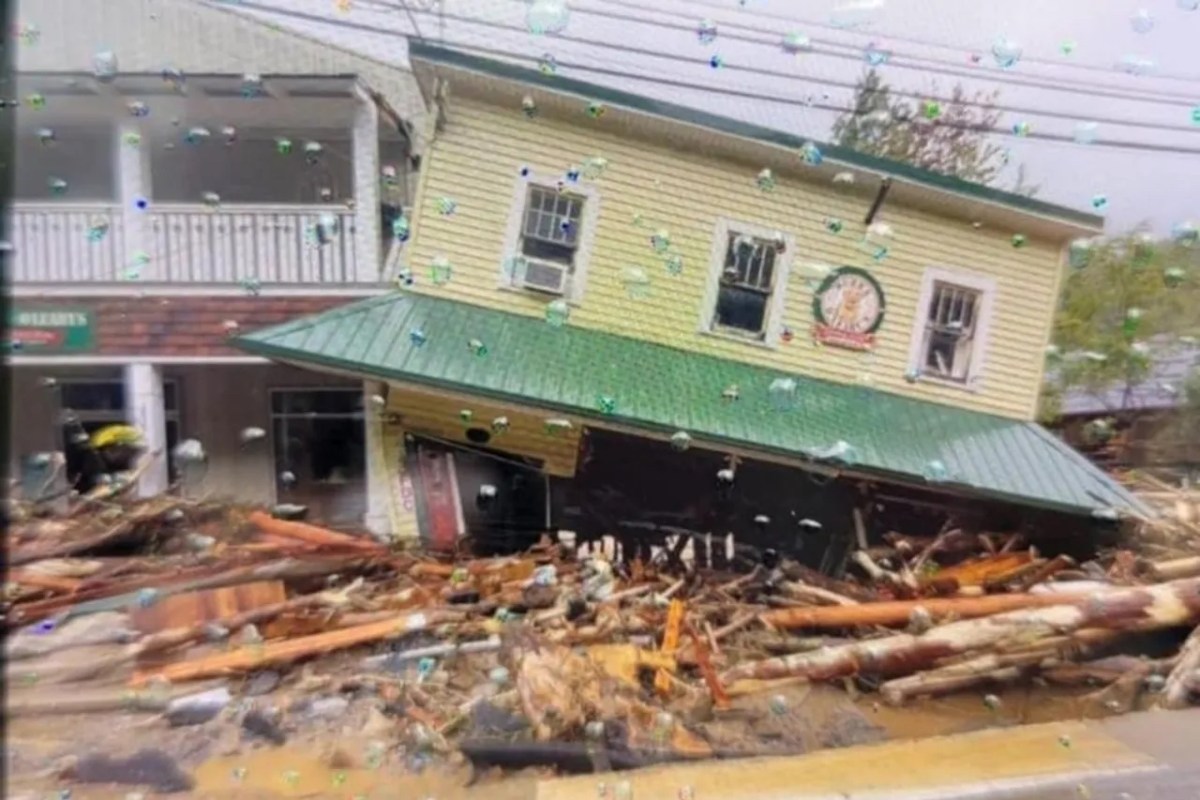
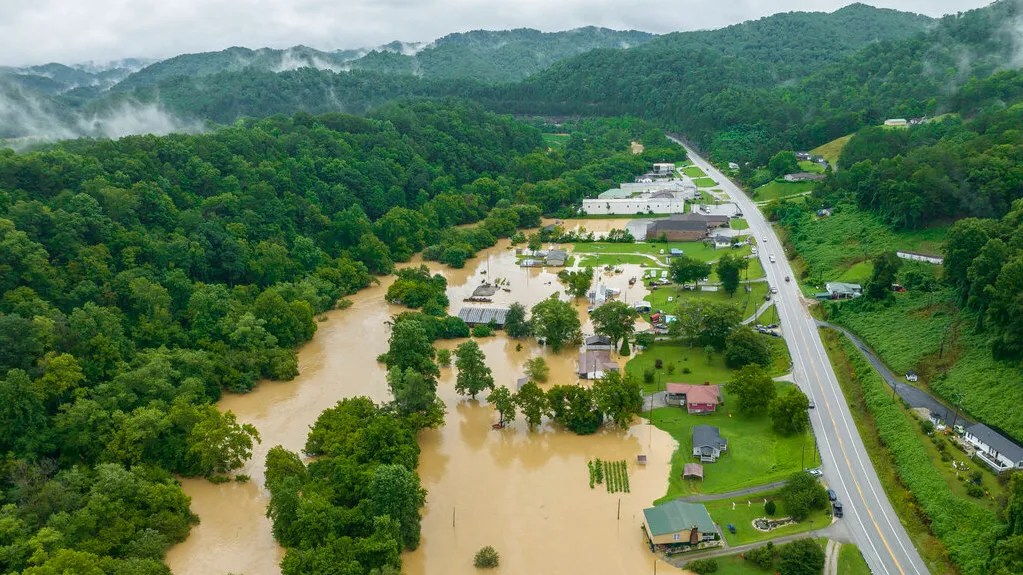
Follow John Ward at The Appalachian Channel with John Ward for more information, in the aftermath of Hurricane Helene.


When Government fails, American Citizens Step Up to Rebuild | The Appalachian Channel | John Ward

To support Jake by Gofundme click this link https://gofund.me/91a1d7ec

Or you can Make a Check Payable to “Precision Grading” or “Jake Jarvis” The Appalachian Channel c/o Shannon Brookshire P.O. Box 428 Saluda, NC 28773

Follow John Ward at The Appalachian Channel with John Ward for more information, in the aftermath of Hurricane Helene.