Here are a couple of clips of the drive along the scenic Duxbury coast.

Here are a couple of clips of the drive along the scenic Duxbury coast.
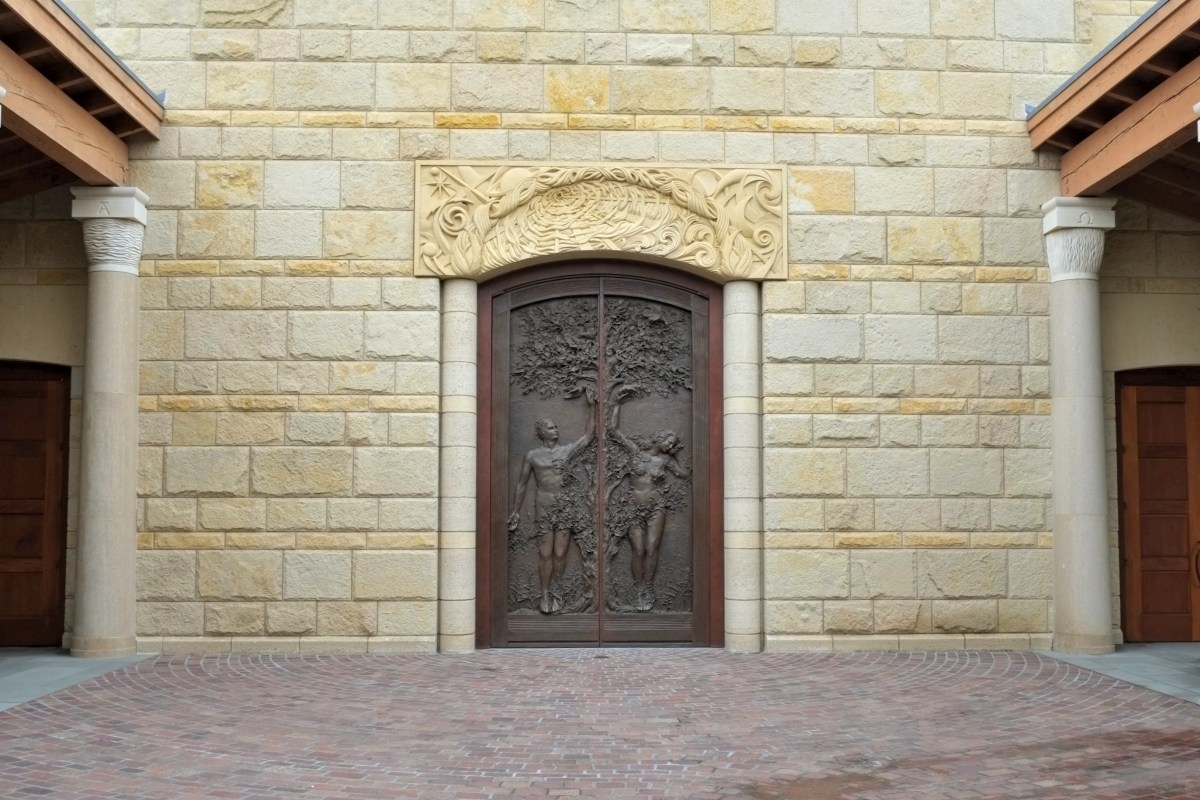
While I was walking around photographing Rock Harbor, I saw a tower in the distance. As a approached, I was amazed to see an Angel on top of the tower.
I walked closer and as I did, I saw some of the most interesting and beautiful architecture I have ever seen. This is the Church of the Transfiguration in Orleans MA.
To learn more: http://www.churchofthetransfiguration.org/


Cape Cod is one of my favorites places and Orleans, one of my favorite towns on the cape.
Here are a few shots of Rock Harbor I took with a Fuji XPro 1 with an 18mm (27mm in 35mm equivalence)

As I said, in Part I, something was eating my garden. ;-)
I’m happy to share my land with my animal buddies but I can’t let them destroy my property.
Well, now I had a problem, yet a perfect opportunity for a photo/film project to identify the suspects and capture some backyard wildlife photo/film clips.
And just as important, to learn how to protect my garden and shed. There is a volume of excellent non-lethal solutions to deal with any animal, published on the Net. In my case, it’s been a trial and error process. What I’ve learned is that nothing is 100% effective but setting up deterrents seems to work best.
To protect the garden, I erected a 7 foot deer fence. That should be sufficient, if not a bit of overkill. I could add a scarecrow. – we’ll see… ;-)
Protecting the shed would be a bit more difficult. I first had to find any openings that an animal could use, to move in and out from, under the shed. Once that was done, I blocked all but one opening and laid some hay in it. This would help me ascertain if an animal was still living there. Once I saw that the hay was not disturbed, I blocked that remaining opening. I left a radio playing in the shed, setup a couple of solar lights and spread some red pepper around the shed area. The goal was to make the site uncomfortable.
Eventually, I will have to excavate around the shed and install chickenwire. Here’s a link that details how to do that, for those interested. http://guelph.ca/living/pets-and-animals/city-wildlife/5376-2/
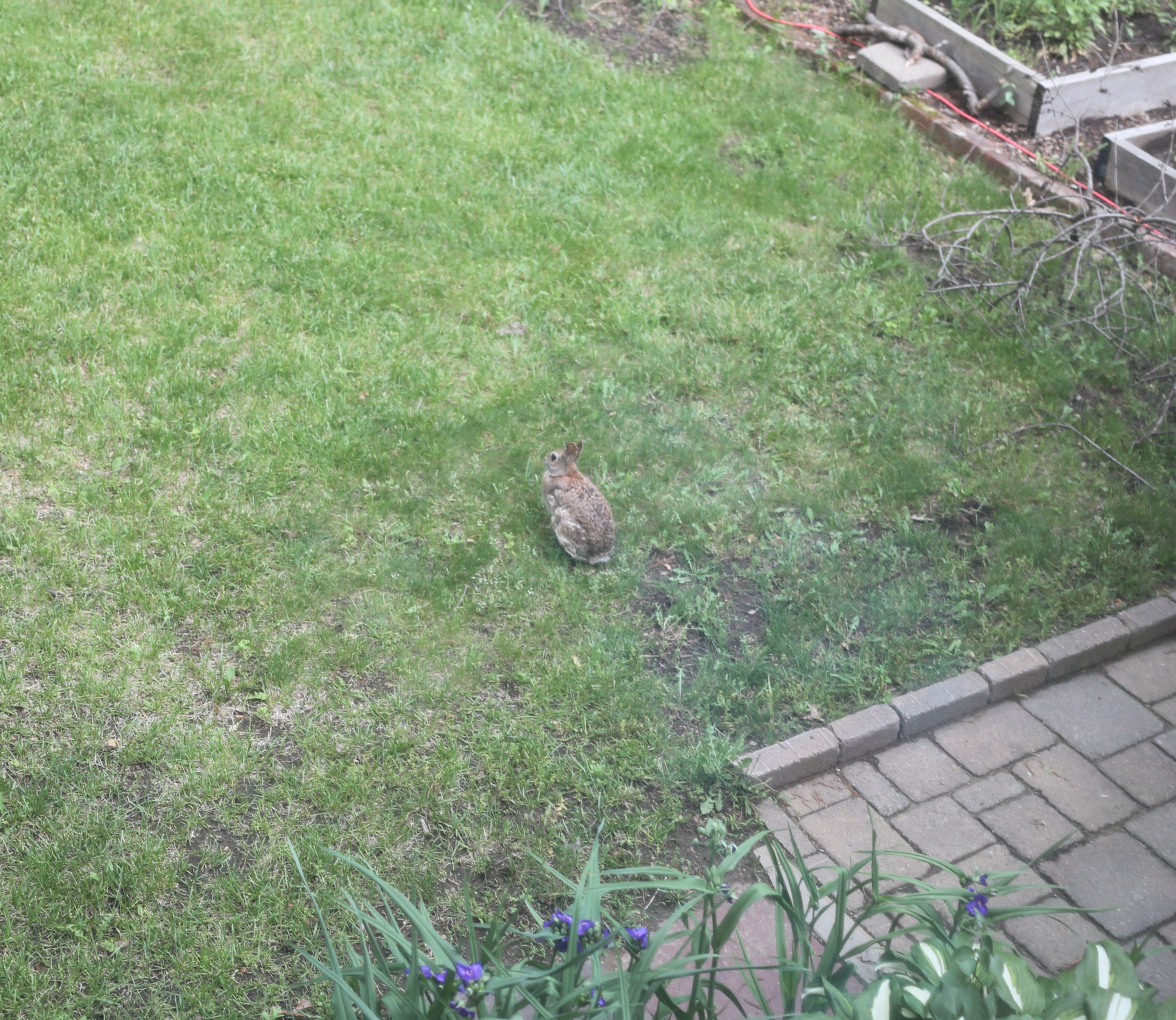
Here are some more of the culprits, roaming around my neighborhood and yard. ;-)
click on the images for a closer view…
The Wild Rabbit
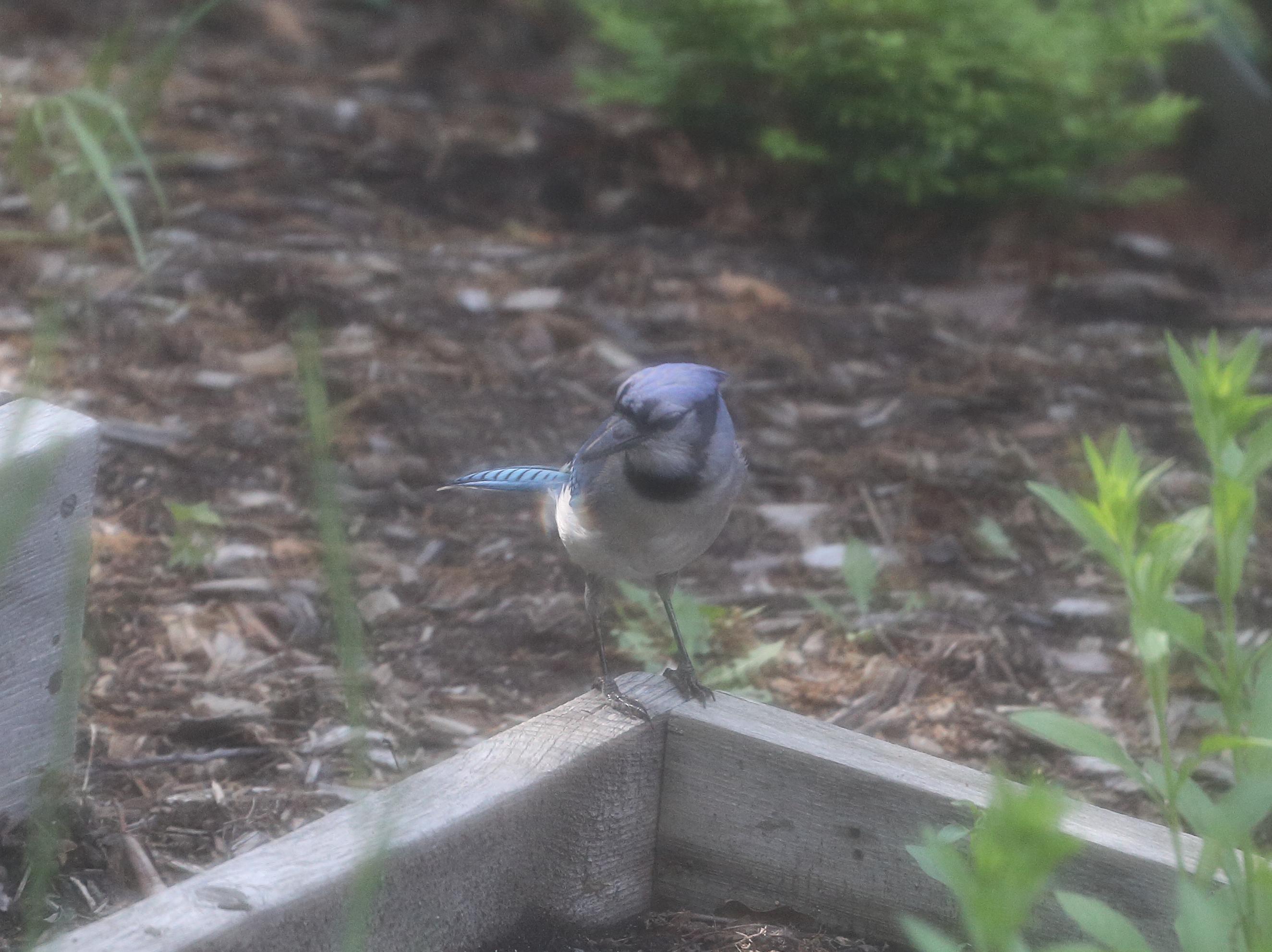
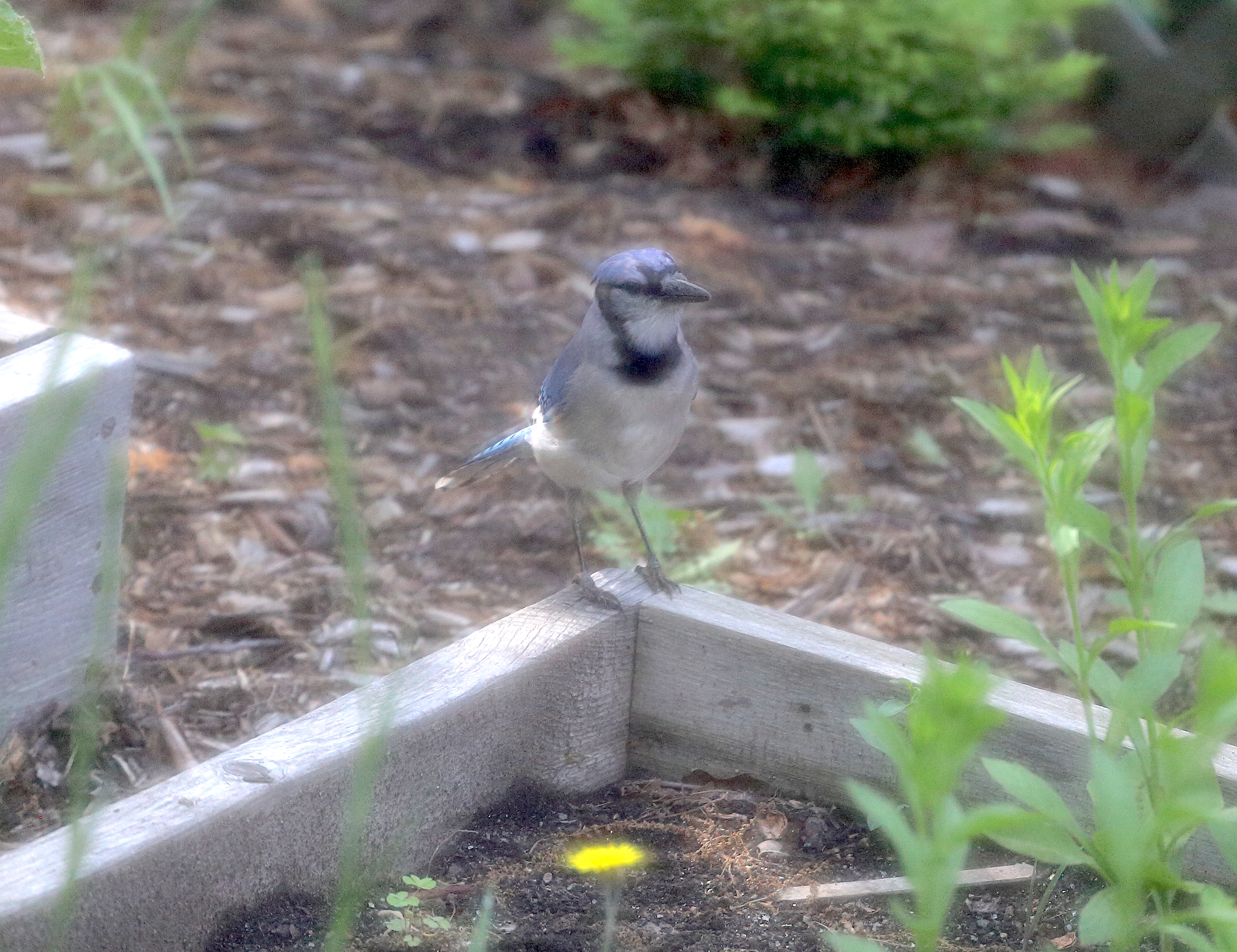
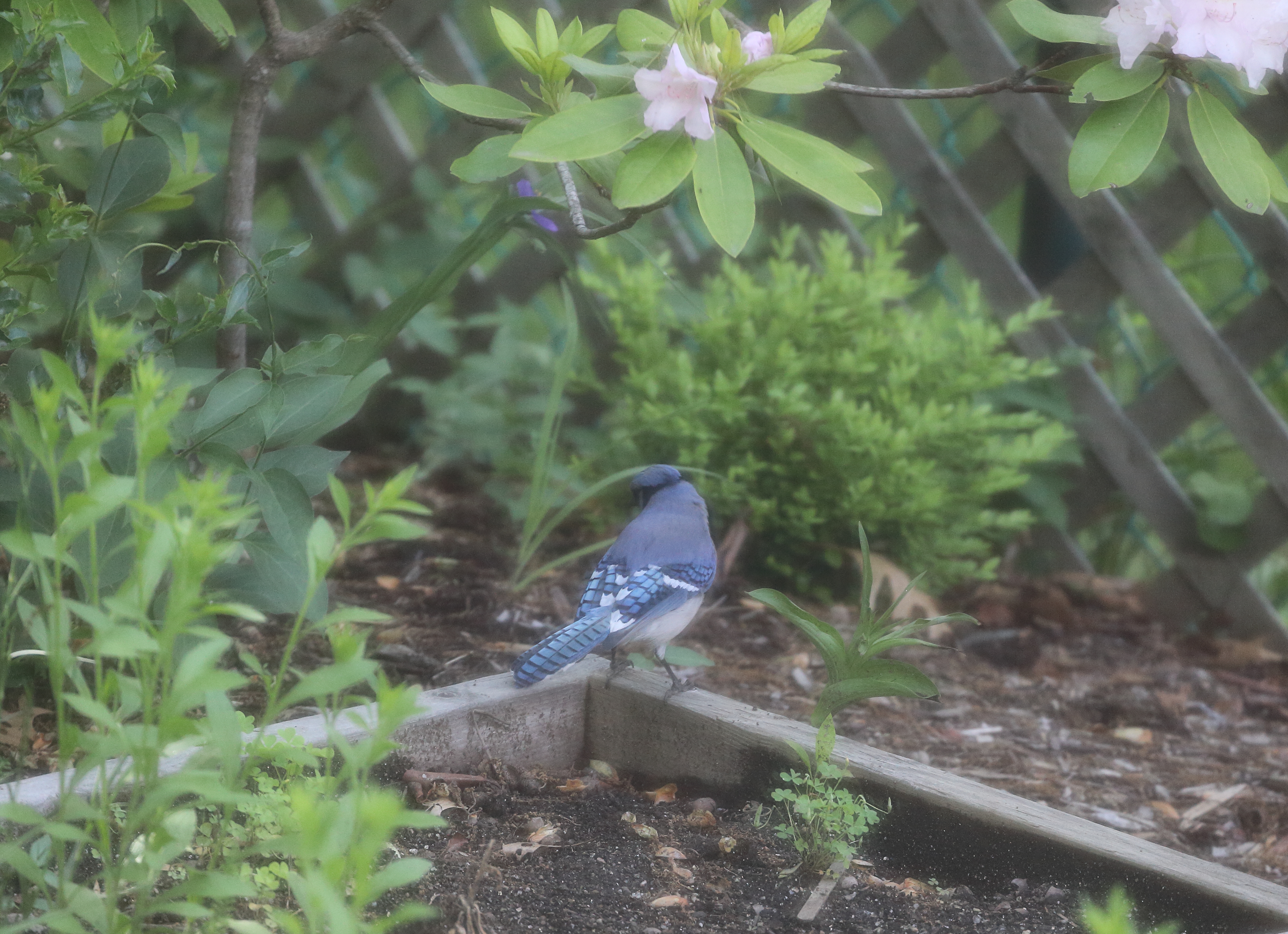
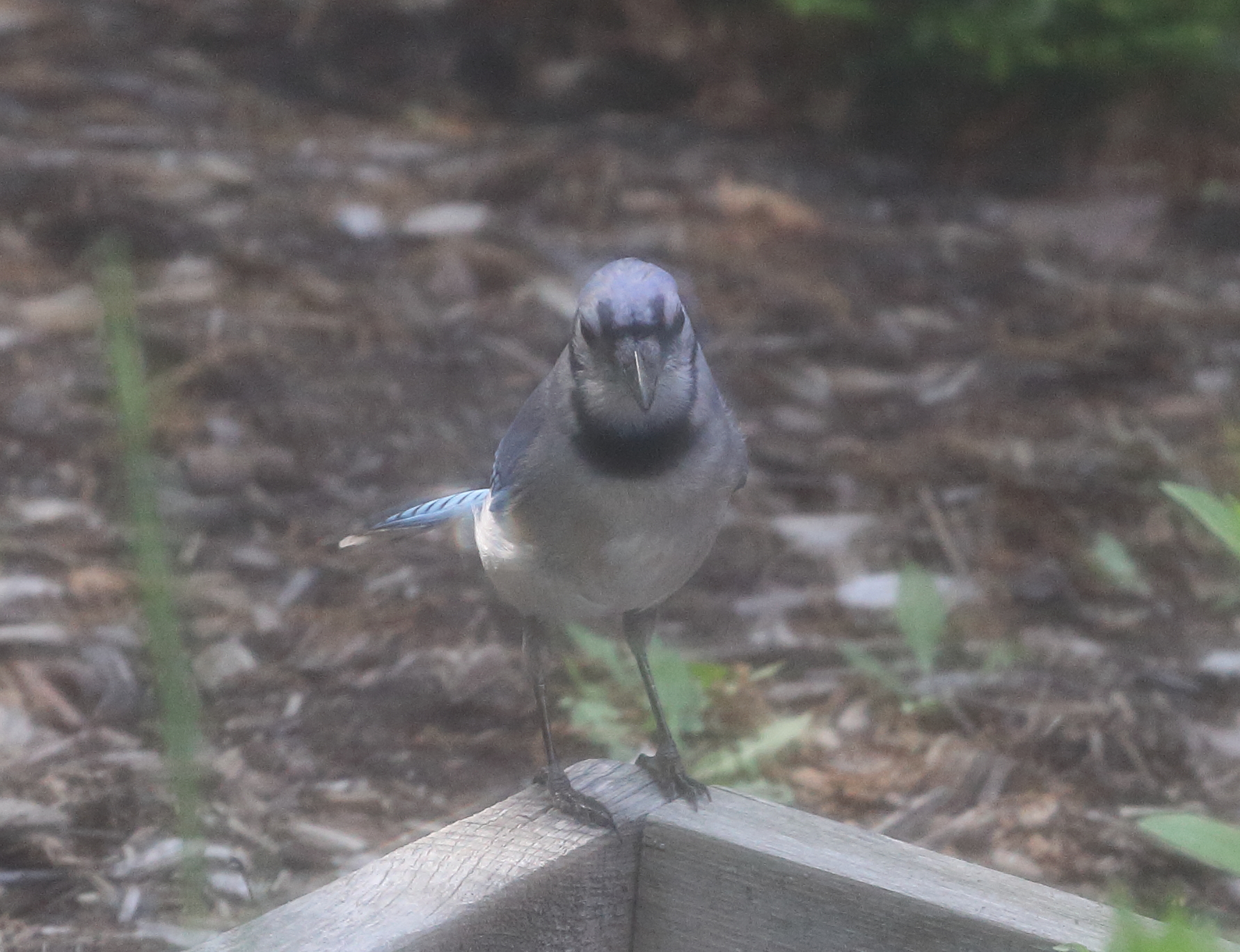
The Bluejay
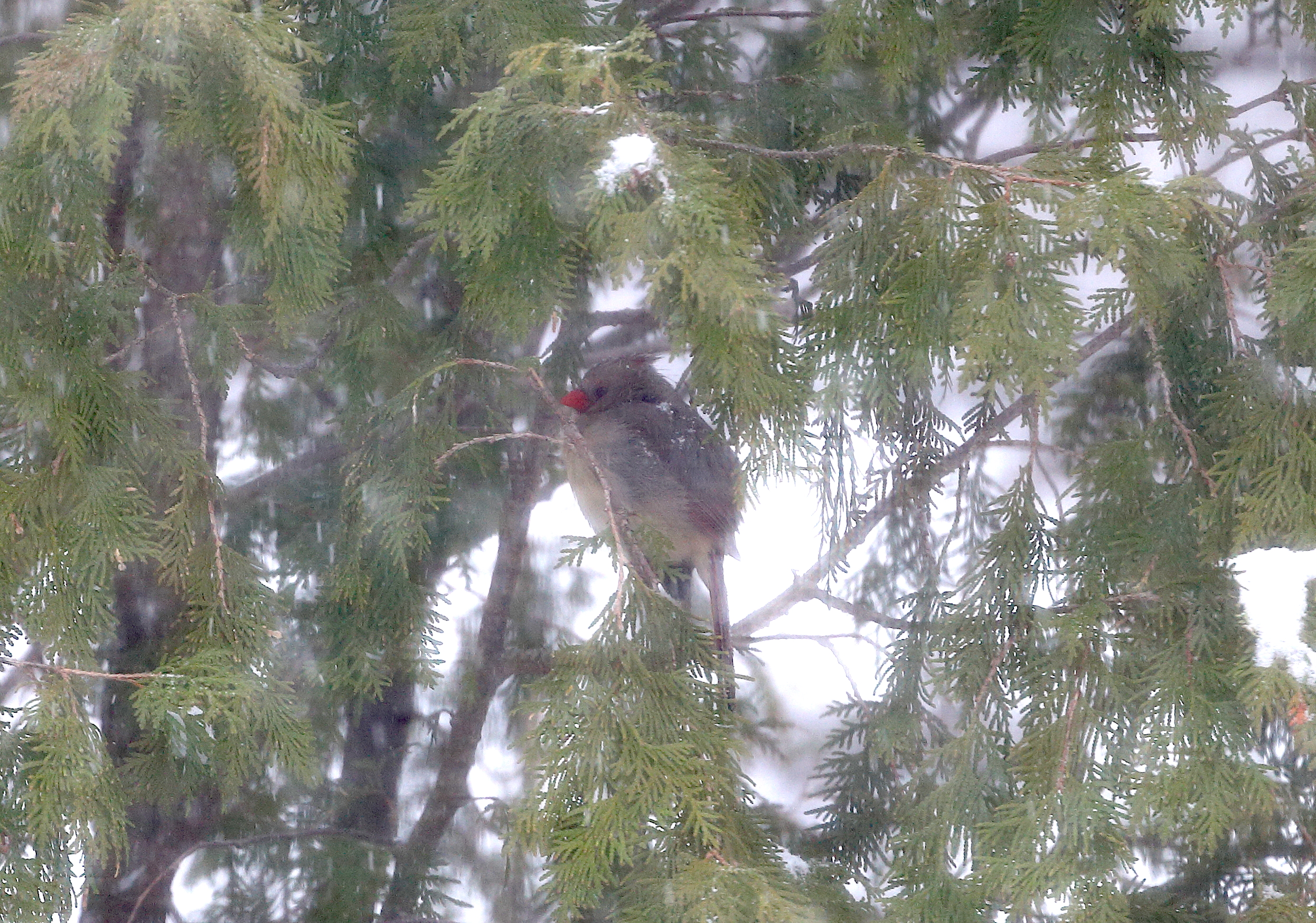
The Cardinal
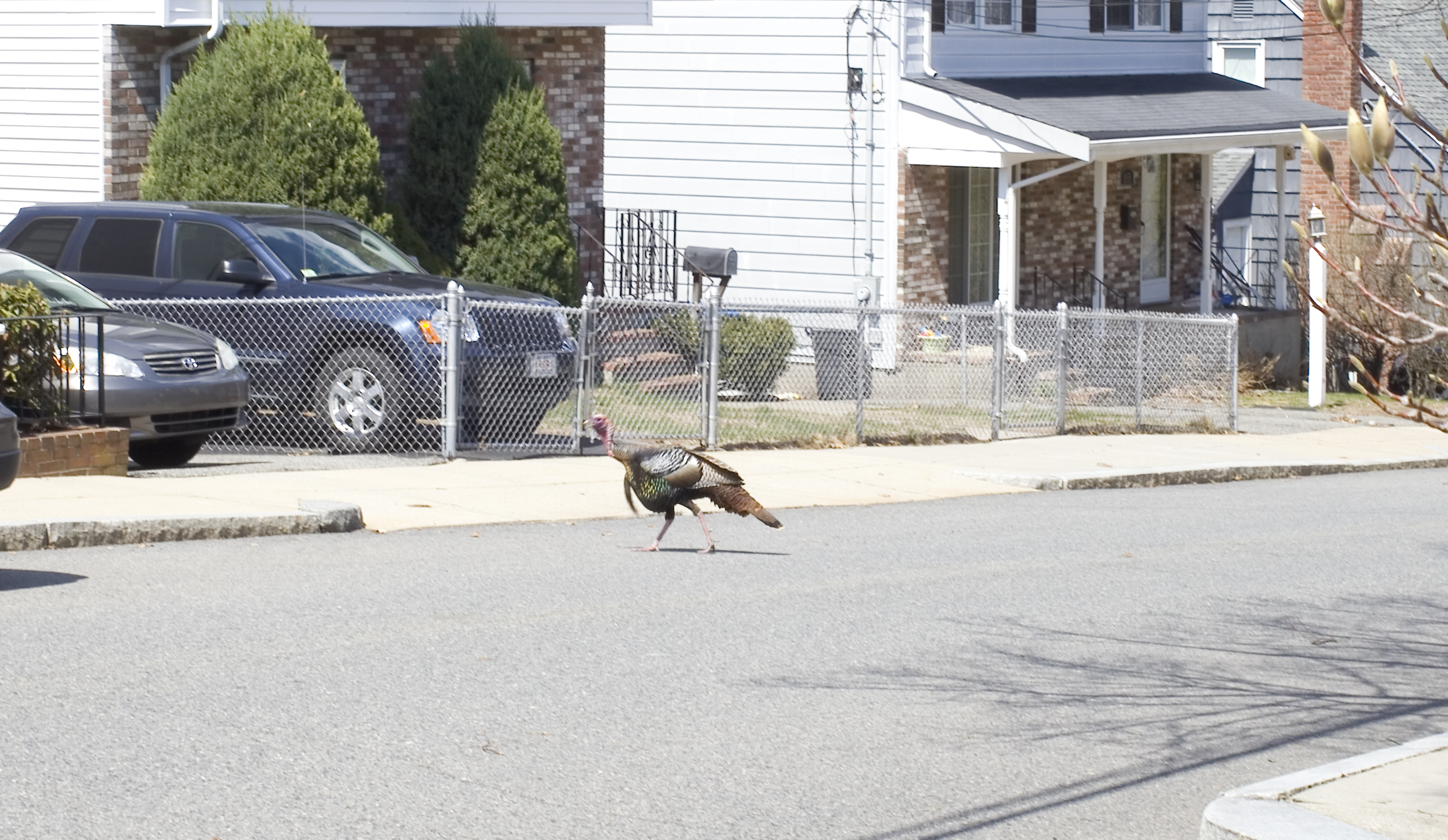
The Wild Turkey
Something was eating my garden. ;-)
I live on the outskirts, but within the city of Boston. The house lots here are usually around 5000 square feet. But like many cities, Boston has many parks and green areas. Even when not paying much attention, I’ve spotted all the typical, city wildlife in my backyard – a large variety of birds, squirrels, chipmunks and rabbits. On rare occasions, I’ve even seen raccoons, groundhogs, a fox and wild turkey. I’m a big fan of live and let live. I’m happy to share my land with my animal buddies but I can’t let my buddies destroy my property.
Well, now I have a problem, yet a perfect opportunity for a photo/film project to identify the suspects and capture some backyard wildlife photo/film clips.
On a side note, one of the biggest challenges I’ve faced as a filmmaker when choosing a documentary or other long running film project is staying motivated to its end. With a small team, the pre, production and post of these projects can go on for quite some time. So, for all you aspiring doc and feature film filmmakers, chose a project you know and love.
These days, I’ve been focusing more of my time on experimental shorts, film clips and photo projects, just like this, capturing a variety of clips and photos of a variety of subjects and locations.
With that in mind, I’ve built a kit that aids me in those goals; More details on that, in another post.
For this project, I’d need a long lens and a small, remotely controlled camera. I chose a 70-300mm lens on a Canon camera and a GoPro. The plan was to leave the camera and 300mm lens ready and with a little luck, I’d capture one or more of the culprits. In addition, I’d leave the GoPro recording all day, in another active part of the yard, and review the images at night.
Here’s what I’ve captured on film, eh – digital media. ;-)
click on the images for a closer view…
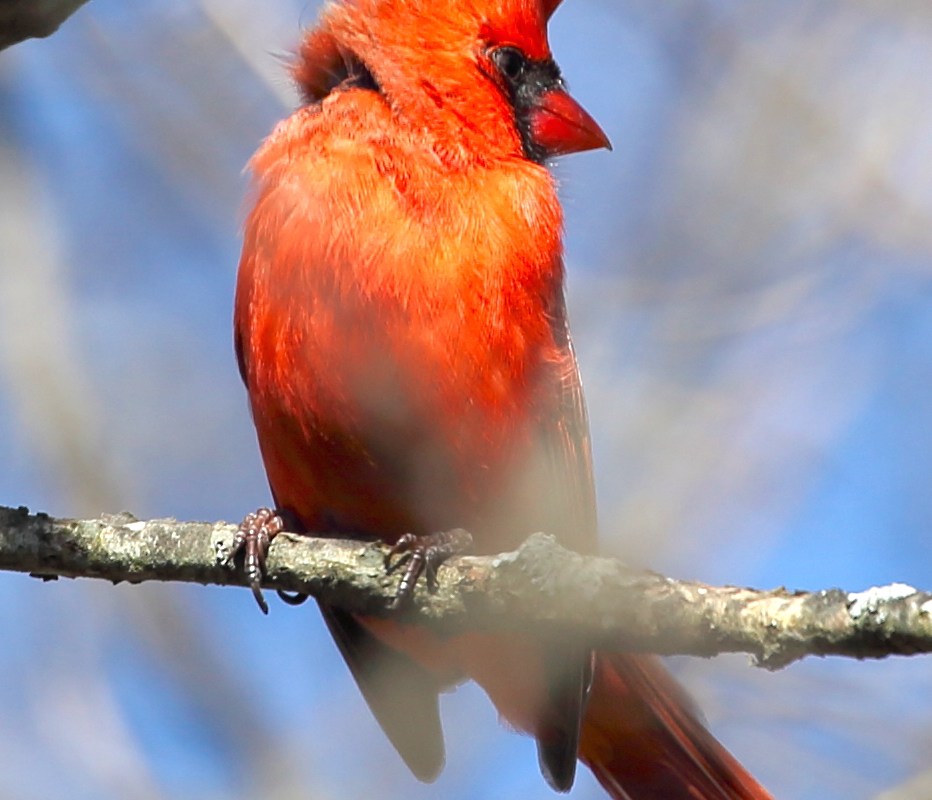
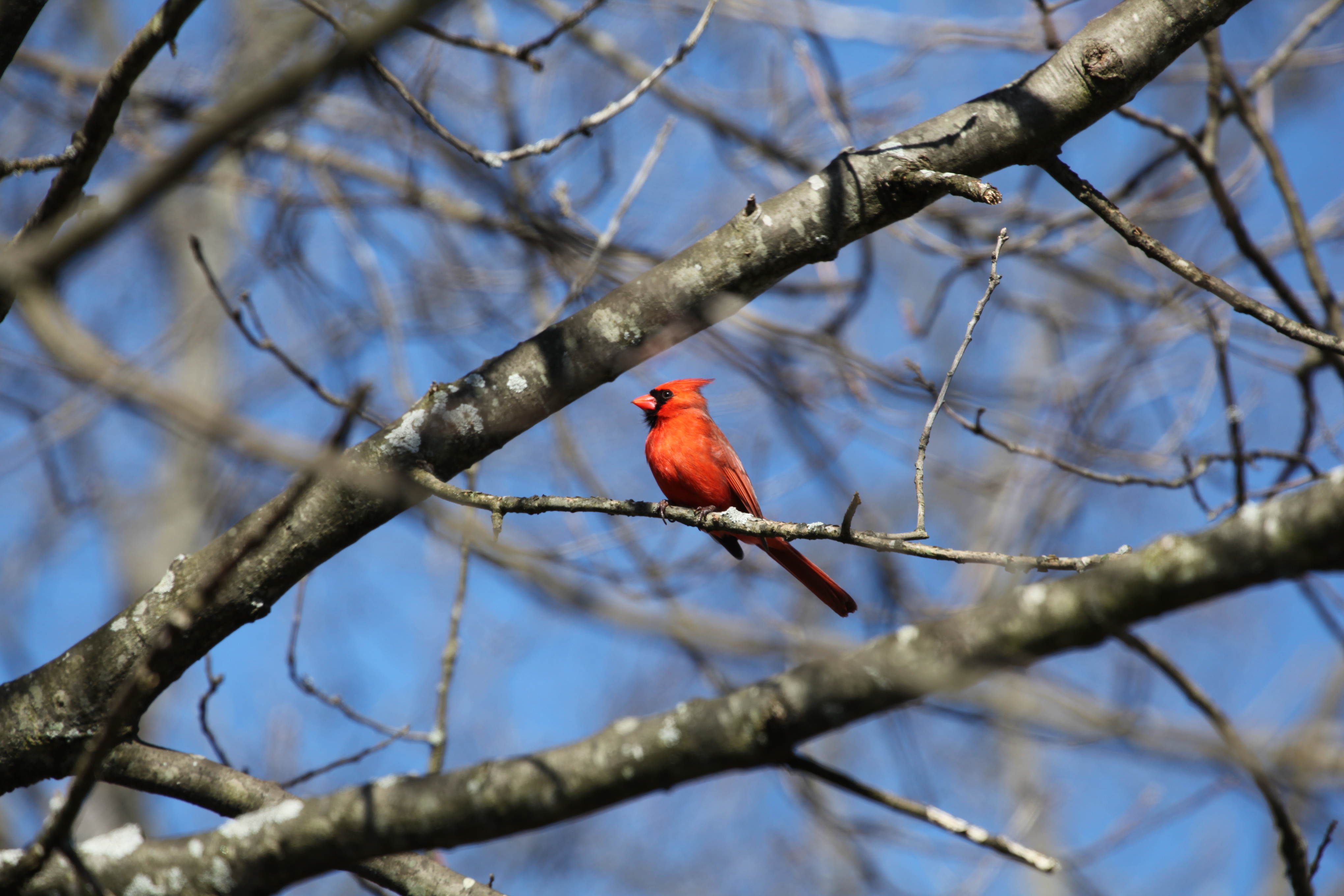
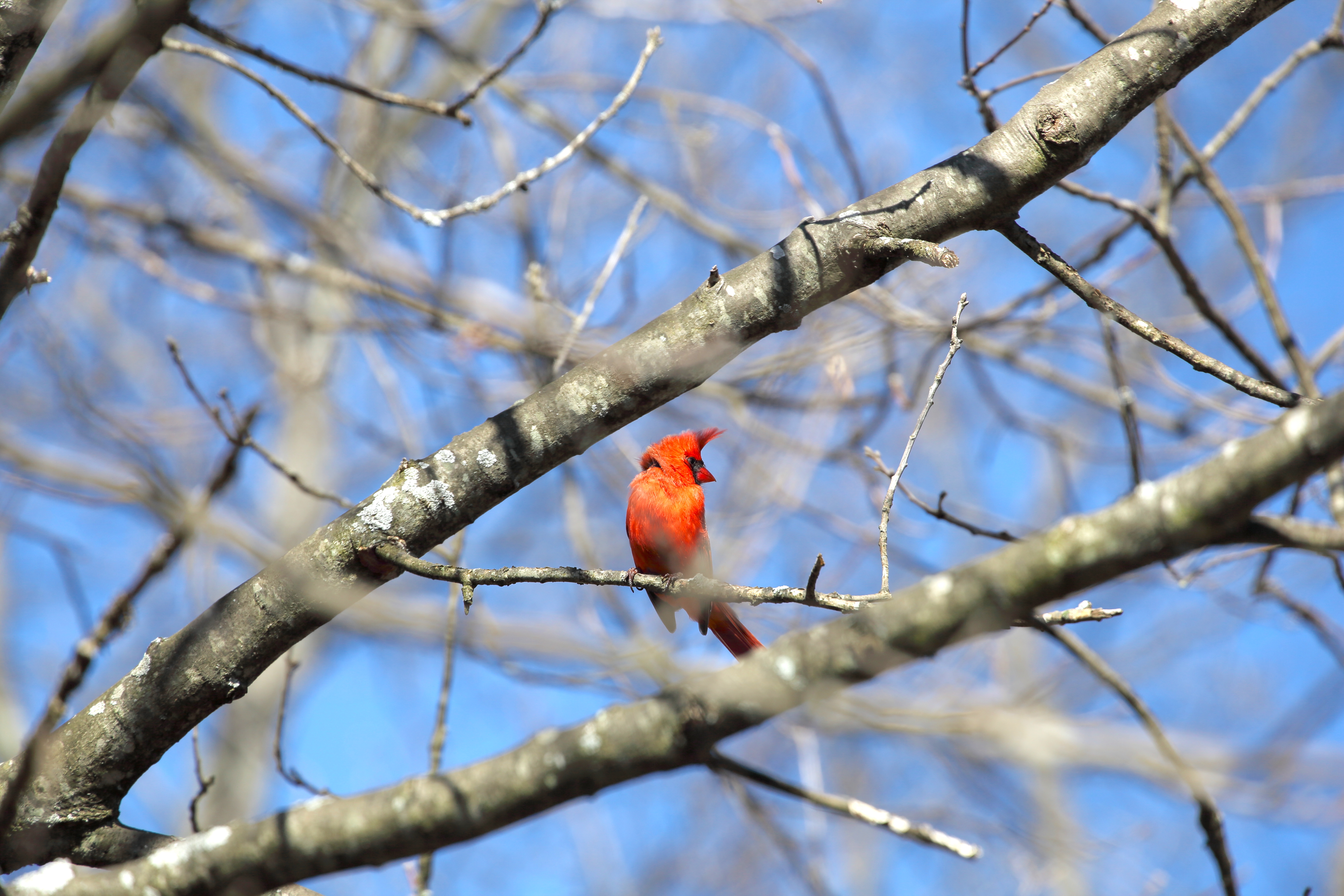
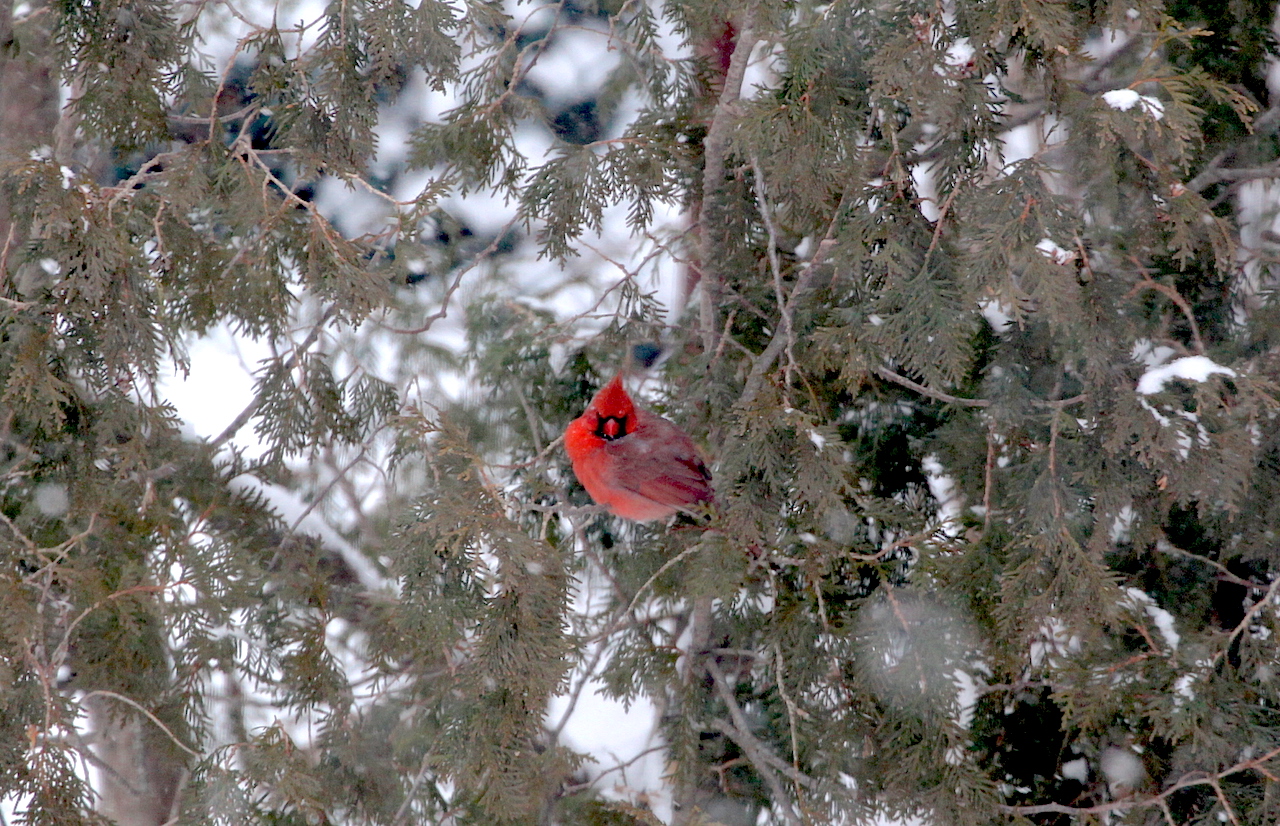
The Cardinal is a beautiful bird. Unlike the squawking Bluejay, which seems very skittish, moves quickly and is difficult to film/photograph, the urban Cardinal seems rather interested in humans and isn’t easily frightened. The male is the most colorful of the bird. I believe the third photo, below, that I photographed, last winter, is a female. I captured these shots with a 70-300mm lens, handheld. Stabilization on this lens is amazing. Without it, I’d need a tripod and probably wouldn’t have go this shot.
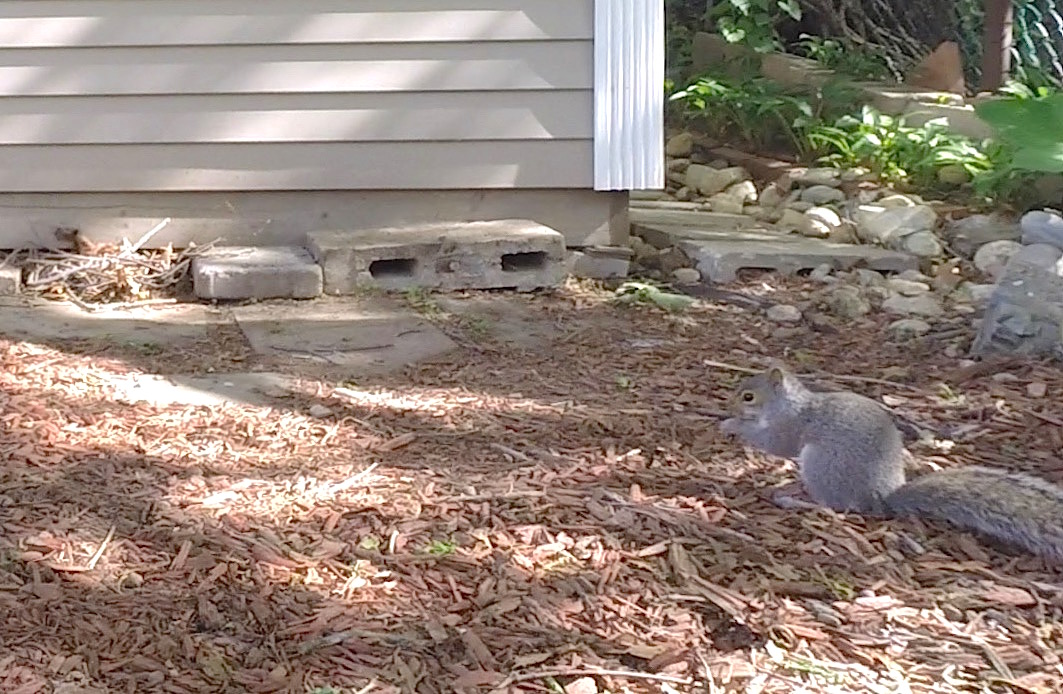
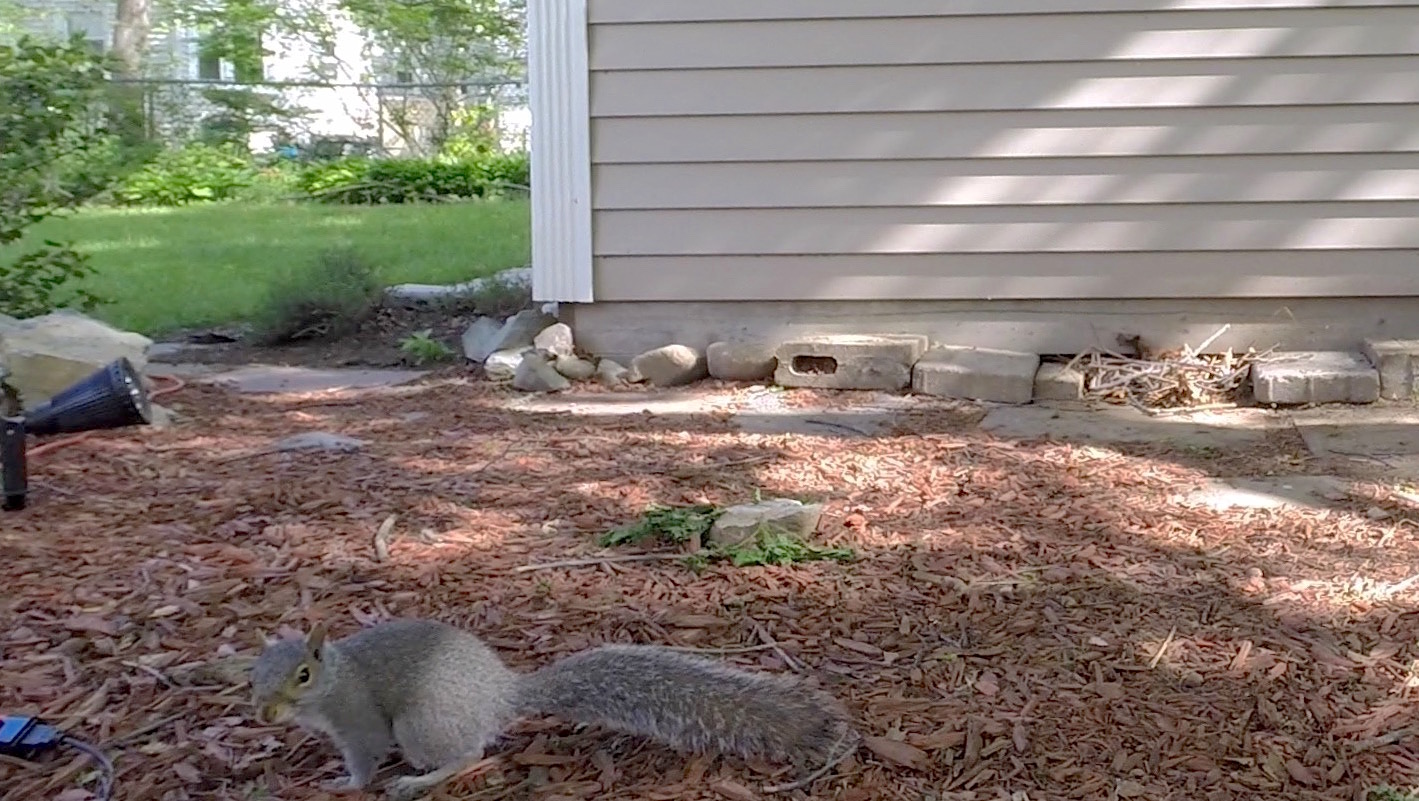
The Squirrel is prolific in this city. I’ve seen some of the most amazing, climbing, jumping and hi-wire acts from these daredevils. They have adapted to the city and seem rather disinterested in humans but they’ll run like hell if you come up on them, too quickly. Don’t let these guys into you house or structures. They can do some serious damage. I photographed these shots with the GoPro which is another amazing camera for candid capture.
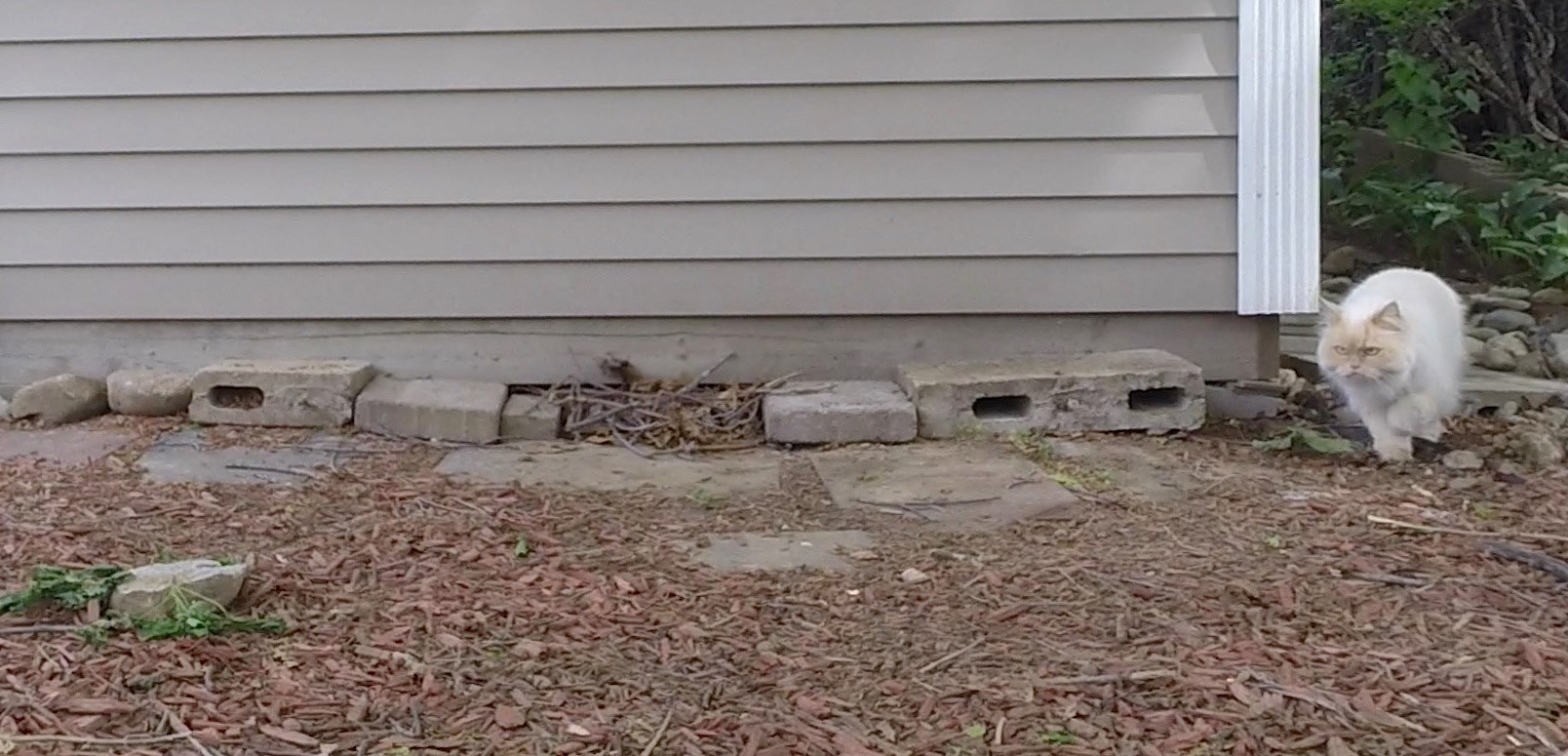
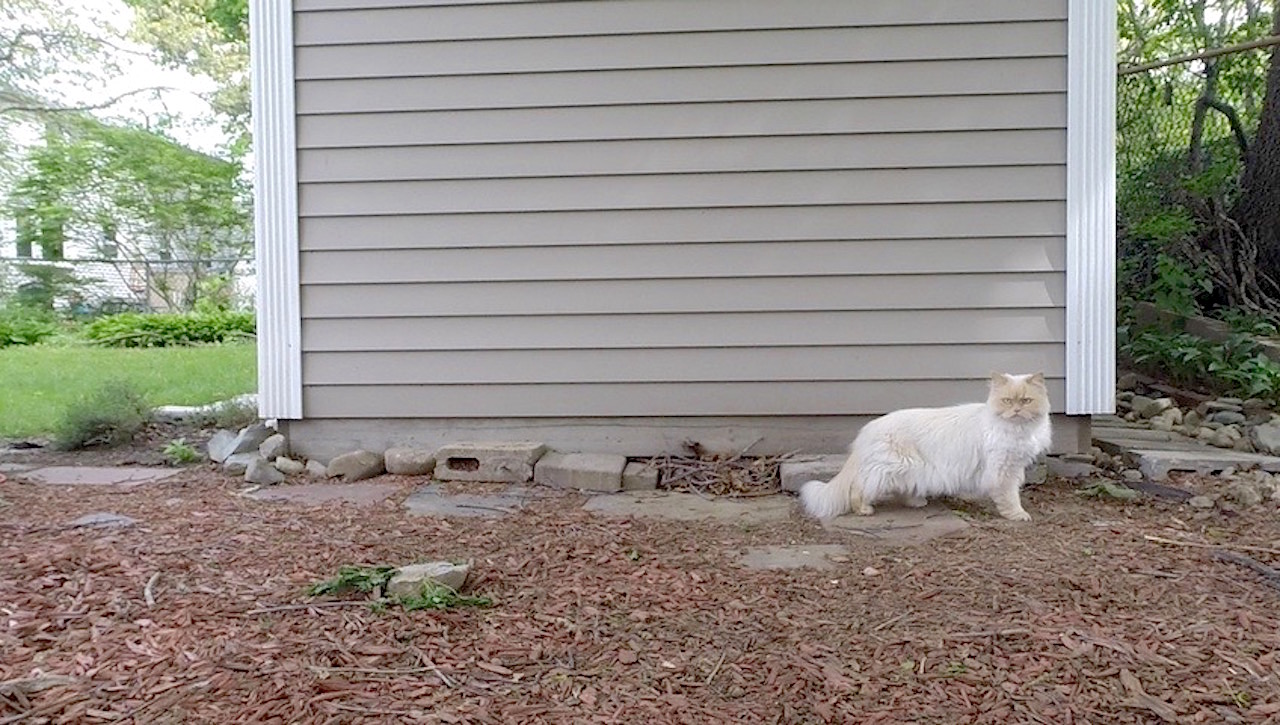
The Cat – I don’t own a cat but there are plenty in the neighborhood. Here’s one on the hunt. Obviously, cats aren’t eating my garden. This, again, was shot with the GoPro.
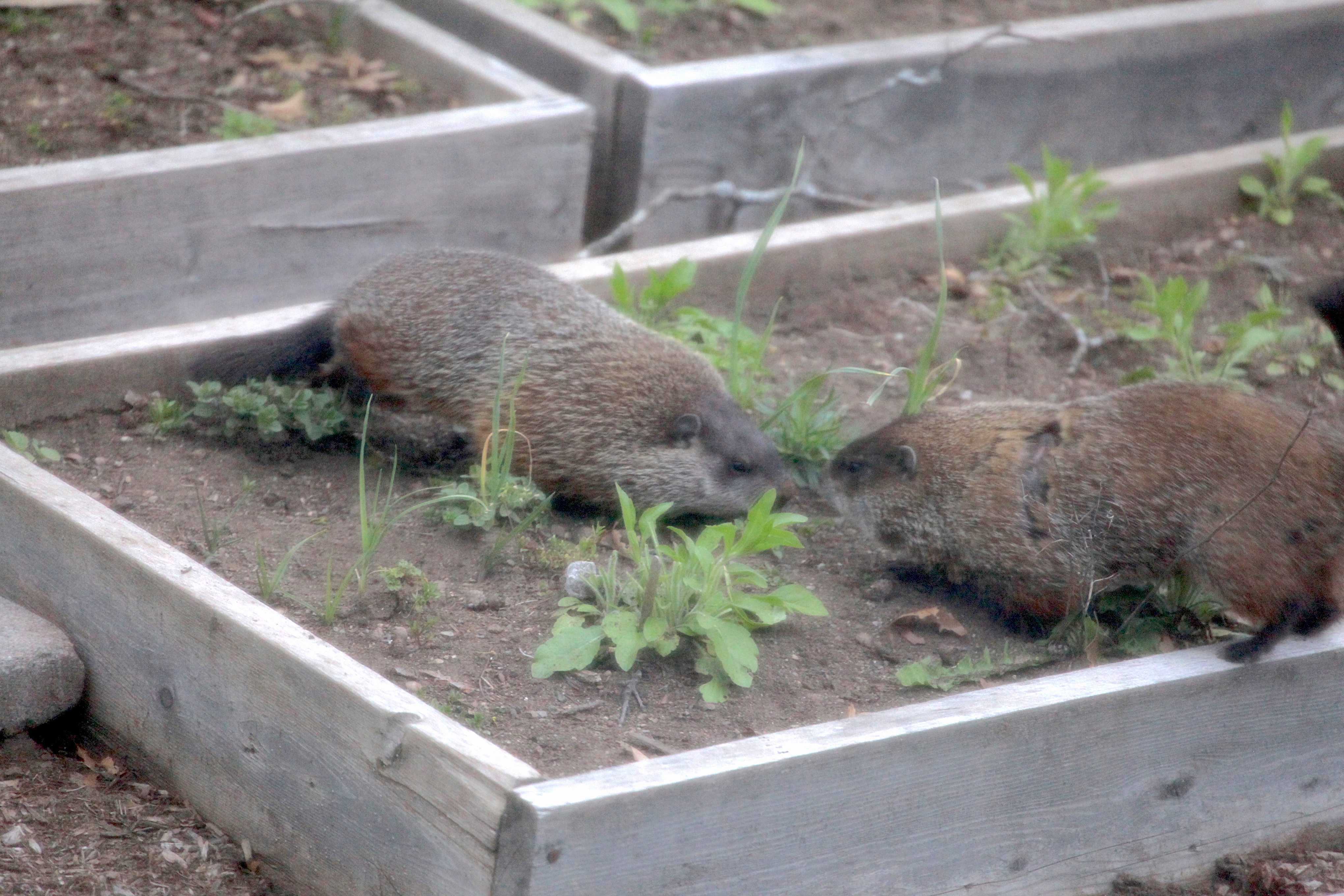
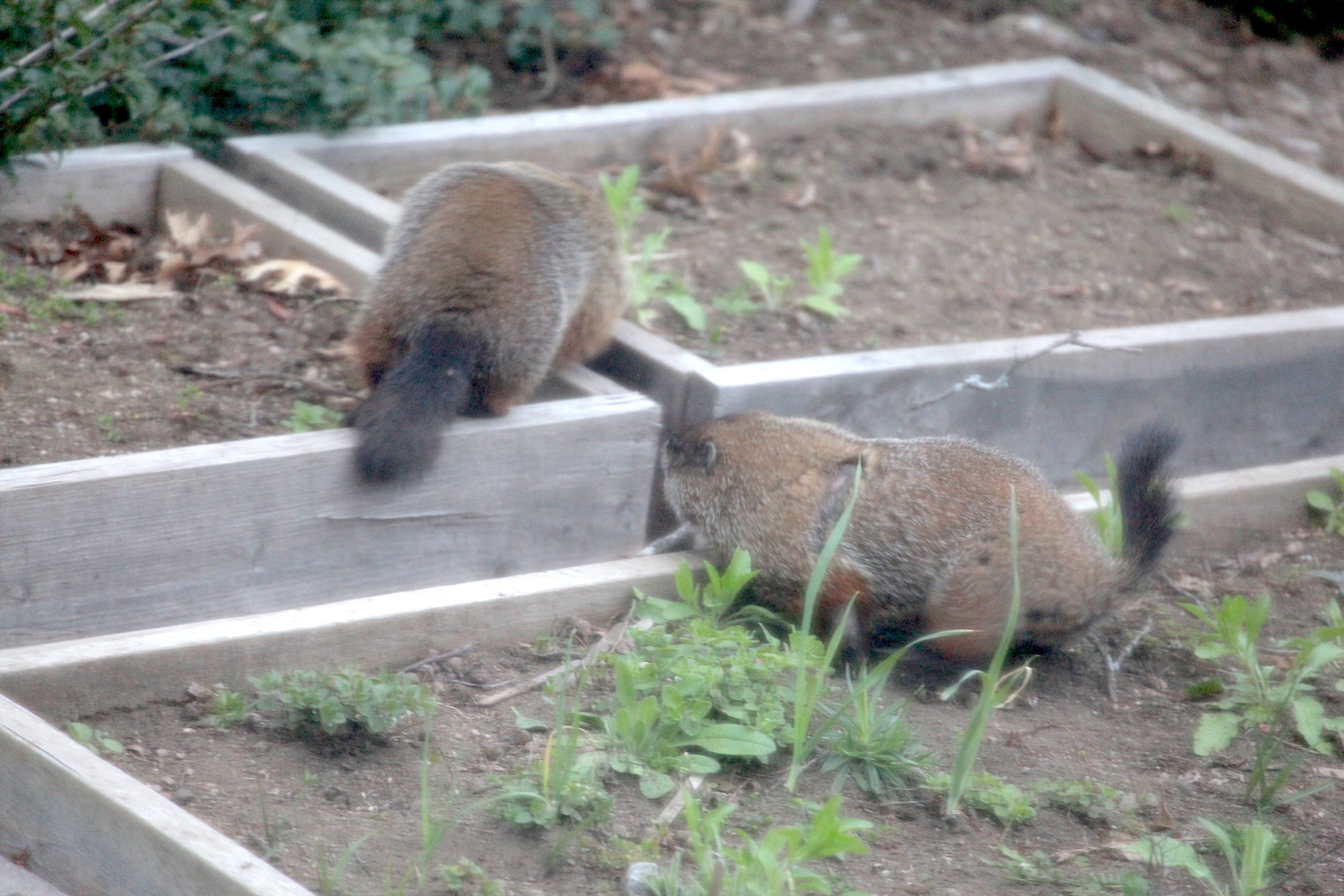
The Groundhog – Wow, I wasn’t expecting to see a groundhog, in the open, in daylight, needless to say a pair. Groundhogs will hide when they hear, see, or smell an observer. Like the squirrel, groundhogs can be very destructive if they build their burrow under a structure. I captured these shots with a 70-300mm lens, handheld.
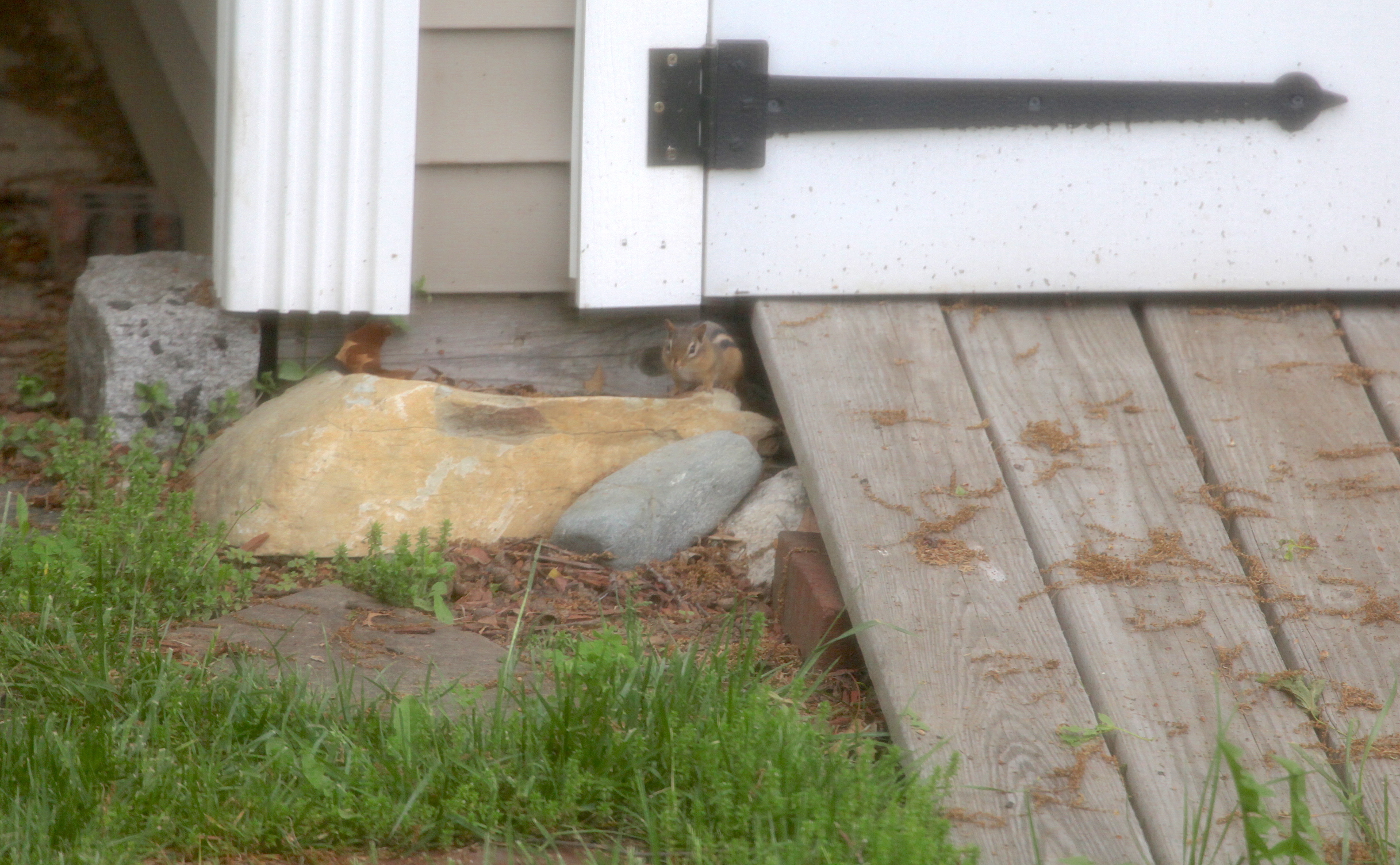
The Chipmunk – Lively and speedy, the chipmunk is the smallest of the squirrel family. When you see a blur speed through your yard towards the woodpile, it’s probably a chipmunk. It’s difficult to get a candid photo of the chipmunk but if your patient and lucky… I captured this shot with a 70-300mm lens, handheld.
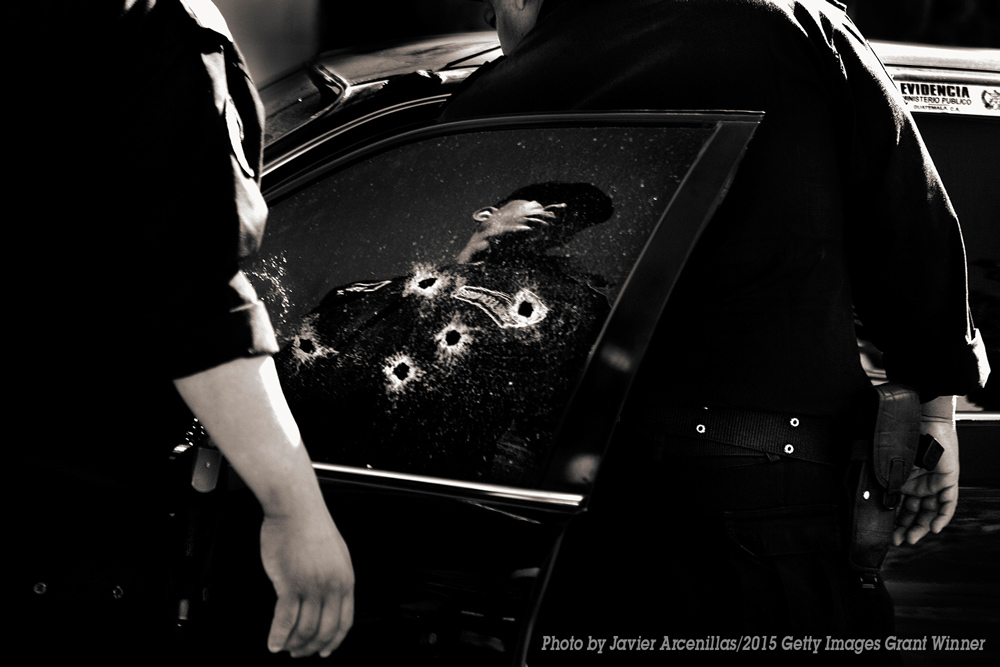
Apply now for the 2016 Getty Images Editorial Grants – Due May 18 📷: Javier Arcenillas, a 2015 Getty Images Grant winner, from his project “Latidoamerica.”
Getty Images will award $10,000 each to 5 documentary photographers with this year’s Editorial Grant contest. Photo: Javier Arcenillas

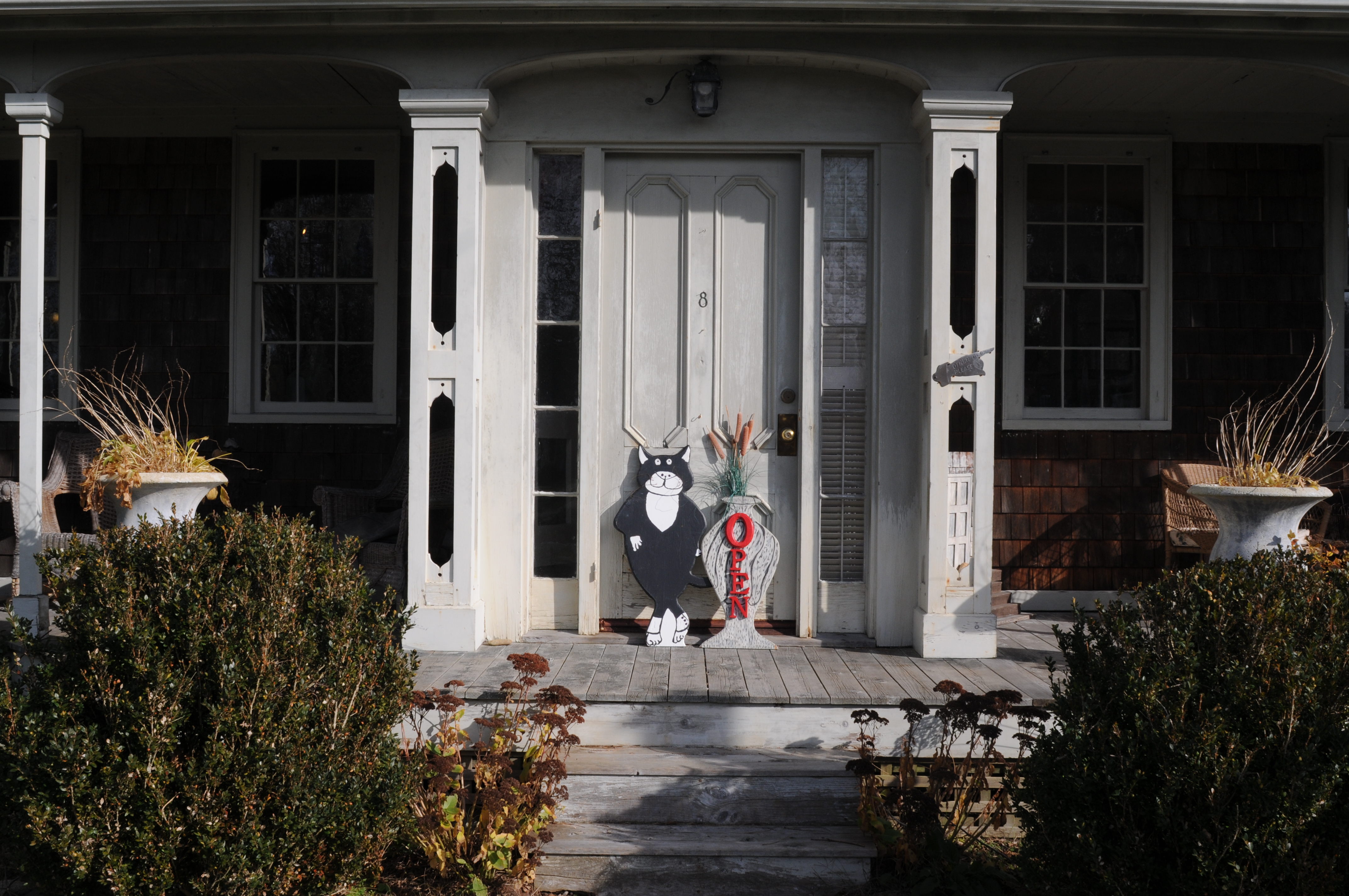
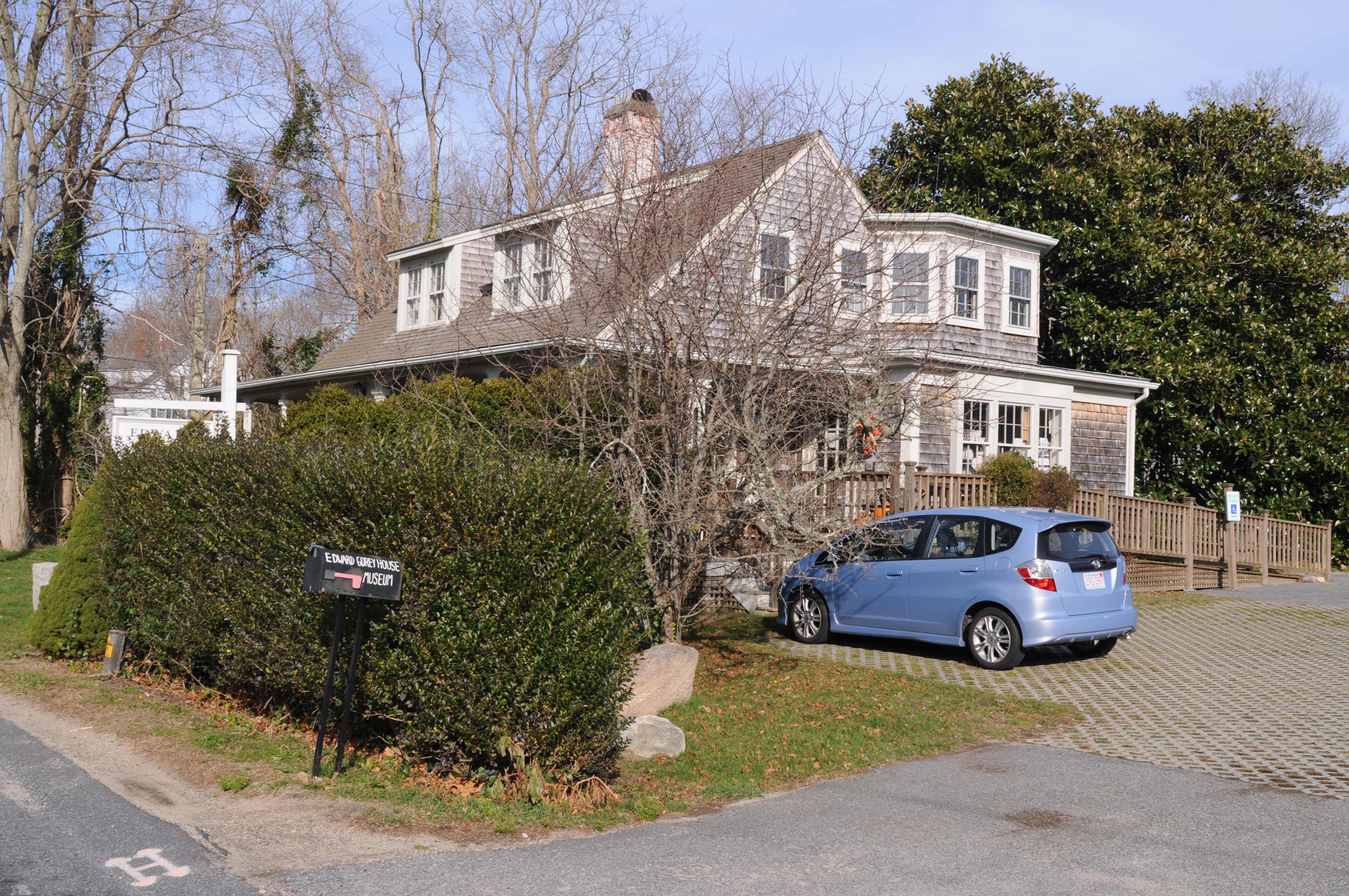
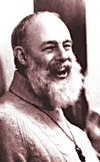 Author and artist EDWARD ST. JOHN GOREY (1925-2000) was a child prodigy, drawing pictures at the age of two, and teaching himself to read by the age of three. Excelling at school, he skipped some early years, arriving at Chicago’s legendary Francis Parker School in the ninth grade. He emerged there as an exceptional student, contributing to many school events, exhibiting in the annual art shows, appearing in school publications and even in Chicago newspapers. Approaching graduation, he had the highest regional scores on college boards and received scholarships to Harvard and other academic institutions. After graduation from Francis Parker, with pending draft notices at the age of 17, Gorey enrolled for some art courses at the Art Institute of Chicago before entering the U.S. Army. He served during World War II from 1943 until after the end of the war—primarily at the Dugway Proving Grounds in Utah.
More about Edward Gorey: http://www.edwardgoreyhouse.org/biography
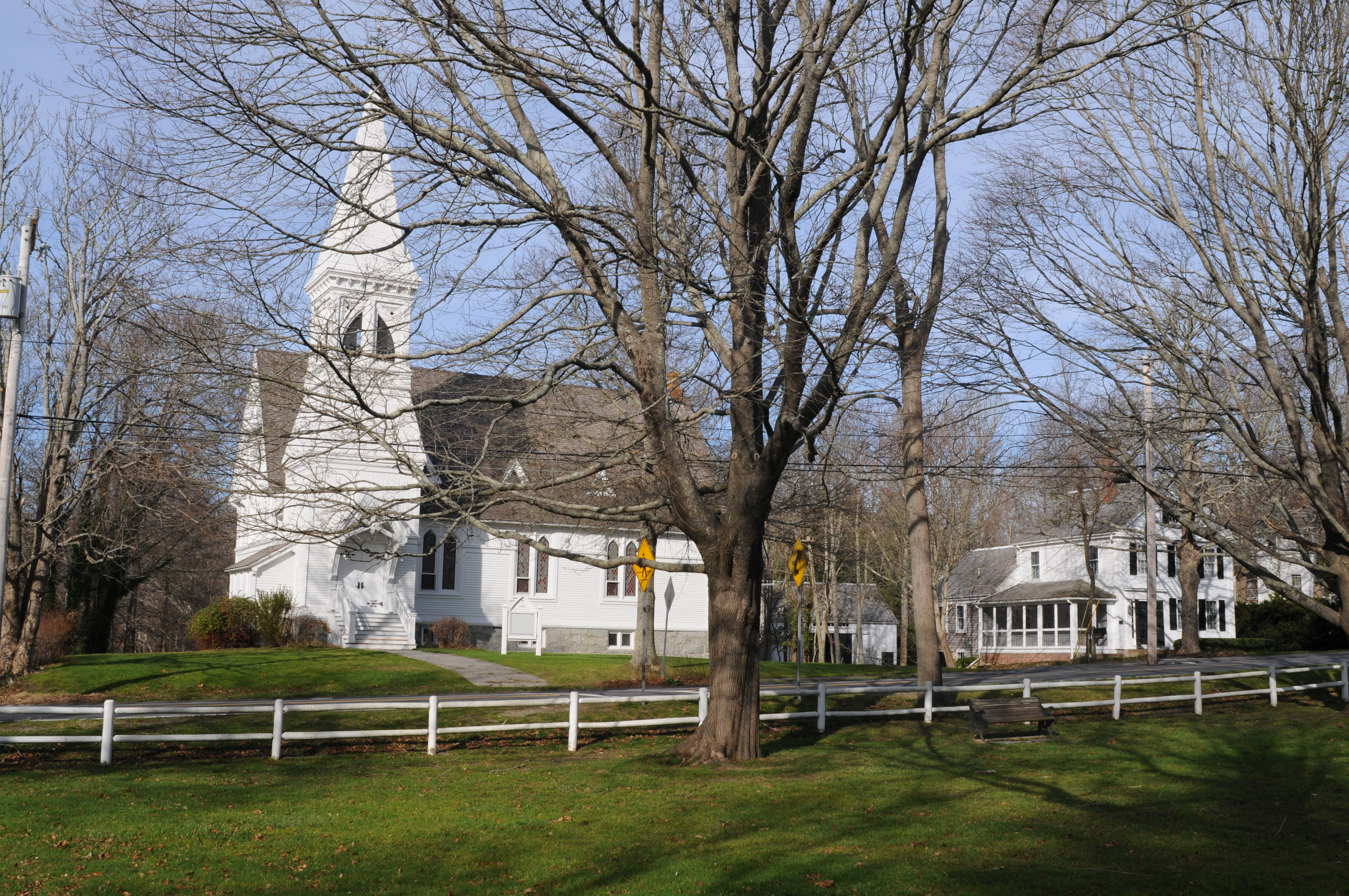
Here are some of my pics of the museum.
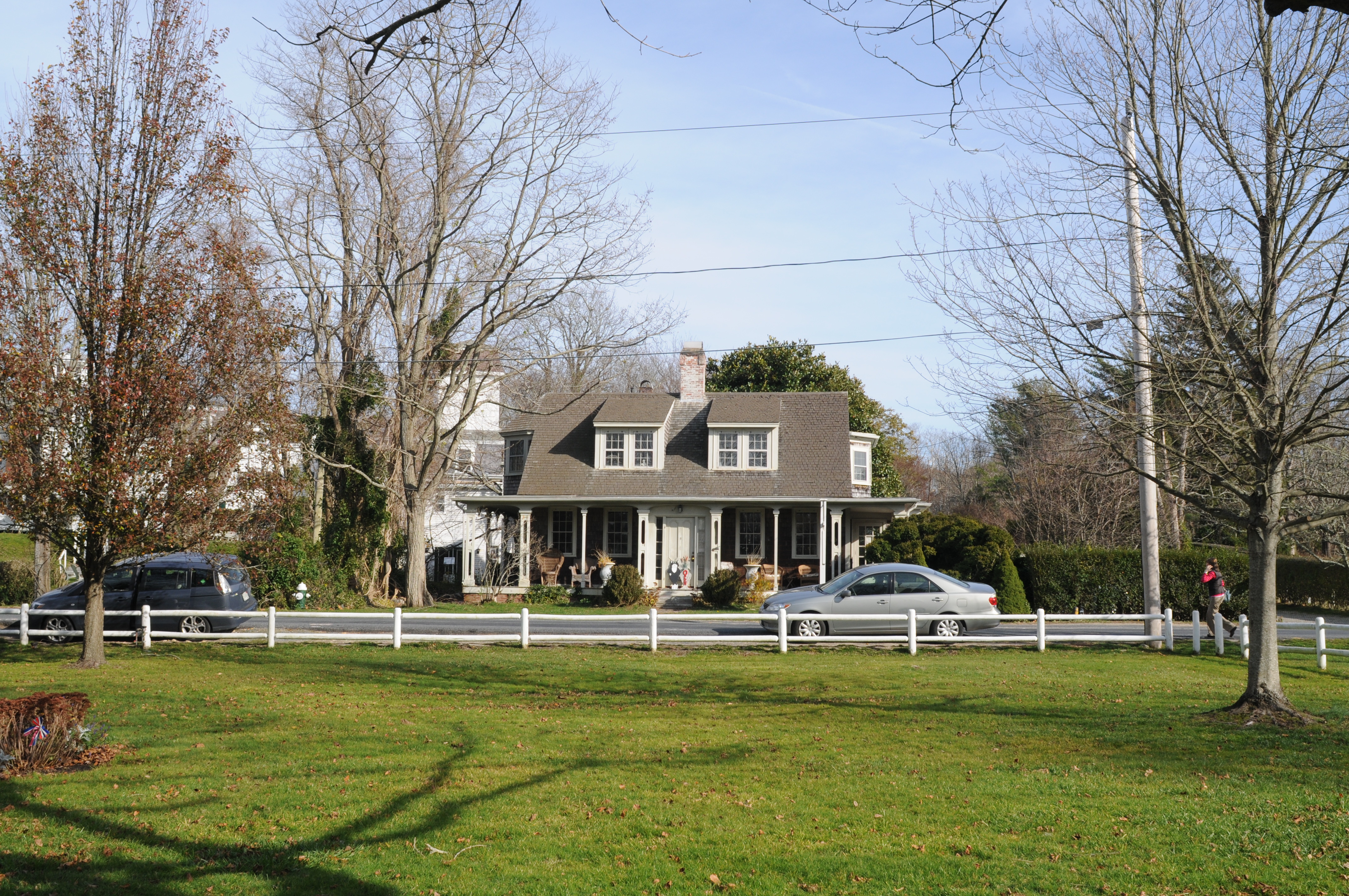
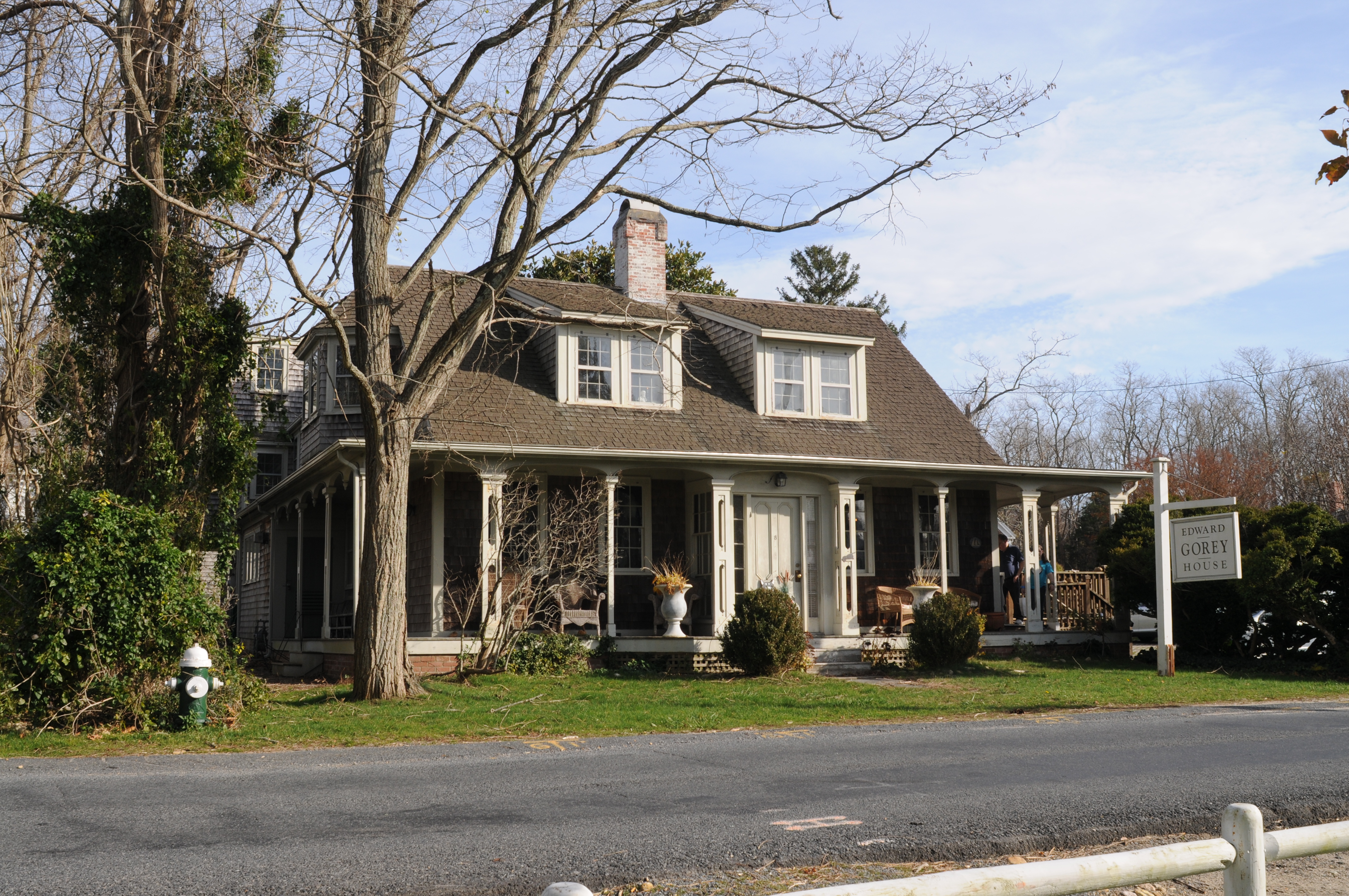
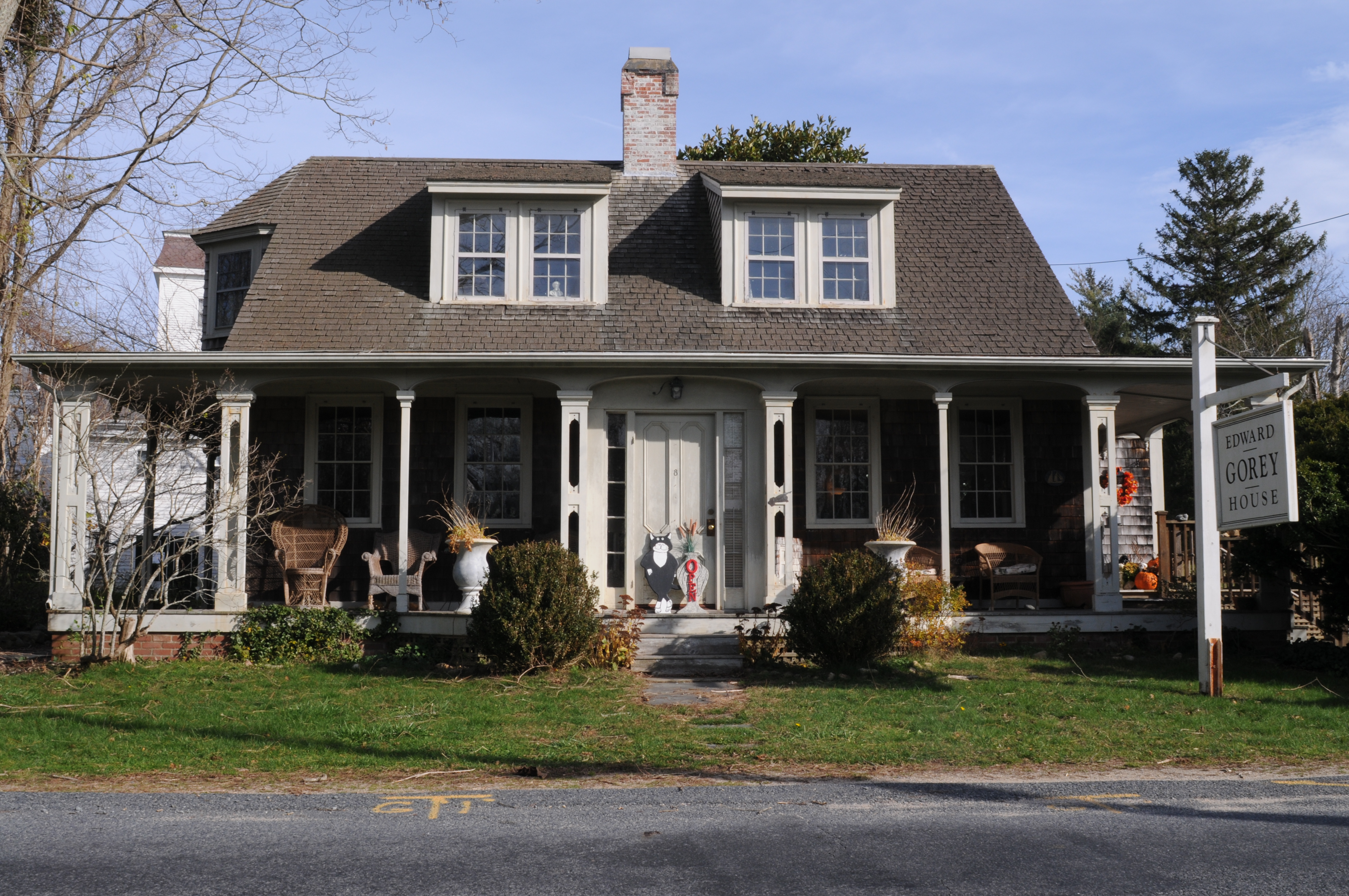
Click on photo below to view Elizabeth’s portfolio.
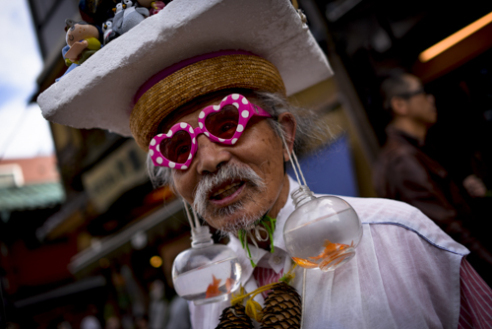
Photographer Elizabeth Char is the Edge of Humanity Magazine contributor of this street/portrait photography essay. To see Elizabeth’s portfolio click on any image.
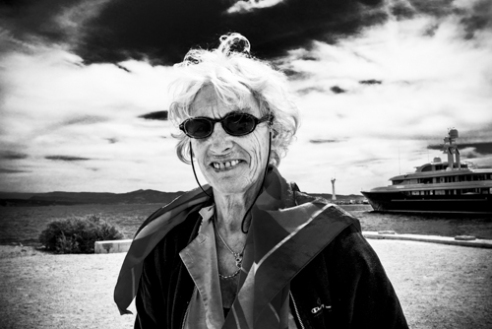 La Ciotat, France
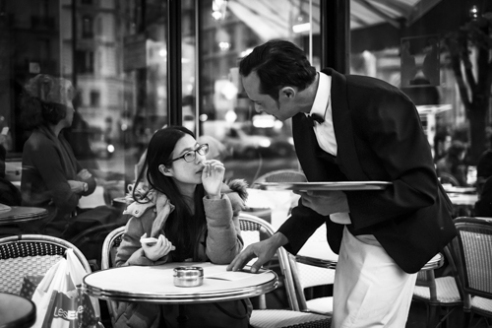 Les Deux Magots Brassierie
Paris, France
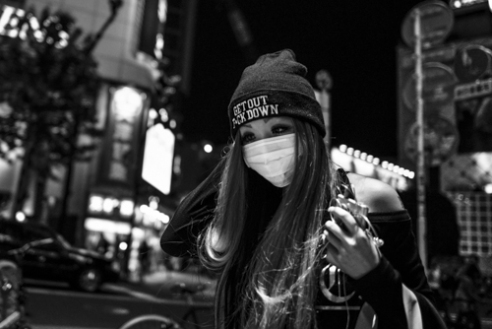 Tokyo, Japan
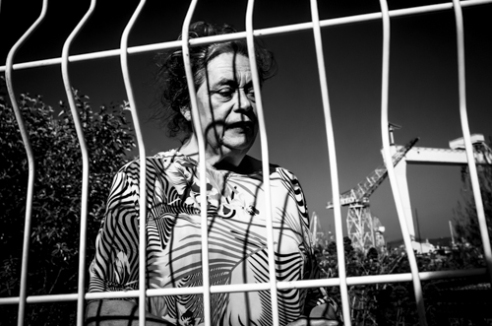 La Ciotat, France
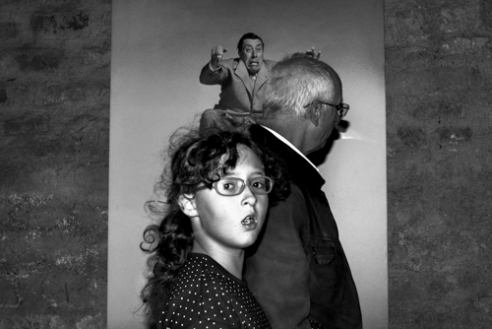 Paris, France
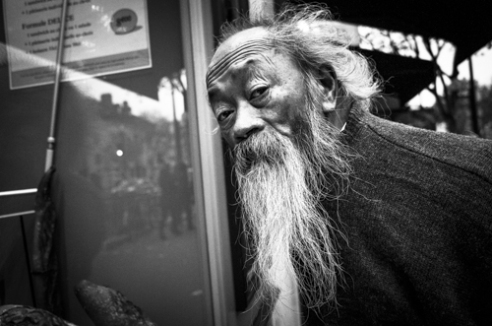 Paris, France
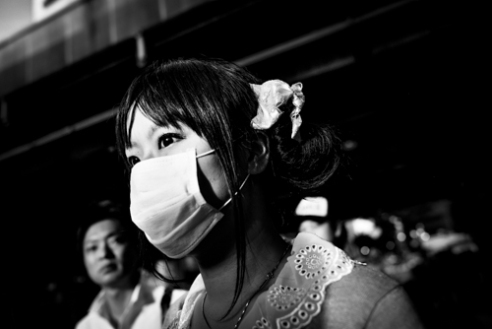 Tokyo, Japan
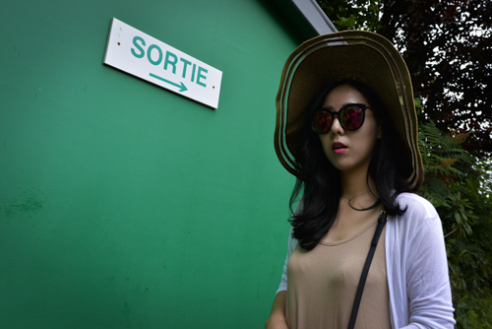 Paris, France
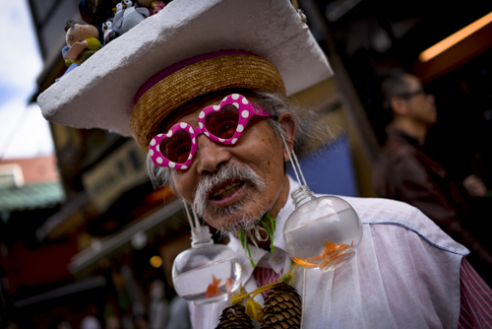 Tokyo, Japan
See also:
By Elizabeth Char
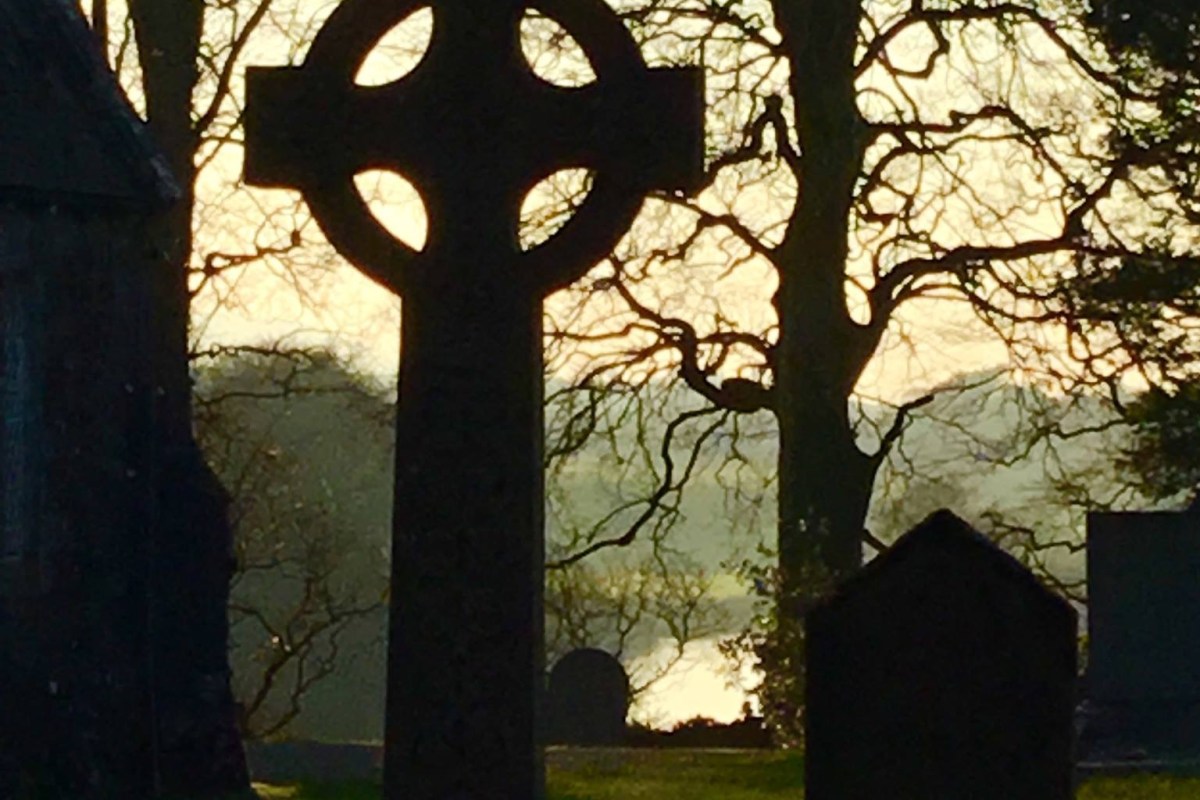
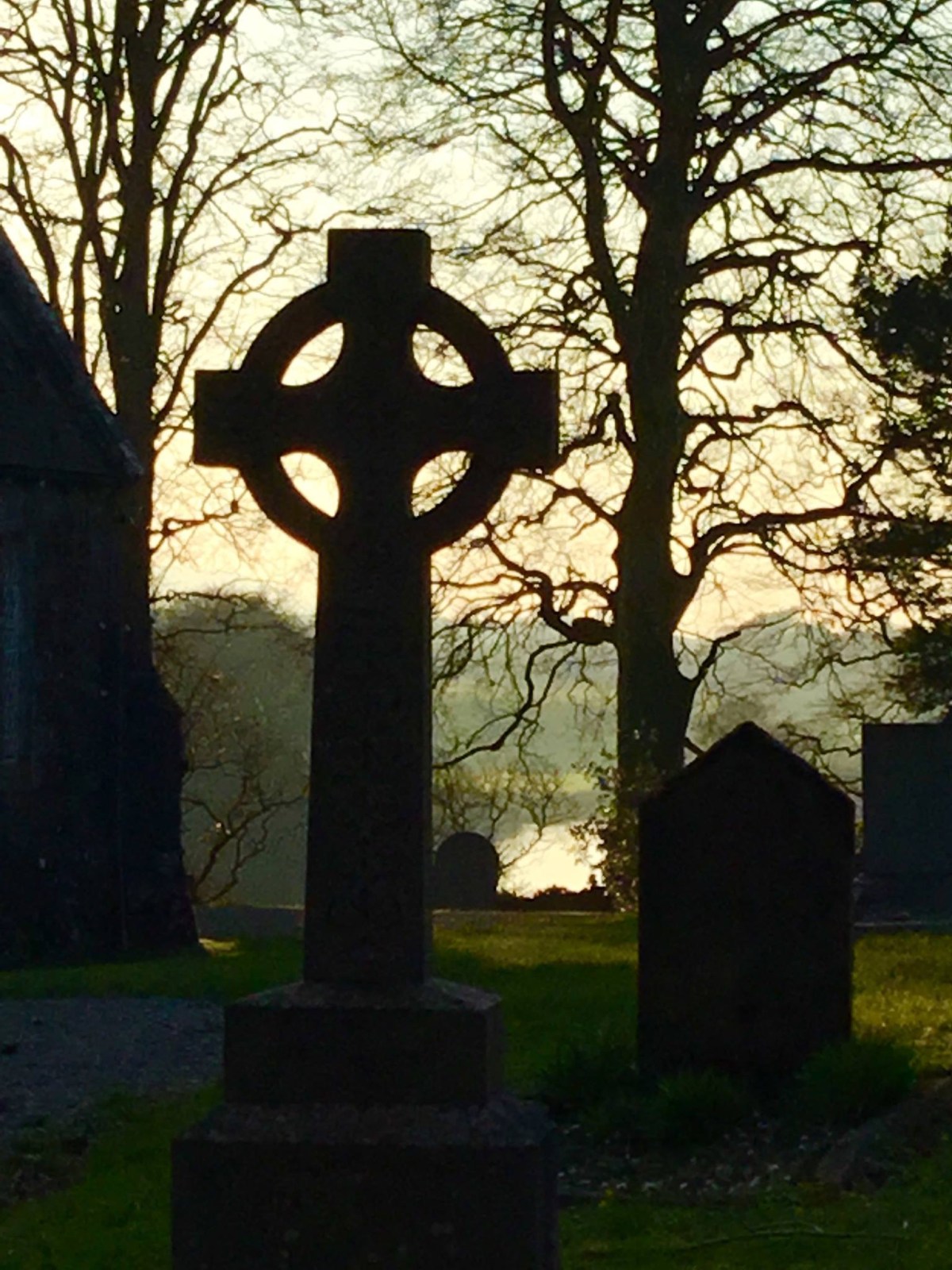
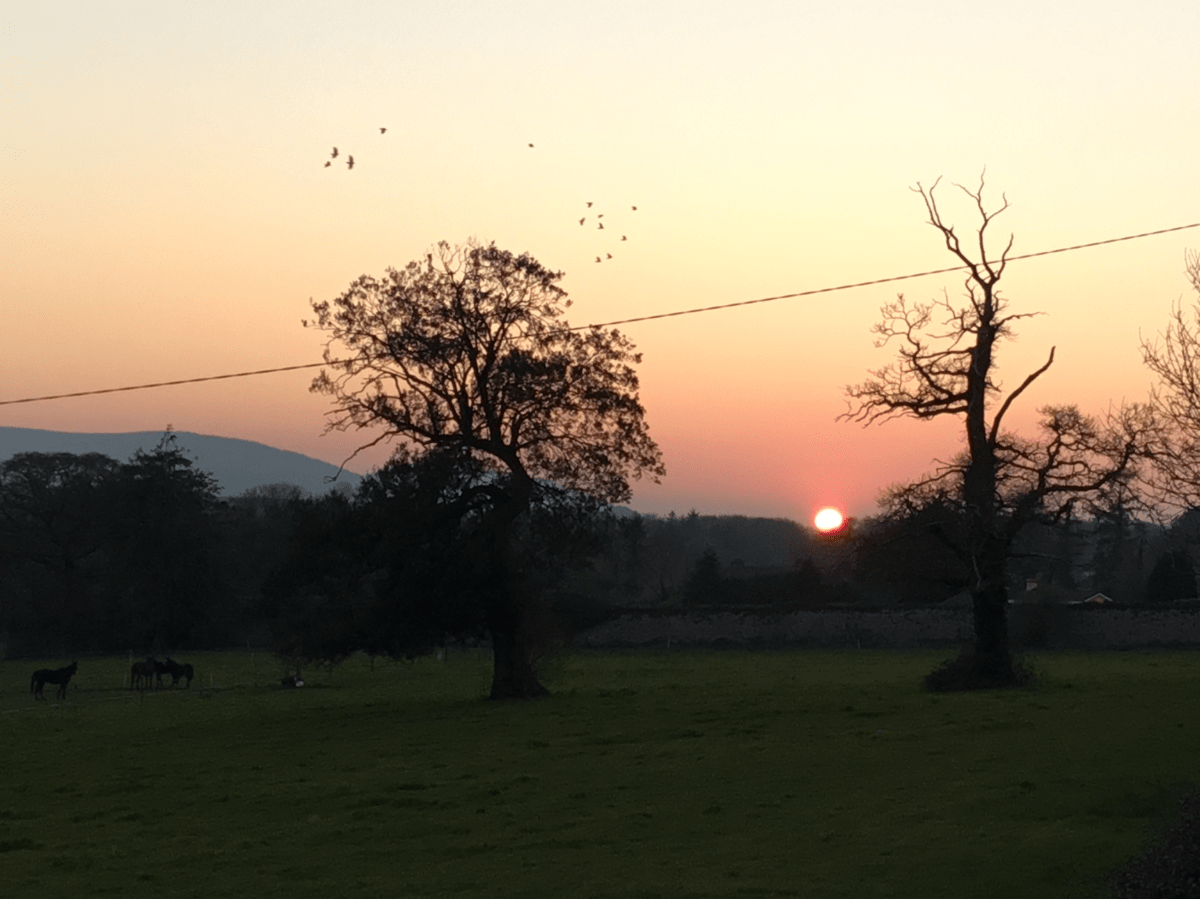
A couple of shots from Vinnie of the old country. ;-) If you get a chance to visit, you won’t be disappointed.
Thanks Vinnie
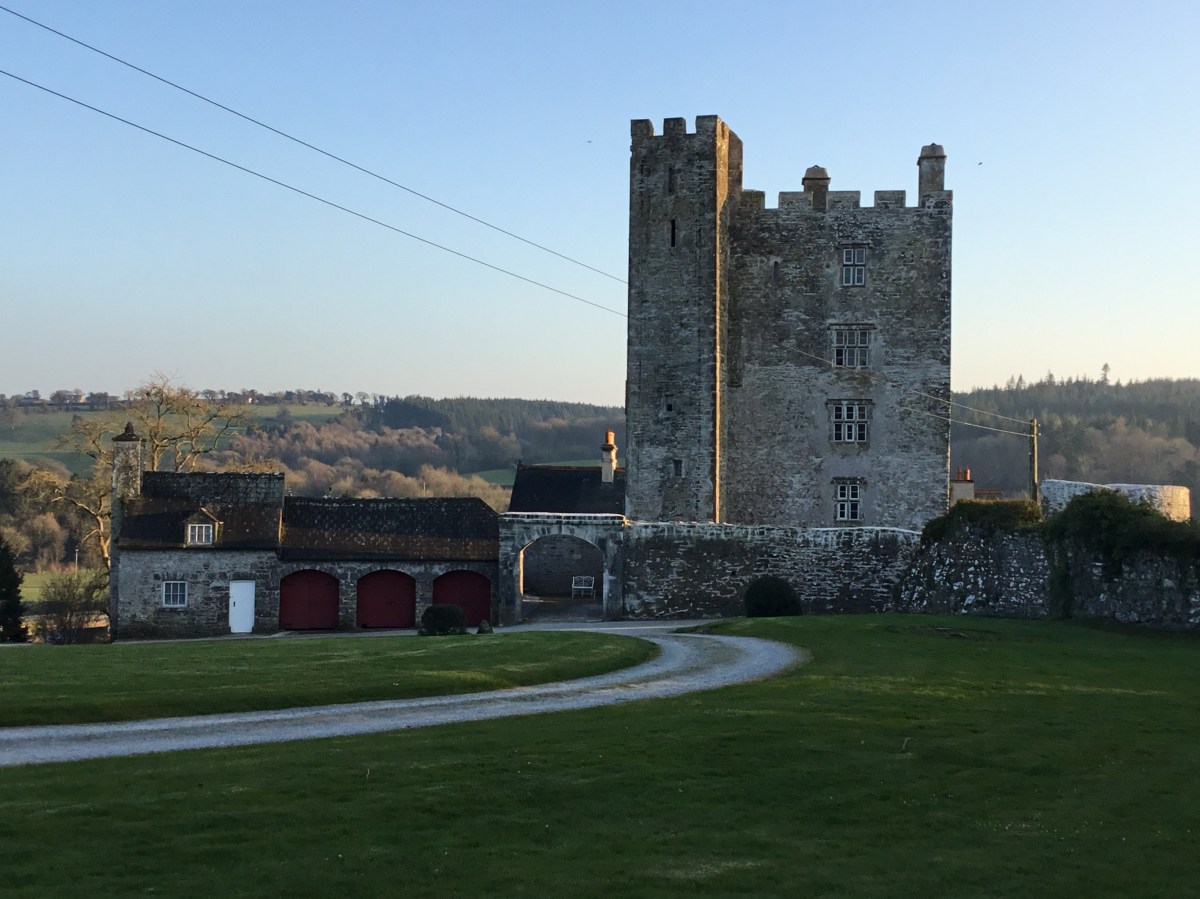
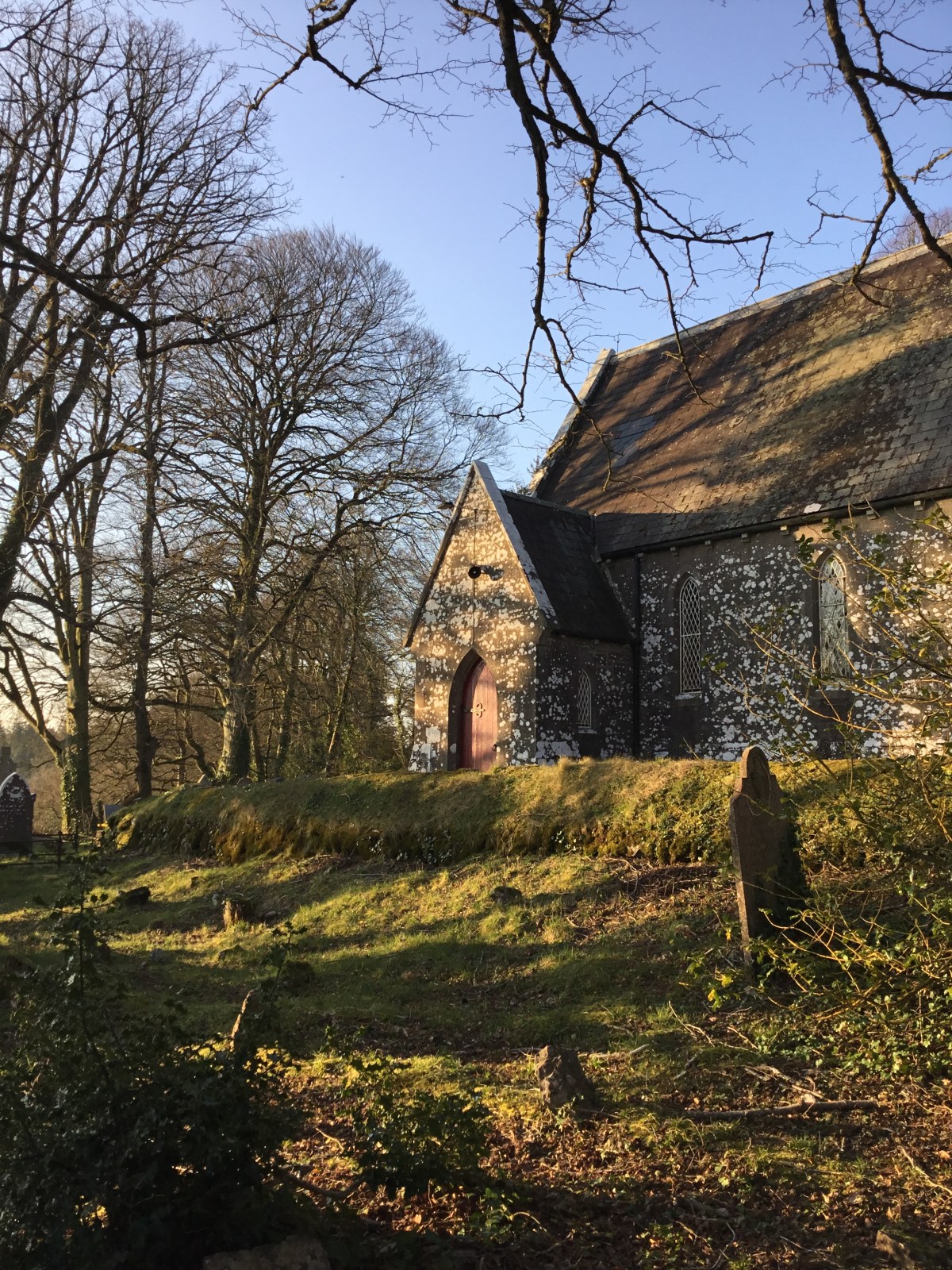
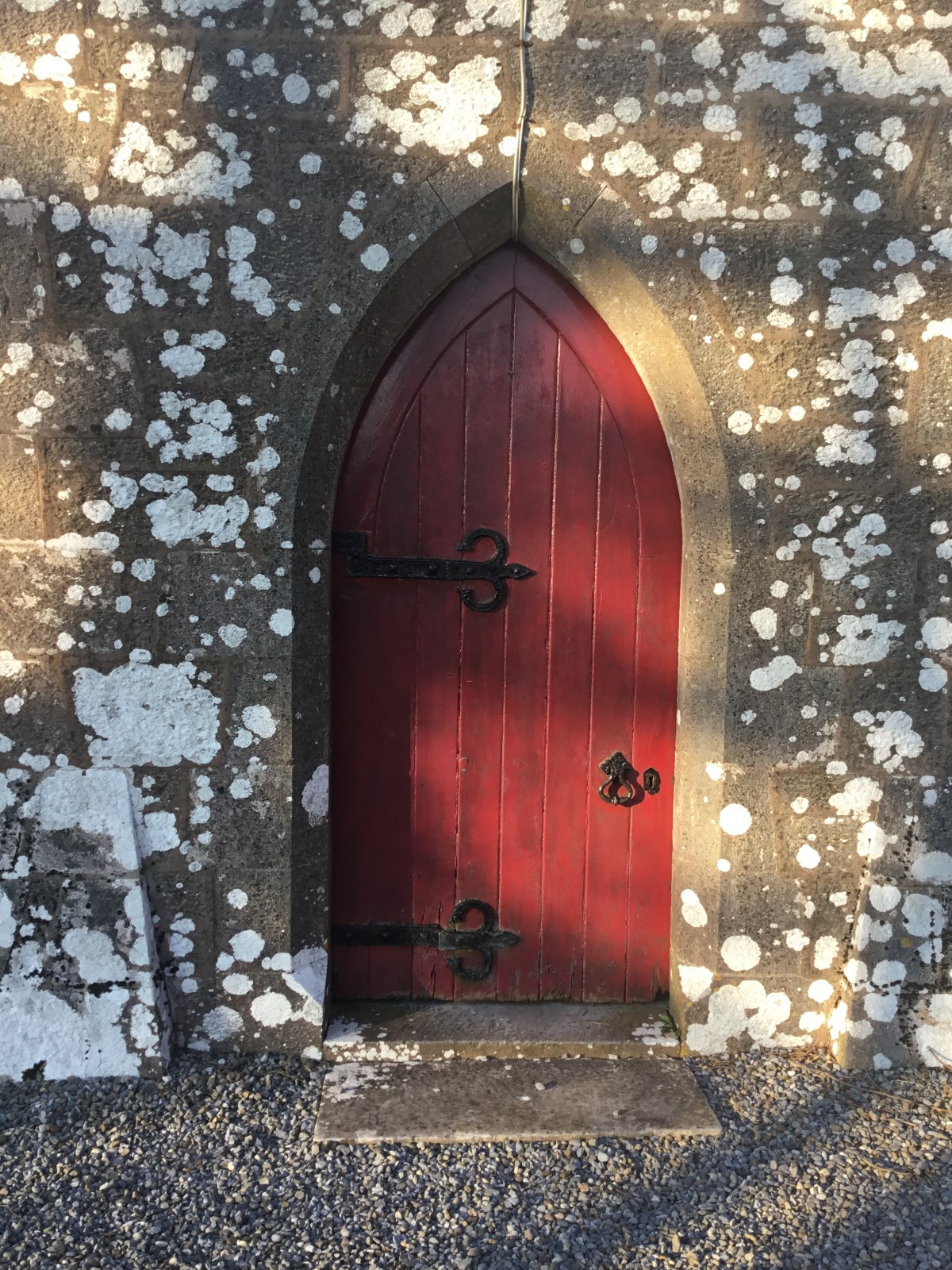
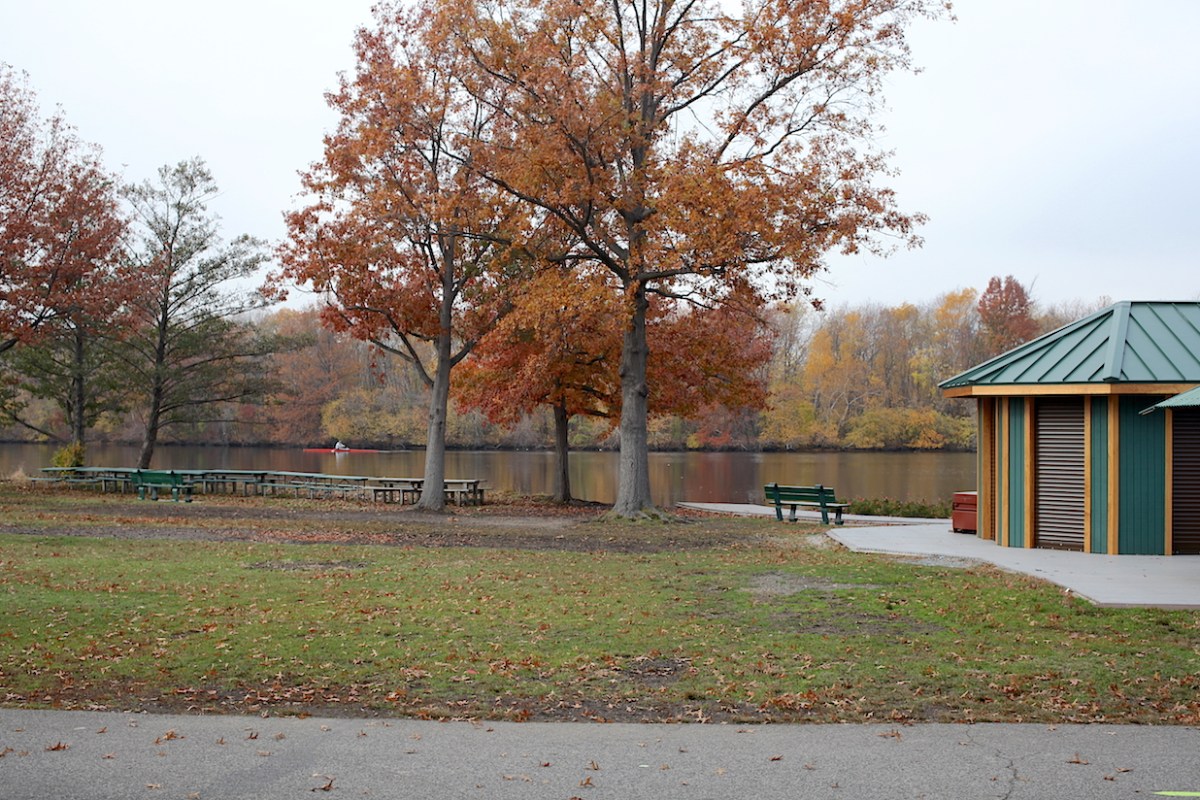
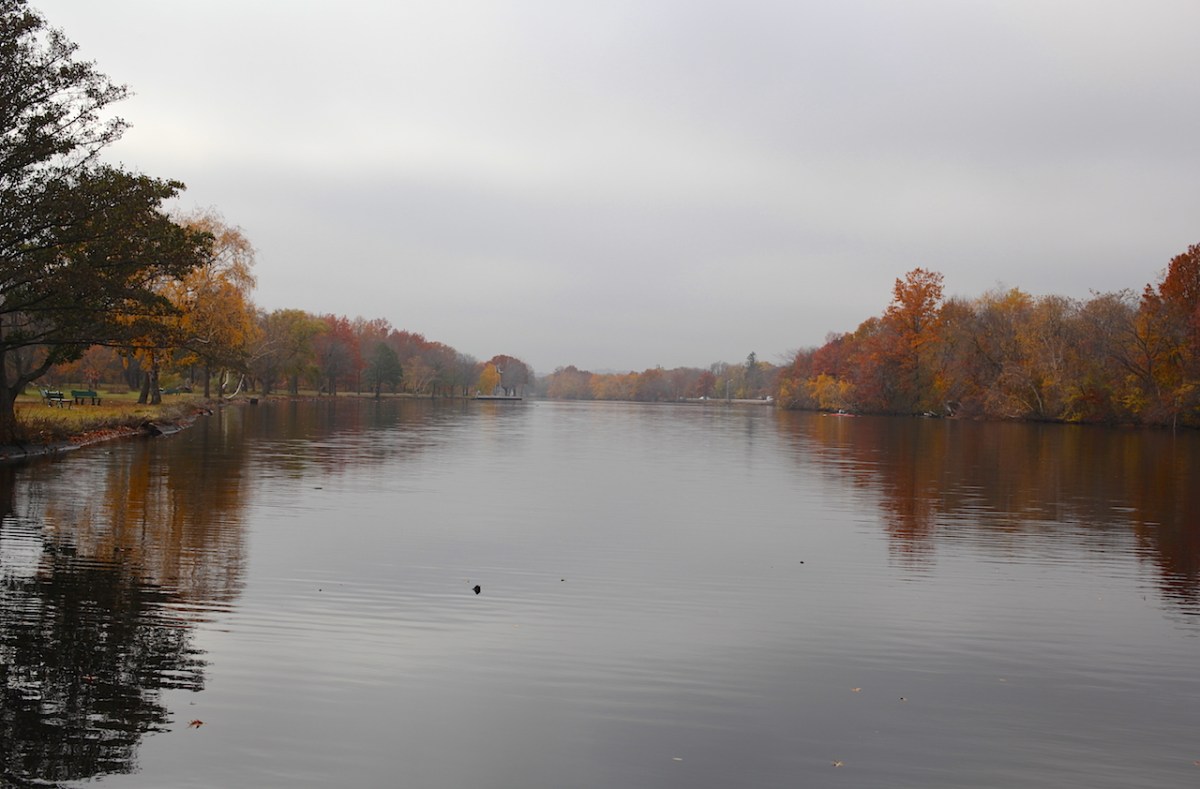
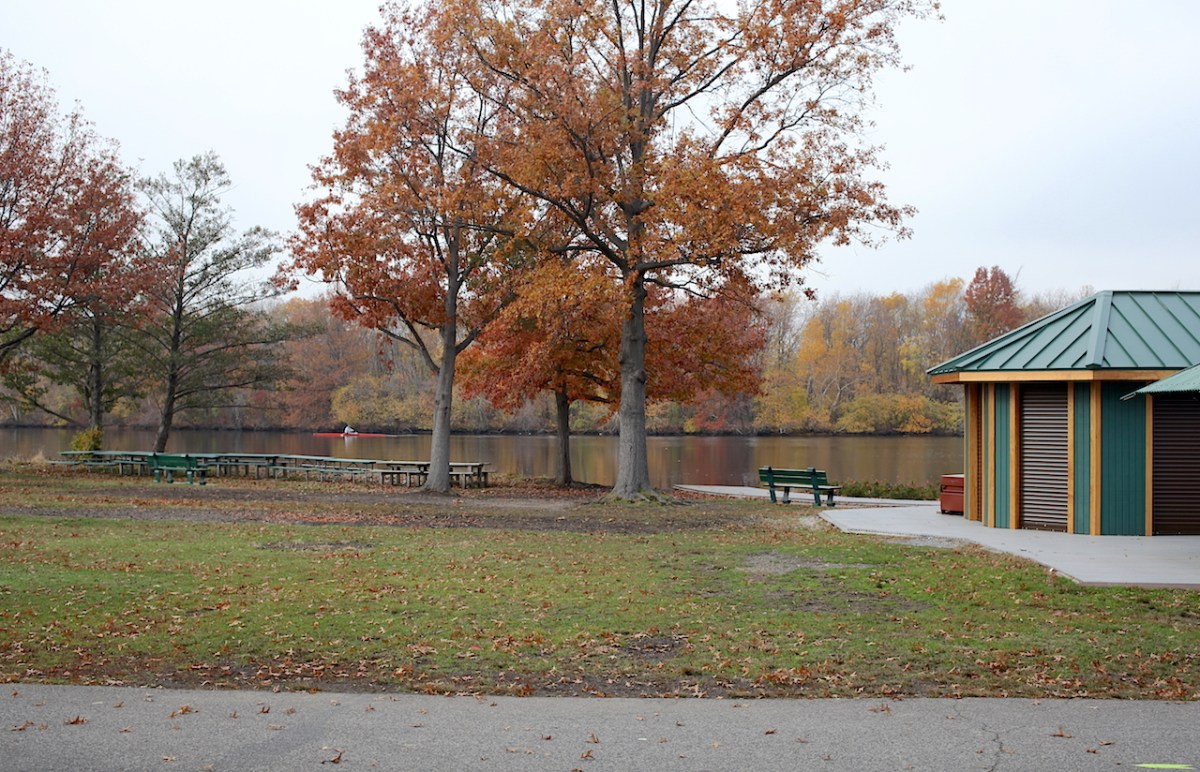
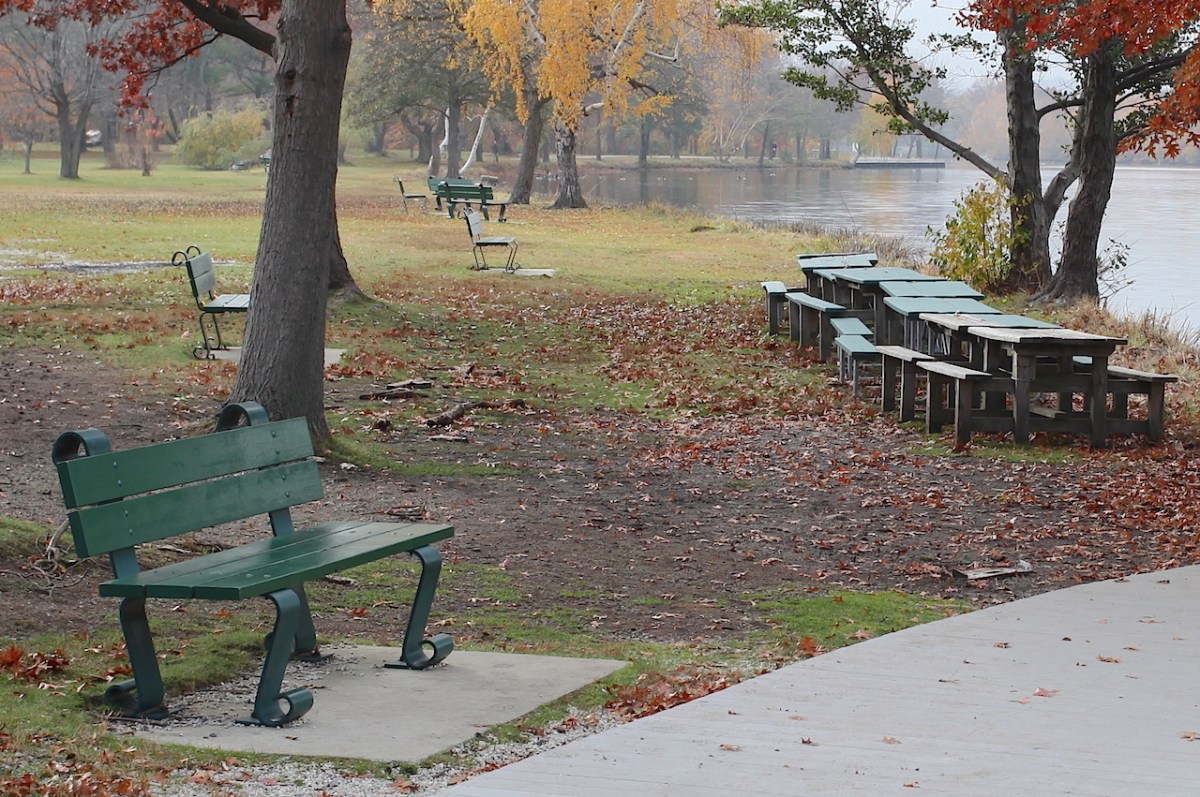
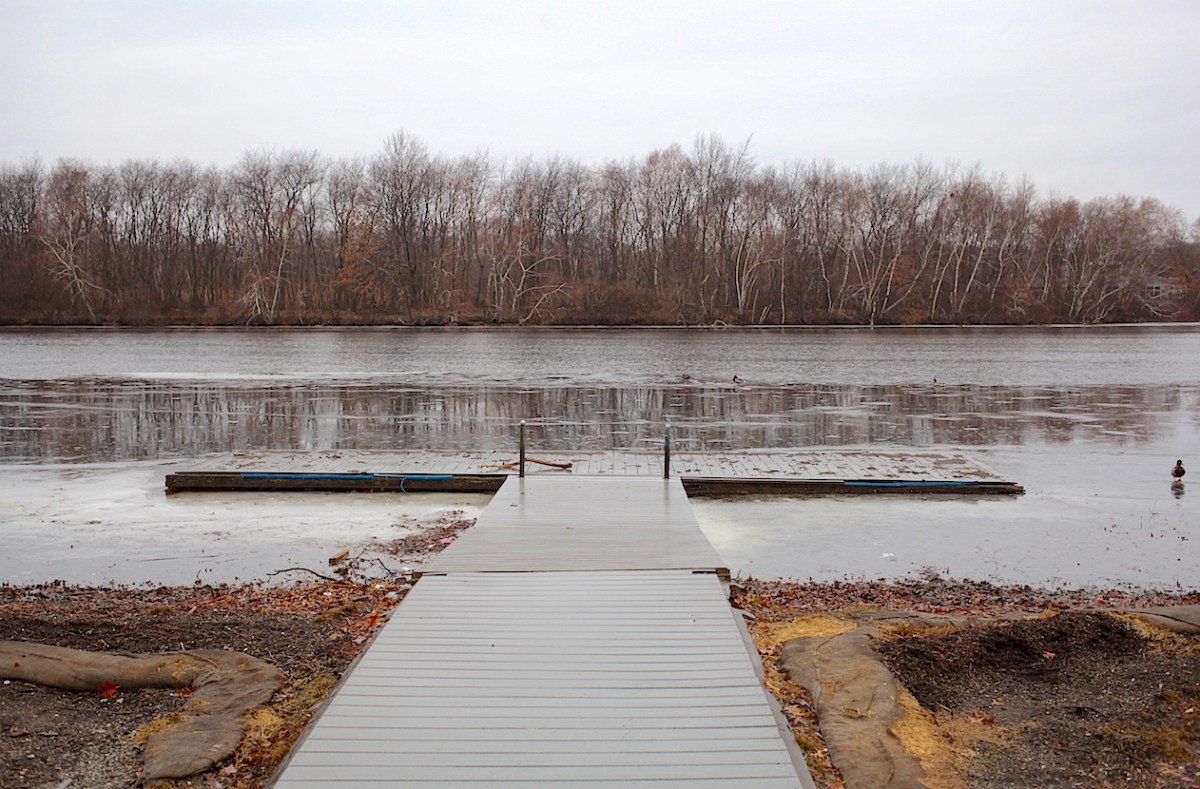
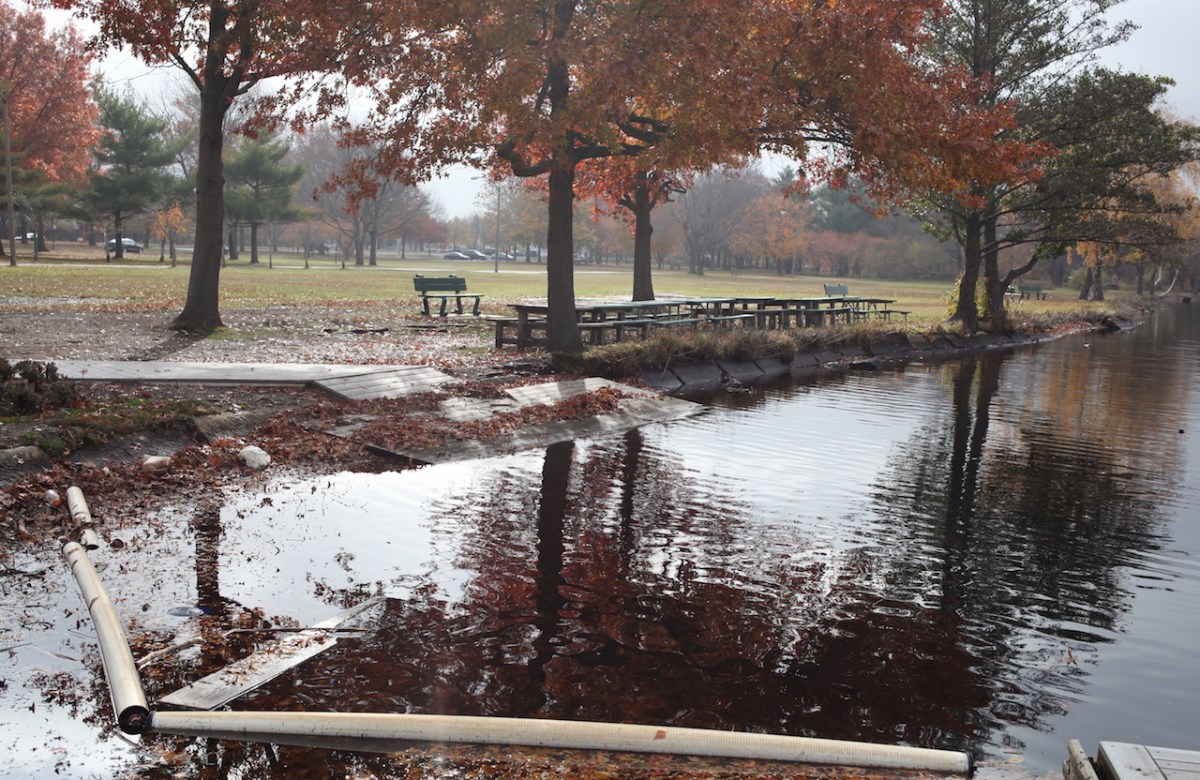
The Charles River provides many beautiful sites, for all kinds of pursuits, all along it’s 80 miles of banks. Here are some shots from the Cambridge area, not too far from Harvard Square.
These shots were taken with a Canon 5D Mk II and Canon EF 40mm f/2.8 STM.


 realreality Productions let's get real ...